
Expert Care for Problematic Wisdom Teeth
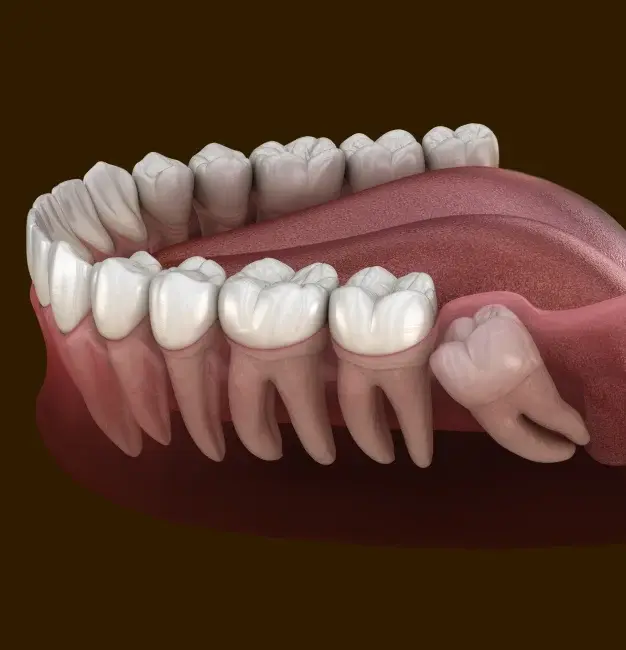
Wisdom teeth are the final set of molars to develop, and there may not always be enough room in the jaw for them to emerge properly. When a wisdom tooth becomes impacted, partially erupts, grows at an unusual angle, or repeatedly causes discomfort, removal may help prevent ongoing dental problems.
At Belmont Dentistry, wisdom tooth removal begins with a careful evaluation of the teeth, gums, and surrounding structures. Imaging can help assess the position of the wisdom teeth and identify concerns that may affect treatment planning. Based on the findings, the dental team can explain whether removal is recommended and what to expect from the procedure.
Why Wisdom Teeth May Need Removal
Because wisdom teeth develop later than other permanent teeth, they often have limited space available for proper eruption. Their position at the back of the mouth can also make brushing and flossing more difficult. Depending on how they develop, removal may help address existing problems or reduce the likelihood of future complications.
- Impacted teeth: A wisdom tooth may become stuck under the gum or within the jawbone rather than emerging normally.
- Limited room: Insufficient space can cause the tooth to erupt at an unusual angle or place pressure on neighboring molars.
- Repeated infections: Partially erupted teeth may leave spaces where bacteria and food can collect around the gum tissue.
- Hard-to-clean areas: Their location can make wisdom teeth more challenging to brush and floss effectively, increasing the possibility of decay.
- Pressure on adjacent teeth: An improperly positioned third molar may affect the tooth next to it or contribute to surrounding dental problems.
- Inflamed gums: Tissue around a partially erupted wisdom tooth can become irritated, swollen, or uncomfortable.
- Changes around the tooth: In certain cases, an impacted wisdom tooth may be associated with changes affecting the surrounding bone or tissue.
Recognizing Possible Wisdom Teeth Problems
Wisdom teeth problems may develop gradually, and some concerns can be identified during a dental exam or through imaging before symptoms become noticeable. Belmont Dentistry recommends an evaluation if you experience pressure or discomfort behind the back molars, swelling, redness, or bleeding around an erupting tooth. Other signs may include difficulty opening your mouth, persistent bad breath or an unpleasant taste, food collecting near the back teeth, discomfort while chewing, or recurring inflammation and infection.
What to Expect During Wisdom Teeth Removal
Wisdom teeth extraction depends on the tooth’s position, development, and eruption. Our team evaluates the tooth and surrounding structures to determine whether a simple extraction or surgical approach is appropriate, helping plan treatment based on your individual needs.

Examine the wisdom teeth: The teeth are assessed to understand their condition, position, eruption status, and relationship to neighboring structures. Dental imaging may be recommended to provide additional information for treatment planning.
Assess the need for extraction: Removal is considered based on factors such as symptoms, impaction, available space, difficulty maintaining the area, infection concerns, and potential effects on nearby teeth.
Review your treatment plan: Before treatment begins, the planned procedure and relevant preparation instructions are discussed. The appropriate type of anesthesia is also determined based on the extraction and individual needs.
Perform the extraction: The wisdom tooth is carefully removed using an approach suited to its position. If the tooth is impacted, the procedure may involve accessing the tooth through the gum or dividing it into sections to allow controlled removal.
Care for the extraction area: Once the tooth has been removed, the extraction site is managed to support proper initial healing. You will receive instructions for caring for the area and protecting it during recovery.
Support the healing process: Recovery is monitored based on the complexity of the procedure and individual circumstances. If concerns develop after extraction, additional evaluation may be recommended.
Caring for Your Mouth After Extraction
Some tenderness, swelling, jaw stiffness, or sensitivity is common during the first few days after wisdom teeth removal. Recovery can vary based on the number of teeth removed and whether they were impacted. Following the dentist’s postoperative instructions, protecting the extraction sites, maintaining appropriate oral hygiene, and choosing softer foods can support comfortable healing.
As you recover, pay attention to changes that may require attention. Increasing pain, significant or continued bleeding, persistent swelling, fever, or other unexpected symptoms should be reported to your dental team promptly. Belmont Dentistry can evaluate your concerns and determine whether additional care is needed during your recovery.
Personalized Care for Your Wisdom Teeth
Wisdom teeth may develop without symptoms or cause pain, swelling, infection, or pressure. Belmont Dentistry evaluates your wisdom teeth and discusses whether monitoring or removal best fits your needs. If you have concerns about your wisdom teeth, Contact us at (480) 530-0492 to schedule an evaluation and discuss your care options.
Frequently Asked Questions
About Wisdom Teeth Removal
Wisdom teeth are the third permanent molars located at the back of the mouth. They generally develop and emerge later than other permanent teeth, commonly during the teenage years or early adulthood.
Extraction may be recommended when a wisdom tooth is impacted, difficult to maintain, associated with pain or infection, affecting a neighboring tooth, or creating other oral health concerns. The decision depends on its position and individual circumstances.
An impacted wisdom tooth cannot fully emerge into its normal position. It may remain beneath the gum or jawbone, erupt partially, or develop at an angle because there is not enough room for normal growth.
Anesthesia is used during the extraction to help prevent pain while the procedure is performed. Afterward, some soreness, swelling, tenderness, or jaw stiffness may occur as the treatment area heals.
Treatment time varies according to the number of wisdom teeth being removed and their position. A fully erupted tooth may require a simpler extraction, while impacted teeth can require a more involved surgical procedure.
Recovery varies from patient to patient and depends on the complexity of the extraction. Swelling and discomfort are often more noticeable during the first few days and gradually change as the extraction sites heal.
Foods that are soft and easy to chew are generally more comfortable during the initial recovery period. As healing continues, you can gradually return to other foods according to the instructions provided following your procedure.
No. The presence of wisdom teeth does not automatically mean they need to be extracted. Teeth that are healthy, properly positioned, functional, and maintainable may not require removal, while an evaluation can help determine the most appropriate approach.