Precise Gum Care with Laser Technology
Dental lasers have become an important technology in modern dentistry, offering a precise way to treat certain hard and soft tissues. Depending on the procedure, laser technology can help support periodontal care, soft-tissue treatment, gum contouring, and other dental applications while allowing treatment to be carefully targeted.
At Belmont Dentistry, laser dentistry is incorporated when it can provide meaningful benefits for a patient’s specific treatment needs. The technology offers enhanced visibility and controlled energy delivery, helping support precise treatment while minimizing unnecessary impact on surrounding tissue. Each procedure begins with an evaluation to determine whether laser-assisted treatment is appropriate.
Laser Treatment for Gum Concerns
Laser dentistry can address a range of gum and soft tissue concerns with targeted treatment. Belmont Dentistry uses this technology to support healthier gums and enhance the appearance of your smile.
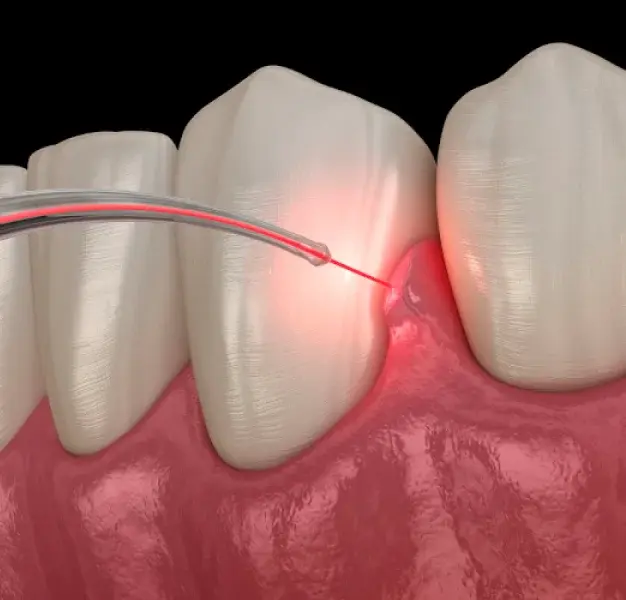
- The laser can remove infected tissue and target periodontal pockets where harmful bacteria can accumulate, supporting healthier gums.
- Excess gum tissue can be gently reshaped to reveal more of the natural tooth surface.
- Irregular gum heights can be refined to create a more balanced and symmetrical gumline.
- Laser treatment can sculpt the gumline to create a more attractive frame for your teeth and complement cosmetic dental treatment.
- Overgrown or irritated tissue that affects comfort or interferes with dental work may be treated with a soft tissue laser.
What Makes Laser Treatment a Comfortable Choice
Laser dentistry can make certain gum procedures more comfortable by offering precise treatment with less bleeding and often less postoperative soreness. Belmont Dentistry uses targeted laser energy to treat unwanted or infected tissue while helping preserve surrounding healthy tissue. Many procedures require no stitches, and the laser can help reduce bacteria at the treatment site. With a gentler approach and potentially faster healing, laser treatment may also provide a calmer experience for patients who feel anxious about traditional dental instruments.
How Laser Dentistry Supports Precise Treatment
Laser treatment is carefully planned around the area being treated and the goal of the procedure. Rather than using the same laser approach for every patient, Belmont Dentistry considers the condition of the teeth and gums, the required treatment, and the patient’s overall oral health.

Evaluate the Area Requiring Treatment: The process begins with an examination of the teeth, gums, and surrounding oral tissues. The dental team identifies the underlying concern and determines whether laser-assisted treatment could be beneficial.
Select the Appropriate Laser Approach: Different dental procedures require different treatment strategies. The type of laser technology, settings, and technique are selected based on the tissue involved and the intended clinical outcome.
Prepare the Treatment Area: The treatment area is prepared carefully before laser energy is applied. This helps provide clear access to the area being treated and allows the procedure to be performed in a controlled manner.
Apply Focused Laser Energy: The laser is directed toward the targeted tissue using carefully controlled settings. Depending on the procedure, laser energy may remove, reshape, treat, or modify specific tissue while limiting unnecessary exposure to surrounding areas.
Assess the Treated Area: After the laser treatment, the area is evaluated to ensure the intended treatment has been completed. Additional treatment may be performed when clinically appropriate.
Follow Personalized Aftercare Instructions: Aftercare depends on the type and extent of laser treatment. Patients receive guidance specific to the procedure, including oral hygiene recommendations and any temporary precautions that may be necessary during healing.
Caring for Your Gums After Treatment
Healing after laser gum treatment is often quicker and more comfortable than many patients expect, although recovery can vary. For the first day or two, choose soft, cool foods and avoid anything sharp, crunchy, or very hot. Brush gently and avoid direct pressure on the treated areas until advised otherwise. Follow any recommended rinsing instructions to help keep your mouth clean while the gums heal.
Avoid tobacco and alcohol-based rinses, which may irritate treated tissue or interfere with healing. Mild tenderness can be normal during recovery. Attending your follow-up appointment allows our team to monitor your gums and healing progress. If you experience persistent bleeding, increasing pain, or swelling that does not improve, contact our office promptly.
Comfort-Focused Laser Dental Treatment
A gentler way to treat your gums may be closer than you think. Belmont Dentistry provides personalized laser dentistry in Phoenix, AZ, with treatment planned around your oral health and comfort. Our team can evaluate your needs, explain whether laser treatment is appropriate, and guide you through your options. Contact us at (480) 530-0492 to schedule your visit.
Frequently Asked Questions
About Laser Dentistry
Laser dentistry uses a focused beam of light energy to treat teeth and gums with precision. At Belmont Dentistry, we use a soft tissue laser to treat gum disease and reshape the gumline, often with less bleeding and soreness than traditional methods.
Yes. Dental lasers are widely used and are considered safe when operated by trained professionals. Everyone in the room wears protective eyewear, and the laser is used only on the targeted tissue.
Most patients find laser treatment comfortable, and many say they barely feel anything. Depending on the procedure, we may use numbing to ensure you are at ease. We will explain what to expect before we begin.
A soft tissue laser can treat gum disease, correct a gummy smile, contour an uneven gumline, and address excess or irritated gum tissue. We will confirm which uses apply to your situation during your exam.
Yes. A laser can remove infected tissue from the gum pockets and help reduce bacteria, supporting healing. It is often used alongside other gum disease treatments, depending on how advanced the condition is.
In many cases, yes. By carefully reshaping the gumline, a laser can reveal more of the natural tooth and create a more balanced smile. Whether it is the right option depends on the structure of your gums and teeth, which we will evaluate.
Recovery is generally quick, and many patients return to normal activities right away. Mild tenderness for a few days is common, and the gums typically heal comfortably with good care. We will give you aftercare instructions for your specific procedure.
Coverage depends on the reason for treatment. Laser therapy for gum disease may be covered under some dental plans, while cosmetic gum reshaping often is not. Our team can verify your benefits, and we offer an in-house dental savings plan for patients without insurance.