
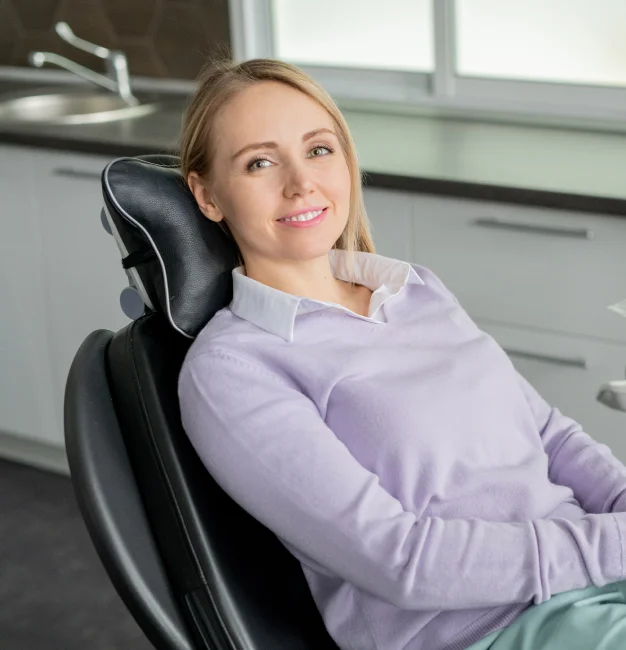
A Calmer Way to Experience Dental Treatment
Dental anxiety can make even routine appointments feel overwhelming. Some patients become nervous about the sounds, sensations, or anticipation of treatment, while others have difficulty remaining comfortable during longer procedures. Sedation dentistry can help create a more relaxed experience for patients who feel uneasy about receiving dental care.
At Belmont Dentistry, sedation is considered as part of a broader treatment plan rather than a one-size-fits-all solution. The appropriate approach depends on the planned procedure, medical history, level of anxiety, and individual comfort needs. By discussing concerns before treatment, the dental team can determine whether sedation may be appropriate and help patients understand what to expect.
How Sedation Helps Ease Dental Anxiety
Sedation may be helpful for patients who experience significant nervousness or have difficulty tolerating dental procedures. Depending on the situation, it can make treatment feel more manageable while allowing necessary dental care to proceed.
- Sedation can help patients feel calmer before and during appropriate dental procedures.
- A more relaxed state may make it easier to remain comfortable throughout treatment.
- Patients who have postponed dental treatment because of fear may find sedation helpful when returning to care.
- Depending on the sedation approach, patients may feel less focused on the sights, sounds, and sensations associated with treatment.
- Sedation may be considered when a procedure requires patients to remain still and comfortable for an extended period.
- Sedation recommendations can be tailored to the procedure and the patient’s specific concerns.
- Reducing fear and tension can help patients approach future appointments with greater confidence.
Different Sedation Options for Your Comfort
Every patient has different concerns when it comes to dental treatment, so Belmont Dentistry considers your comfort, procedure, medical history, and level of anxiety when discussing sedation. During your consultation, our team can explain available options and help determine which approach may be appropriate for your planned care.
Nitrous oxide (laughing gas)
A mild, relaxing gas breathed through a small mask. It takes effect quickly, helps you feel calm and lightheaded, and wears off soon after the mask is removed. Many patients are able to resume their day afterward.
Oral conscious sedation
A prescribed medication taken before your visit that leaves you deeply relaxed while still able to respond to us. Many patients feel drowsy and remember little of the appointment. You will need someone to drive you home.
Preparing for a Comfortable Dental Visit
Sedation planning involves more than simply administering medication before treatment. Each stage helps ensure that the approach is appropriate for the patient and the planned procedure.

Discussing Anxiety and Treatment Concerns: The appointment begins with an open discussion about dental fears, previous experiences, treatment concerns, and what makes dental visits uncomfortable. Understanding these concerns helps guide the sedation discussion.
Reviewing Health and Medication History: Medical conditions, medications, allergies, previous reactions to sedation, and other relevant health information are reviewed. This information helps determine whether sedation is appropriate and what precautions may be necessary.
Selecting an Appropriate Sedation Approach: Based on the planned dental procedure and individual needs, the dental team determines whether sedation may be beneficial and discusses the recommended approach. Patients can ask questions about the experience, expected effects, and preparation requirements.
Preparing for the Appointment: Patients receive instructions specific to their planned sedation and treatment. Depending on the method used, preparation may include instructions regarding eating, drinking, medications, transportation, or activity after the appointment.
Receiving Sedation and Dental Treatment: The selected sedation method is administered according to the treatment plan. During the appointment, appropriate monitoring is used while the planned dental care is completed.
Recovering After Treatment: Recovery depends on the type and level of sedation used. Patients receive instructions about what to expect afterward and any restrictions that apply. If the sedation method requires assistance after treatment, arrangements should be made in advance.
Comfortable Care with Safety In Mind
Your safety is the first priority every time we use sedation. Belmont Dentistry takes a careful approach to sedation, with patient safety considered before, during, and after treatment. Before sedation, the team reviews your health history, medications, and individual needs to help determine which option is appropriate. Throughout the appointment, your response is closely monitored while the team keeps you informed about what to expect.
After treatment, Belmont Dentistry provides clear instructions for your recovery and explains any precautions that may apply. Depending on the type of sedation used, you may need a responsible adult to take you home. If your health history indicates that another approach would be safer, the treatment plan can be adjusted accordingly.
Move Past Dental Anxiety with Sedation
Fear should not stand between you and a healthy smile. Our team provides sedation options to help patients feel more relaxed and comfortable during dental treatment. We take the time to understand your concerns and provide supportive, personalized care throughout your visit. Contact us at (480) 530-0492 to schedule an appointment with us.
Frequently Asked Questions
About Sedation Dentistry
Sedation dentistry uses medication or gas to help patients relax during dental treatment. It is often used for people with dental anxiety, a strong gag reflex, or those who need lengthy or complex procedures, and it is typically combined with local anesthesia to numb the treatment area.
When performed by a trained team with a careful health review and monitoring, sedation dentistry is considered safe for most patients. We review your medical history and medications first and choose the option that fits your health and treatment.
It depends on the type of sedation. With nitrous oxide, you remain awake and relaxed. With oral conscious sedation, you are usually drowsy and may not remember much of the visit, but you can still respond when spoken to.
No. Sedation helps you relax, and local anesthetic numbs the treatment area so you do not feel pain. If you notice any discomfort, let us know and we will adjust right away.
Common options include nitrous oxide (laughing gas) and oral conscious sedation, each offering a different level of relaxation. We will explain the options that are appropriate for you and for the procedure you need.
Nitrous oxide wears off within minutes of removing the mask, and most patients can go about their day. With oral sedation, drowsiness can last for several hours, so you will need a ride home and should plan to rest.
Good candidates include patients with dental anxiety or fear, sensitive gag reflexes, difficulty getting numb, or those needing extensive treatment. We review your health history first to confirm it is a safe choice for you.
Coverage varies. Some plans cover sedation when it is considered medically necessary, while others do not cover it. Our team can verify your benefits ahead of time, and we offer an in-house dental savings plan and CareCredit financing.