Regular Screening for Long-Term Oral Health
Oral cancer can develop without obvious symptoms, making routine screening an important part of preventive dental care. At Belmont Dentistry, our team is here to help patients stay proactive about their oral health by including careful screening as part of appropriate dental visits. During an oral cancer screening, we examine areas such as the tissues of the mouth, tongue, throat, and neck for unusual changes that may need further evaluation.
The screening is generally quick and does not require special preparation, making it an easy addition to regular dental care. By helping identify concerning changes early, Belmont Dentistry can support patients in taking appropriate next steps for their health.
How Oral Cancer Screenings Support Prevention
Routine oral cancer screenings provide a simple way to monitor changes in the mouth and support proactive oral health. Because early changes may not cause noticeable symptoms, regular screenings can help identify areas that may require closer evaluation.
- Early detection can help identify concerning changes when they may be easier to address.
- The screening is comfortable, non-invasive, and typically requires no needles or recovery time.
- Oral cancer screening can be incorporated into your routine dental examination without another appointment.
- A careful examination may identify other unusual changes affecting your oral tissues.
- Regular screening can provide reassurance when no concerning changes are identified during your visit.
- Ongoing examinations help your dental team compare changes and monitor your oral health over time.
Signs That Deserve Professional Attention
Being familiar with changes in your mouth can help you recognize when something should be professionally evaluated. A sore that does not heal, persistent irritation, unusual lumps, thickened areas, or red and white patches may warrant attention. Other changes, including unexplained bleeding, difficulty chewing or swallowing, numbness, altered denture fit, or persistent changes in your voice or throat sensation, should also be discussed with a dental professional. These signs can have many possible causes, and an examination can help determine whether further evaluation is appropriate.
How We Check for Signs of Oral Cancer
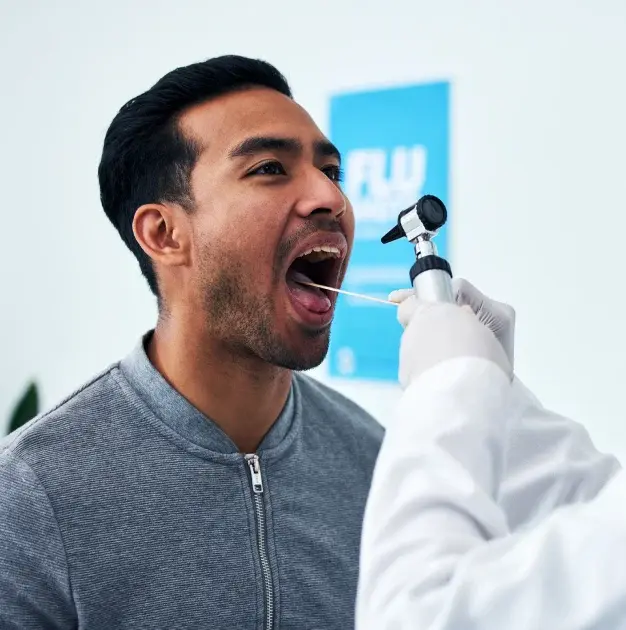
Knowing what to expect can take the worry out of any appointment. The screening is gentle and typically takes just a few minutes. Here is how it works at our Phoenix dental office.

A review of your health history: We ask about tobacco and alcohol use, sun exposure, and any symptoms or changes you have noticed, since these details help us know what to look for.
A look at the face and neck: The dentist checks for swelling, asymmetry, or unusual changes on the outside of the face, jaw, and neck.
A gentle feel of the neck and jaw: By lightly pressing along the neck, jawline, and under the chin, we check for lumps or swollen lymph nodes.
A close look at the lips and cheeks: We examine the lips and the soft inner lining of the cheeks for color changes, sores, or rough areas.
A thorough check of the tongue: We look at the top, sides, and underside of the tongue, where many early changes appear. This often involves gently holding the tongue with a piece of gauze to see all surfaces.
An examination of the gums, floor, and roof of the mouth: Each area is checked for patches, swelling, or tissue that looks or feels different from what is expected.
A look at the throat: We view the back of the throat and tonsil area for anything unusual.
A clear review of what we found: If we see something that deserves attention, we can capture close-up images with our intraoral camera and show them to you on a large screen, then explain what we recommend next.
Simple Habits That Help Lower Your Risk
No screening replaces healthy habits, and everyday choices can play an important role in protecting your oral and overall health. Avoiding tobacco in all forms is one of the best steps you can take, while limiting alcohol is also important, particularly because heavy drinking combined with tobacco can significantly increase risk. Protecting your lips from prolonged sun exposure with an SPF lip balm can also help. Eating plenty of fruits and vegetables supports healthy tissues throughout the body and contributes to a balanced diet.
Talk with the dentist about the HPV vaccine, which can help protect against certain HPV-related cancers. You can also check your mouth monthly for sores, patches, or lumps and report any changes to your dental team.
Compassionate Support for Your Oral Health
A routine screening is quick, comfortable, and can make a meaningful difference. At Belmont Dentistry, we provide thoughtful oral cancer screenings to help you stay proactive about your health. If you are due for a dental visit or have noticed a change in your mouth, contact us at (480) 530-0492.
Frequently Asked Questions
About Oral Cancer Screenings
An oral cancer screening is a quick, painless exam in which a dental professional checks the lips, cheeks, tongue, gums, floor and roof of the mouth, throat, and neck for signs of cancer or precancerous changes. It involves looking and gently feeling for anything unusual, and it is often included with a routine dental exam.
No. The exam is gentle and non-invasive, and it does not require needles, numbing, or any recovery time. Most patients barely notice it, and it usually takes just a few minutes.
Most adults should have one at least once a year, and it is commonly performed at regular checkups. If you have risk factors such as tobacco use, heavy alcohol use, or HPV exposure, we may recommend checking more often.
Early signs can include a sore that does not heal within two weeks, white or red patches in the mouth, a lump or thickened area, ongoing throat soreness, difficulty swallowing, or numbness in the mouth or face. Many early changes are painless, which is why screening matters.
Tobacco use, heavy alcohol consumption, HPV infection, extended sun exposure to the lips, and being over 40 all raise risk. However, people with no obvious risk factors can also develop oral cancer, so regular screening is valuable for everyone.
Yes, in many cases it is included. We take time to look closely at the soft tissues of your mouth and throat during a comprehensive exam, so you do not need a separate visit.
We will explain what we see, and we may recommend monitoring it for a short time or referring you to a specialist for further testing, such as a biopsy. Many spots turn out to be harmless, and our team will guide you through each step.
Many dental insurance plans cover oral cancer screenings as part of a routine exam, though coverage varies by plan. Our team can verify your benefits before your visit, and we offer an in-house dental savings plan for patients without insurance.