
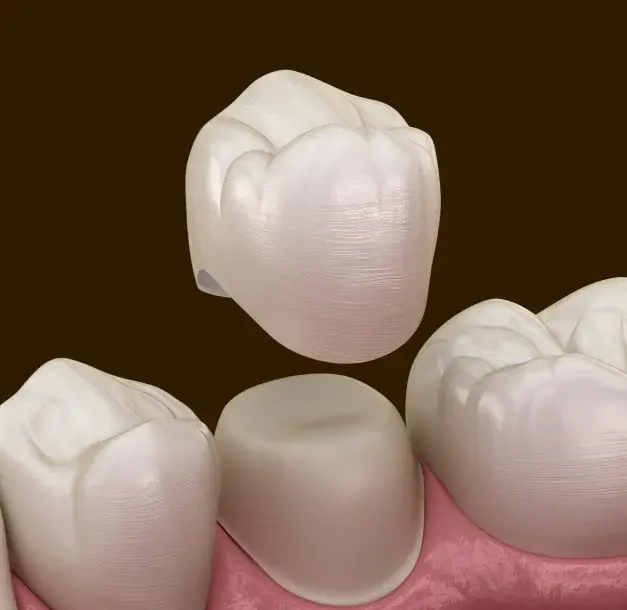
Restore Damaged Teeth with Dental Crowns
A damaged tooth does not always need to be removed. At Belmont Dentistry, dental crowns provide a way to reinforce teeth that have been weakened by decay, fractures, large fillings, wear, or previous dental treatment. A crown covers the visible portion of the tooth, helping restore its structure while improving its function and appearance.
Our team takes the time to evaluate the condition of the tooth, surrounding tissues, bite, and your overall oral health before recommending a crown. This allows our team to develop a treatment approach based on what your tooth needs rather than simply treating the visible damage. When a crown is appropriate, careful planning and precise placement help create a restoration that feels comfortable and blends naturally with your smile.
When A Dental Crown Is Recommended
Dental crowns can serve both restorative and cosmetic purposes. Belmont Dentistry may recommend a crown when a tooth needs additional protection or when its structure has been significantly compromised.
A dental crown may be considered for:
- A crown can reinforce a tooth that has lost substantial structure because of decay, cracks, or trauma.
- When limited healthy tooth structure remains around a large filling, a crown may provide additional protection.
- A crown can help protect a treated tooth from everyday biting forces and reduce the risk of further damage.
- Significant wear can change the shape and strength of a tooth. A crown may help restore its structure and function.
- Tooth-colored crowns can improve the appearance of teeth affected by extensive discoloration, irregular shape, or previous restorations.
- A worn, damaged, loose, or poorly fitting crown may need to be evaluated for replacement.
Signs Your Tooth May Need a Crown
Certain changes in a tooth may indicate that additional protection is needed. Belmont Dentistry recommends an evaluation if you notice pain when biting, sensitivity to hot or cold, visible cracks, a chipped area, difficulty chewing, or a tooth that feels weaker than those around it. A rough edge or noticeable change in how your teeth come together may also warrant attention. Early evaluation can help determine whether a dental crown or another treatment is appropriate.
What to Expect During Dental Crown Treatment
Getting a dental crown involves several carefully planned stages. The exact approach can vary depending on the tooth and the extent of the damage, but the process generally focuses on preparing the tooth, creating a restoration that fits properly, and securing it for everyday use.

Examination and Treatment Planning: The tooth is evaluated to determine whether a crown is appropriate. The examination may include dental imaging and an assessment of the tooth’s structure, surrounding tissues, and bite. This helps identify underlying problems that may need attention before the crown is placed.
Tooth Preparation: Once treatment is planned, the damaged or compromised portions of the tooth are addressed and the tooth is shaped to accommodate the crown. The goal is to create enough space for the restoration while preserving as much healthy tooth structure as possible.
Crown Design and Fabrication: Measurements and other clinical information are used to create a crown that corresponds to the prepared tooth. The restoration is designed with attention to its size, shape, bite relationship, and appearance so it can function comfortably alongside neighboring teeth.
Fit and Bite Evaluation: Before the crown is permanently secured, its fit is carefully checked. The restoration needs to sit properly against the prepared tooth and interact appropriately with the opposing teeth. Adjustments can be made when necessary to support a comfortable bite.
Crown Placement: Once the restoration has been evaluated and the fit is appropriate, the dental crown is secured to the prepared tooth. The result is a restored tooth designed to provide coverage, stability, and everyday function.
Care After Treatment: A crowned tooth still requires regular brushing, flossing, and professional dental care. Maintaining the surrounding gums and remaining natural tooth structure is important for keeping the restoration and the rest of the smile in good condition.
Caring For Your Dental Crown
A dental crown is designed to provide long-term protection, but it still requires the same consistent oral hygiene as your natural teeth. Brush twice daily with fluoride toothpaste and clean between your teeth every day to help protect the gum tissue surrounding the crown.
Avoid using your teeth to bite hard objects, open packages, or perform tasks that could place excessive force on the restoration. Regular dental visits also allow Belmont Dentistry to monitor the crown, surrounding teeth, and gums for changes over time. If you notice sensitivity, discomfort, a loose crown, or a change in your bite, contact the practice so the restoration can be evaluated.
Strengthen Your Damaged Tooth With Dental Crowns
A damaged or weakened tooth can affect both comfort and confidence. Belmont Dentistry provides personalized dental crown treatment to help restore the tooth’s strength, function, and appearance. Our team evaluates your tooth and overall oral health before recommending a crown, helping ensure your treatment is suited to your individual needs. Contact Us at (480) 530-0492 to schedule a consultation.
Frequently Asked Questions
About Dental Crowns
A dental crown is a custom-made restoration that covers the visible portion of a damaged or weakened tooth. It restores the tooth’s shape and function while providing additional protection for the remaining natural structure.
A dental crown may be recommended for a tooth with extensive decay, a significant crack or fracture, substantial wear, a large filling, or after root canal treatment. The tooth must have enough healthy structure to support the restoration.
The tooth is typically numbed during crown preparation to help keep the procedure comfortable. Some sensitivity or mild soreness may occur afterward, particularly while the tooth and surrounding tissues adjust to the restoration.
The lifespan of a dental crown varies based on factors such as oral hygiene, bite forces, the tooth’s location, and daily habits. Regular dental care and proper home hygiene can help protect both the crown and the natural tooth underneath.
A dental crown may help restore and protect a cracked tooth when enough healthy tooth structure remains. Treatment depends on the location and severity of the crack, so an examination is necessary to determine whether a crown is appropriate.
Once the crown has been properly placed and any initial sensitivity has settled, it is generally designed to function with normal biting and chewing. Good oral hygiene and avoiding damaging habits can help protect the restoration.
Care for a crowned tooth much like a natural tooth. Brush twice daily, floss around the restoration and gumline, maintain regular dental visits, and avoid habits that could place excessive force on the crown.
Signs that a crown may be needed can include a severely damaged tooth, a large filling, significant wear, a fracture, or a tooth that has undergone root canal treatment. A dental examination is needed to determine the appropriate restoration.