
Dentures That Finally Stay Where They Belong
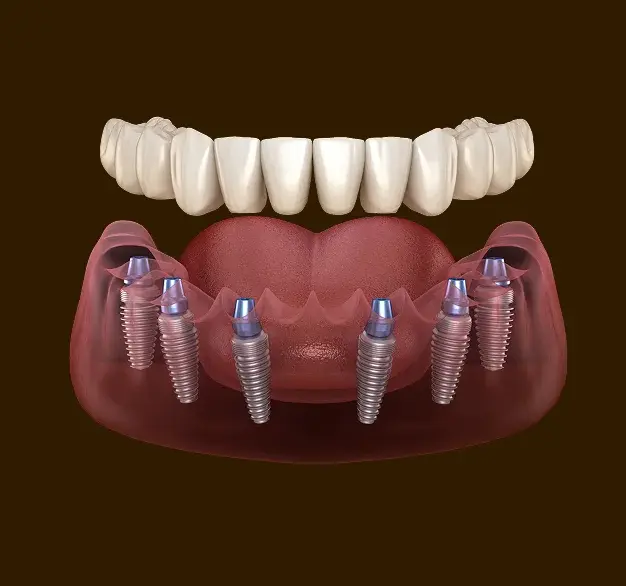
Traditional dentures can restore the appearance of a smile, but some patients find that removable dentures move while eating or speaking. Implant-supported dentures provide another option by using dental implants to help anchor a denture in place. This added support can improve stability while reducing unwanted movement during everyday activities.
At Belmont Dentistry, implant-supported denture treatment begins with evaluating the condition of the gums, jawbone, remaining teeth, and overall oral health. Digital imaging and careful treatment planning help determine whether implant-supported dentures are appropriate and how implants can be positioned to provide reliable support for the restoration.
Why Missing Teeth Affect More Than Your Smile
A gap in your smile can seem like a cosmetic concern, but the effects run deeper. Missing teeth can change how you chew, speak, and look, and they can quietly damage the health of the surrounding teeth and jawbone.
- Without tooth roots to stimulate it, the bone in the empty space gradually shrinks and weakens.
- Fewer teeth make it harder to eat firm, healthy foods, which can limit your diet and nutrition.
- The teeth left behind take on more chewing force and wear down faster.
- New gaps and shifted teeth create spaces where plaque and food collect.
- Missing front teeth in particular can affect how certain sounds are pronounced.
- Bone loss can cause the cheeks and lips to lose support, which may make the face look older or more sunken.
- An uneven bite can strain the jaw joints and muscles, sometimes causing soreness or headaches.
How Implant-Supported Dentures Improve Everyday Comfort
Traditional dentures can sometimes shift while speaking or chewing, making daily activities less comfortable. Implant-supported dentures use dental implants placed in the jawbone to create a more stable foundation for replacement teeth. This support can reduce unwanted movement and help patients feel more secure during meals, conversations, and everyday activities.
At Belmont Dentistry, we evaluate your oral health, jawbone condition, and tooth replacement goals to determine whether implant-supported dentures are right for you. We explain your treatment options, maintenance needs, and long-term care so you can make an informed decision. With proper planning and ongoing care, implant-supported dentures can improve stability, function, and confidence.
What to Expect During Treatment
Every implant denture treatment is planned around the patient’s oral health and tooth replacement needs. The process may involve several stages designed to establish a stable foundation before the final restoration is delivered.

Comprehensive Oral and Implant Evaluation: The first stage involves examining the teeth, gums, jawbone, bite, and areas affected by tooth loss. Diagnostic imaging may be used to gather detailed information about bone structure and implant placement considerations.
Personalized Treatment Planning: The findings from the evaluation are used to develop a treatment plan. Implant positions, restoration design, available bone, and the desired functional outcome are considered together rather than treating each component separately.
Implant Placement: Dental implants are strategically positioned within the jawbone to create a stable foundation for the future denture. The exact number and placement of implants depend on the patient’s anatomy and treatment plan.
Healing and Implant Integration: The implants need time to integrate with the surrounding bone. During this stage, the tissues heal and the implant foundation becomes established for the planned restoration.
Attaching the Denture: Once the implants are ready to support the restoration, the implant-supported denture is fitted and adjusted. The attachment system is designed to provide retention while allowing the restoration to function naturally.
Ongoing Evaluation and Maintenance: Regular dental visits allow the condition of the implants, gums, denture, and bite to be monitored. Professional maintenance and daily home care are important for protecting the long-term health of the tissues surrounding the implants.
Daily Care for Implant-Supported Dentures
Regular care helps keep an implant-supported denture clean, comfortable, and functioning properly. Remove and clean the denture daily by gently brushing it with a soft brush and non-abrasive denture cleaner. Clean around the implants and gums with a soft toothbrush and any recommended cleaning tools. If advised, remove the denture at night to give your gums a rest and support healthy tissues. Store the denture in water or an appropriate denture solution when it is not being worn to prevent drying or warping.
Regular checkups allow Belmont Dentistry to monitor the implants, gums, and denture fit over time. Attachments may wear down and require occasional maintenance or replacement. Avoid harsh abrasives and hot water, which can damage the denture material.
Restore Stability to Your Smile
You deserve teeth that feel secure and let you enjoy meals, conversations, and photos without a second thought. A consultation is an easy first step, and it will tell you exactly what implant-supported dentures could do for you. Call us at (480) 530-0492 to schedule your appointment with us.
Frequently Asked Questions
About Implant-Supported Dentures
Implant-supported dentures are replacement teeth that are anchored to dental implants placed in the jawbone, rather than resting only on the gums. This gives the denture more stability, comfort, and chewing power than a conventional denture.
It depends on the jaw and the design of the denture. A lower denture is often secured with two to four implants, while an upper denture usually benefits from four or more because the bone is typically softer. A 3D scan helps us recommend the right number.
Many implant-supported dentures are removable, so you can take them out for cleaning and at night if advised. They snap or clip securely onto the implants when worn. If you want teeth that are fixed permanently in place, we can talk about other implant options.
The implants themselves can last for decades with good care. The denture and its attachments may need adjustments, relining, or replacement over time because of normal wear, which we check at regular visits.
Implant placement is done with anesthesia, so you should feel pressure but not pain. Some soreness and swelling are common for a few days afterward and can usually be managed with simple measures. We will explain what to expect and how to stay comfortable.
Often, yes. A 3D scan shows how much bone is available. If bone is limited, we may be able to adjust the placement or recommend additional steps to support the implants. We will be honest about what is possible for you.
Remove the denture daily, brush it with a soft brush and a non-abrasive cleaner, and clean your gums and implants with a soft toothbrush. Store the denture in water or denture solution when it is not in use, and keep up with regular checkups.
The cost depends on the number of implants, the type of attachment, and any preparation needed, so we provide a personalized estimate after your exam. Some dental plans cover part of the treatment. We also offer an in-house dental savings plan and CareCredit financing.