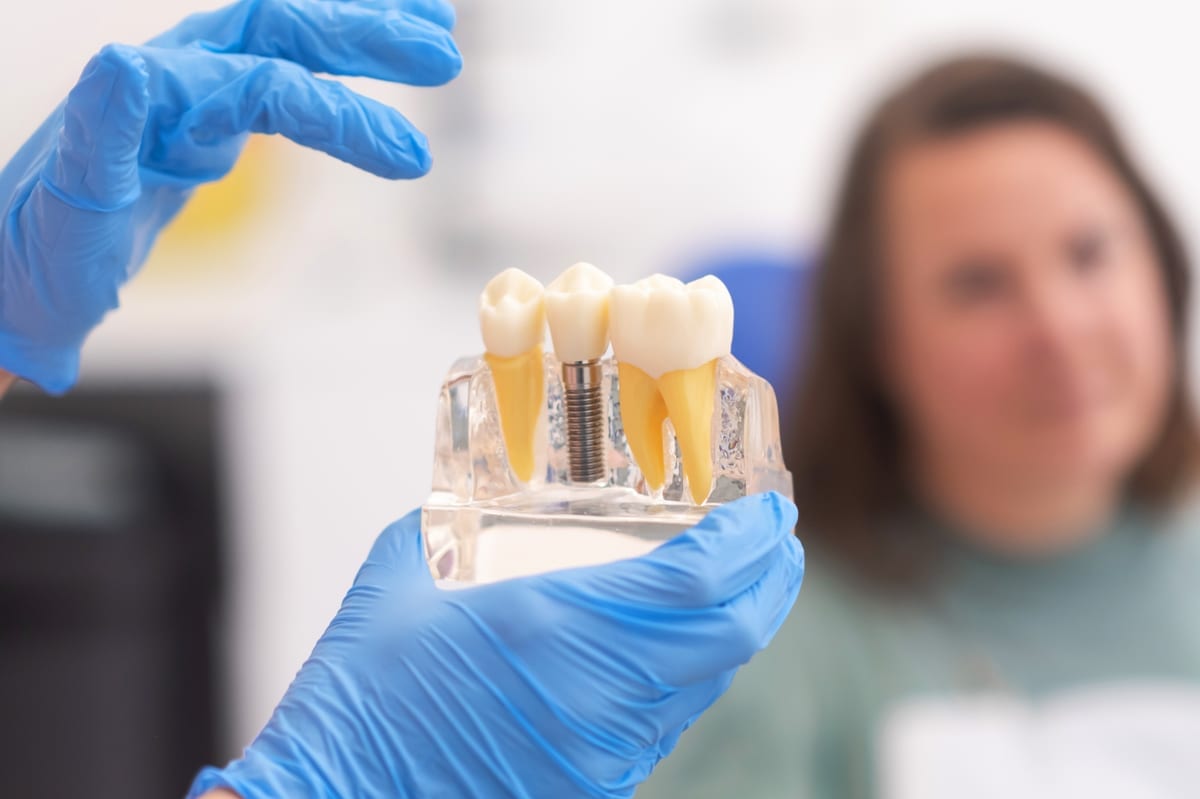

Choosing between porcelain or composite veneers is one of the most common questions Scottsdale patients bring to our office. Both options can transform your smile dramatically. But they differ in ways that matter — durability, appearance, cost, and how much tooth structure is involved. Understanding those differences helps you make a smarter, longer-lasting investment in your smile.
At Belmont Dentistry Scottsdale, Dr. Ambreen Sandhu walks every patient through these comparisons before recommending a single treatment. This guide breaks down exactly what separates porcelain from composite resin veneers — so you can choose with confidence.
Porcelain or Composite Veneers: Understanding What Each One Is
Veneers are thin shells bonded to the front surface of your teeth. They correct chips, cracks, staining, gaps, and uneven shapes. The material used makes a significant difference in how they look and how long they hold up.
Porcelain veneers are fabricated in a dental lab from ceramic material. They are custom-crafted to match the natural translucency of real tooth enamel. Because they are made off-site, placement typically takes two visits.
Composite resin veneers are made from a tooth-colored plastic and glass mixture. Your dentist sculpts and bonds the material directly to your teeth in one appointment. They require less preparation time but deliver a different result in terms of longevity and sheen.
Both fall under the broader category of Cosmetic Dentistry, which focuses on improving smile aesthetics through proven, minimally invasive techniques.
Aesthetics and Natural Appearance: How Each Veneer Looks Long-Term
Porcelain closely mimics the way natural enamel reflects light. This gives porcelain veneers a lifelike, luminous quality that is difficult to replicate. Even under bright Arizona sunlight, porcelain tends to look strikingly natural.
Composite resin has improved significantly over the years. Skilled dentists can produce beautiful results using composite. However, resin does not reflect light in quite the same way porcelain does, and the difference becomes noticeable over time.
One major concern with composite is staining. Resin is more porous than porcelain, which means it absorbs pigments from coffee, wine, and tea more readily. Porcelain resists staining far better and maintains its color for years with proper care.
For patients in Scottsdale who want a result that looks virtually indistinguishable from natural teeth, porcelain usually delivers superior long-term aesthetics. Composite remains an excellent option for patients who prioritize affordability or a reversible approach.
Durability and Lifespan: Which Veneer Investment Goes the Distance
This is often the deciding factor for patients comparing porcelain or composite veneers when thinking about which investment lasts longer in Scottsdale. Let’s look at the numbers honestly.
- Porcelain veneers typically last 10 to 20 years with proper care.
- Composite veneers generally last 4 to 8 years before needing replacement or repair.
- Porcelain is harder and more resistant to chipping under normal biting forces.
- Composite can chip or wear down more quickly, especially in patients who grind their teeth.
- Both require good oral hygiene habits and regular dental checkups to maximize lifespan.
Porcelain costs more upfront, but its longer lifespan often makes it the more economical choice over a decade or more. Composite requires more frequent replacement, which adds to the total cost over time.
It is also worth noting that certain lifestyle habits — like nail-biting, chewing ice, or grinding — affect both veneer types. Dr. Sandhu reviews these factors during your consultation to recommend the right fit for your life.
The Procedure: What to Expect With Each Type of Veneer
The preparation process differs meaningfully between the two options. Knowing what each involves helps set realistic expectations before you commit.
For porcelain veneers:
- Your dentist removes a small, thin layer of enamel from the tooth surface.
- Digital impressions or molds are taken and sent to a dental lab.
- Temporary veneers protect your teeth while the permanent ones are crafted.
- You return for a second visit to bond the finished porcelain veneers in place.
For composite veneers:
- Little to no enamel removal is typically required — making this a more reversible option.
- Your dentist applies resin directly to the tooth and sculpts it by hand.
- A curing light hardens the material immediately.
- The process is complete in a single appointment.
Porcelain veneers require more commitment. Once enamel is removed, you will always need a veneer or another restoration on that tooth. Composite is more conservative and can be removed or adjusted more easily if your needs change.
Cost Comparison and Long-Term Value in Scottsdale
Cost is a real consideration, and we believe patients deserve transparency. Porcelain veneers typically cost more per tooth than composite resin veneers. The lab fabrication, additional appointments, and material quality all contribute to that difference.
Composite veneers are a more accessible entry point for patients who want smile improvements without the higher upfront investment. They are also ideal for younger patients whose smile needs may still be evolving.
However, total long-term cost tells a different story. If composite veneers need replacement every five to seven years, the cumulative expense can exceed the cost of porcelain over a 15-year period. Patients benefit from thinking about total value — not just the initial price tag.
- Porcelain: higher upfront cost, longer lifespan, fewer replacements needed
- Composite: lower upfront cost, shorter lifespan, more frequent maintenance
- Both options require routine dental care to perform at their best
- Your dentist can help you evaluate which fits your timeline and goals
Some patients also use veneers alongside other restorative work. For patients missing teeth, Dental Implants may be recommended in combination with veneers to achieve a complete, harmonious smile transformation.
Which Veneer Is Right for You? Making the Decision in Scottsdale
There is no single right answer for every patient. The best choice depends on your aesthetic goals, budget, timeline, and dental health history. Dr. Ambreen Sandhu takes all of these factors into account before making a recommendation.
If you want the longest-lasting result with the most natural appearance, porcelain is typically the stronger investment. If you want a more affordable, reversible option that still delivers real cosmetic improvement, composite resin may be the right starting point.
Scottsdale patients often ask whether they can start with composite and upgrade to porcelain later. In many cases, yes — that is a reasonable approach. Your dentist can map out a phased plan that aligns with your goals over time.
The most important first step is a thorough consultation. Come in, share your goals, and let Dr. Sandhu examine your teeth and bite carefully. From there, you get a recommendation built around your specific situation — not a one-size-fits-all answer.
Ready to find out which veneer option is the right investment for your smile? Book Now to schedule your appointment with our team.
Frequently Asked Questions
How long do porcelain veneers last compared to composite veneers?
Porcelain veneers typically last between 10 and 20 years with proper care. Composite resin veneers generally last 4 to 8 years before they need repair or replacement. Porcelain offers a longer lifespan, making it the better long-term investment for most patients.
Are composite veneers a good option for Scottsdale patients on a budget?
Yes, composite veneers are a more affordable option upfront and can produce beautiful results. They are a smart choice for patients who want cosmetic improvement without the higher initial cost of porcelain. Keep in mind that they may need more frequent maintenance over time.
Do veneers require removing a lot of tooth structure?
Porcelain veneers require removing a thin layer of enamel before placement. Composite veneers typically require little to no enamel removal, making them a more reversible option. Your dentist will explain exactly what is involved based on your specific teeth and goals.
Can veneers stain over time?
Porcelain veneers are highly resistant to staining and maintain their color well over the years. Composite resin veneers are more porous and can absorb pigments from coffee, tea, wine, and other foods. Good oral hygiene and regular cleanings help both types stay looking their best.
Is it possible to replace composite veneers with porcelain later?
In many cases, yes. Patients who start with composite veneers can often upgrade to porcelain at a later date. Dr. Sandhu can help you plan a phased approach that fits your current budget while keeping your long-term smile goals in sight.