A More Precise Way to Treat Soft Tissue and Teeth
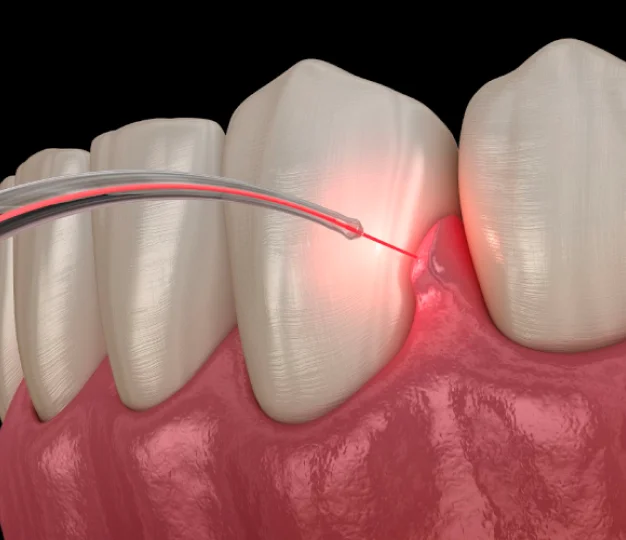
In recent years, laser dentistry has taken the place of many traditional techniques, making treatment more precise and often more comfortable. This approach relies on a focused beam of light from a dental laser rather than a blade or drill, and it can be used for a wide range of procedures, from shaping soft tissue to preparing a tooth for a filling. The FDA cleared laser dentistry for public use in 1990, and since then it has become a routine part of everyday dentistry at practices like Belmont Dentistry in Scottsdale, valued for reducing bleeding, anxiety, and recovery time compared to older methods.
Benefits of Choosing Laser Dentistry
Because a laser causes less trauma to the surrounding tissue than traditional instruments, patients tend to notice a number of advantages during and after treatment.
- Faster healing and tissue regeneration
- Greater preservation of the natural tooth structure
- Reduced bleeding during and after treatment
- Reduced need for anesthesia in many procedures
- Reduced need for stitches and sutures
- Lower risk of bacterial infection after treatment
Conditions and Procedures Laser Dentistry Can Treat
Laser dentistry is versatile enough to play a role in both cosmetic treatments and everyday preventive care, and the list of procedures it supports continues to grow.
- Reshaping Soft Tissue – A laser can expose more of the natural tooth for a procedure like crown lengthening, reshape gum tissue to improve a gummy smile, or remove uncomfortable tissue folds caused by denture wear.
- Frenectomy – A laser can release an overly tight or short frenulum, which often improves speech and feeding habits in babies, children, and adults.
- Soft Tissue Growth Removal – Benign growths in the soft tissue of the mouth can often be removed completely with a laser and with very little discomfort.
- Periodontal Treatment – A laser is routinely used to reduce harmful bacteria in the gum pockets, supporting healthier gum tissue and bone around the teeth.
How a Laser Dentistry Procedure Works
Different dental lasers use different wavelengths of light, and each wavelength is suited to a particular type of treatment, so the process is tailored to what is being addressed.

Exam and Imaging – X-rays and a thorough exam help determine exactly what needs treatment and which type of laser is best suited to it.
Selecting the Right Laser – Carbon dioxide and diode lasers are the most common types used for soft tissue treatment, each chosen based on the specific procedure being performed.
Protecting the Eyes – Because the laser beam is very bright, protective glasses are provided before treatment begins.
Numbing the Area if Needed – Many laser procedures require little to no anesthesia, though numbing is still used when a treatment calls for it.
Applying the Laser to the Treatment Area – The beam is carefully directed at the affected area to dissolve soft tissue, prepare a tooth, or complete the intended treatment.
Reviewing Aftercare – Before leaving, patients are given simple aftercare guidance, though recovery from most laser procedures is quick and straightforward.
What Makes Laser Treatment More Comfortable
Because a laser is so precise, it tends to disturb far less of the surrounding healthy tissue than a scalpel or drill, which is a big part of why so many patients notice less bleeding, swelling, and discomfort afterward. Many procedures move quickly enough that anesthesia is not needed at all, and any recovery time is often measured in days rather than weeks. This makes laser dentistry a good fit for patients who feel anxious about more traditional instruments.
Is Laser Dentistry Right for Your Treatment?
Laser dentistry can be used for many different procedures, but it is not the right approach for every dental concern. During a consultation at Belmont Dentistry, the condition being treated, your oral health needs, and your comfort preferences are considered before recommending a treatment method.
For patients who need gum reshaping, soft tissue treatment, periodontal care, or certain restorative procedures, laser technology may provide a more precise approach with less disruption to surrounding tissues. The team will explain whether laser dentistry is a suitable option and what you can expect before, during, and after treatment.
Ready to Experience More Comfortable Dental Care?
Laser dentistry offers a more precise, often more comfortable alternative to traditional treatment for a wide range of procedures. Reach out to Belmont Dentistry in Scottsdale to find out if a laser-based approach is right for your treatment.
Frequently Asked Questions
About Laser Dentistry
Yes. The FDA has approved dental lasers for public use since 1990, and they have become well-established as part of modern dentistry.
Most procedures involve little to no discomfort, since the laser causes less trauma to surrounding tissue, and many treatments need little or no anesthesia. Patients at Belmont Dentistry often describe laser procedures as easier than they expected.
Dental lasers are used for a wide range of soft tissue procedures, including reshaping gum tissue, frenectomies, removing benign growths, and treating gum disease.
Recovery is typically much faster than with traditional instruments, often just a few days, since the laser promotes faster healing and tissue regeneration.
Some laser procedures can cost more than their traditional counterparts, though the added comfort and faster recovery often balance out the difference. Cost is always discussed in advance so there are no surprises.
Yes. A laser frenectomy is commonly used to release a tight frenulum in babies and children, which can improve feeding and speech development.
Many laser procedures require few or no stitches, since the laser seals tissue as it works, which is one reason recovery tends to be more comfortable.
A short exam and X-rays at the Scottsdale office are usually enough to determine whether a laser-based approach fits a particular treatment need.