
Your shifting teeth are signaling bone loss—don’t wait longer in Scottsdale if you’ve noticed changes in your smile. Many patients dismiss shifting teeth as a cosmetic nuisance. But tooth movement is often a visible sign of something much more serious happening beneath the gumline. Understanding these warning signs can mean the difference between saving your smile and facing extensive reconstruction.
At Belmont Dentistry Scottsdale, Dr. Ambreen Sandhu sees patients every week who waited too long. They came in hoping for a simple fix. What they found instead was significant bone loss that had quietly progressed for months or even years. This article walks you through the signs that mean it’s time to act—right now.
Why Shifting Teeth Are More Than a Cosmetic Problem in Scottsdale
When a tooth is lost or severely damaged, the jawbone beneath it begins to deteriorate. This process is called resorption. Your bone needs the pressure and stimulation of a tooth root to stay dense and healthy. Without that stimulation, the bone shrinks—and neighboring teeth begin to drift into the gap.
That drifting is not random. It’s a structural response to lost support. As surrounding teeth shift, bite alignment changes. Gaps widen. Other teeth become vulnerable to the same bone loss. What starts as one missing tooth can silently affect your entire jaw over time.
Scottsdale patients often notice the shifting first in photos or when their bite suddenly feels different. By that point, bone loss has typically already begun. The longer you wait, the less bone remains to support a future dental implant.
Warning Signs You’ve Already Waited Too Long
Recognizing the warning signs early gives you options. The following symptoms suggest that bone loss may already be underway and that prompt dental evaluation is essential.
- Teeth that look longer: Gum recession exposes more of the tooth root, making teeth appear elongated.
- Gaps forming between teeth: Spaces that weren’t there before indicate shifting and bone deterioration.
- A bite that feels different: If your upper and lower teeth no longer meet comfortably, your jaw structure has changed.
- Difficulty chewing: Pain or instability while eating signals compromised tooth and bone support.
- Loose teeth in adults: Adult teeth should never feel wobbly—this is a serious red flag.
- A sunken or aged appearance: Bone loss changes facial structure, making the lower face appear collapsed or hollow.
If you recognize two or more of these signs, your shifting teeth are signaling bone loss—don’t wait longer. Scheduling a consultation in Scottsdale now gives Dr. Sandhu the ability to assess what remains and plan the most effective solution.
How Bone Loss Affects Your Implant Options
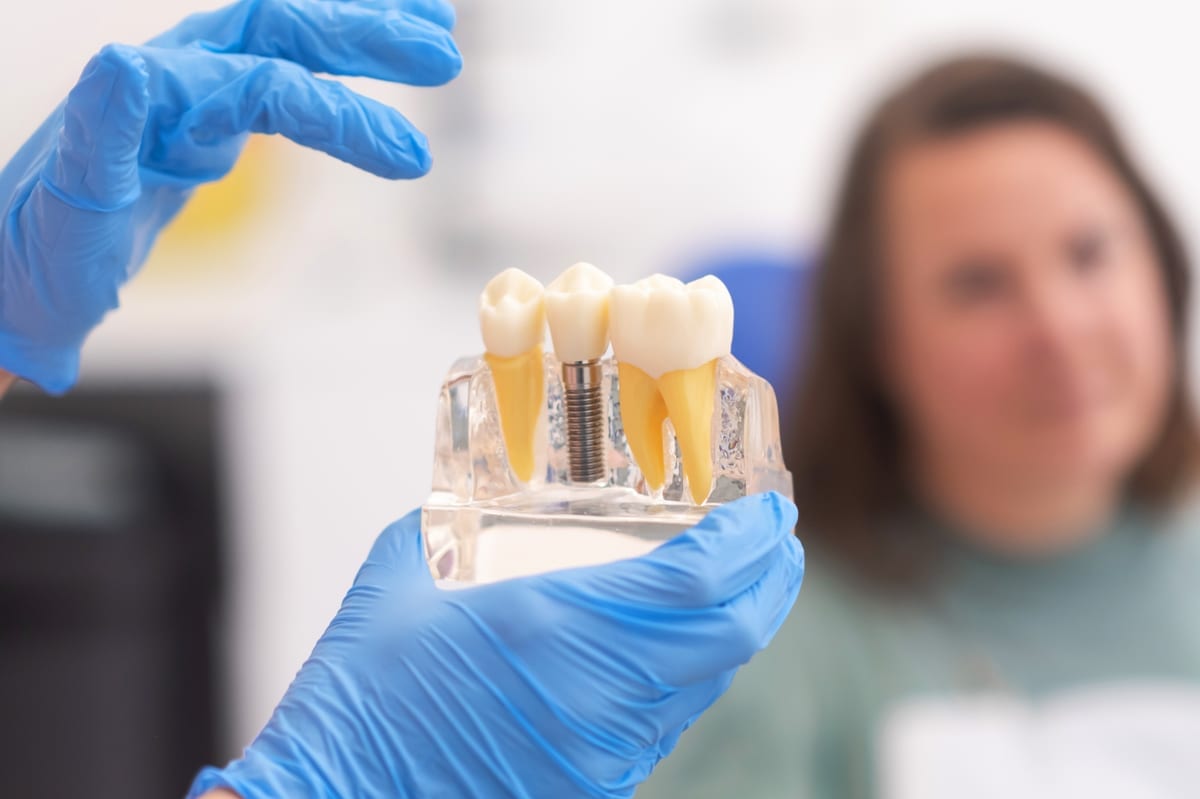
Dental implants are the gold-standard solution for missing teeth. They replace both the visible crown and the root below the gumline. That root replacement is critical—it restores the stimulation your jawbone needs to stay healthy.
However, implants require adequate bone volume to anchor securely. When bone loss has progressed significantly, patients may need a bone graft before implant placement is possible. This adds time and complexity to the treatment process. Acting sooner preserves more of your natural bone and simplifies the path to a restored smile.
Dr. Sandhu evaluates bone density and volume using advanced imaging at Belmont Dentistry Scottsdale. This assessment determines whether you’re a candidate for implants now or whether preparatory treatment is needed first. Either way, knowing your status is the essential first step.
- Early-stage bone loss: Implants may be placed without grafting, with faster healing timelines.
- Moderate bone loss: A bone graft may be recommended to rebuild volume before implant placement.
- Severe bone loss: More extensive reconstruction may be required, but solutions are still available.
- No action taken: Continued bone loss narrows all future treatment options over time.
Difficulty Chewing Is Not Just Inconvenient—It’s a Health Signal
Many patients with bone loss and shifting teeth begin avoiding certain foods. Hard fruits, raw vegetables, and tough proteins become difficult or painful to eat. This dietary restriction has real consequences for overall health. Poor nutrition affects energy, immunity, and systemic wellness.
Difficulty chewing also puts extra pressure on remaining teeth. Those teeth absorb forces they were never designed to handle alone. Over time, that stress causes accelerated wear, cracking, and additional tooth loss. The cycle accelerates the very problem you’re trying to manage.
Beyond function, the appearance of a shifting or collapsing smile affects confidence. Patients often stop smiling in photos. They feel self-conscious in social and professional settings. Cosmetic Dentistry solutions like implants and Cosmetic Dentistry approaches restore both function and aesthetics simultaneously. Treating the structural problem addresses the cosmetic concern at the same time.
What to Expect When You Visit Belmont Dentistry Scottsdale
Visiting Dr. Sandhu for a bone loss and shifting teeth consultation is straightforward. The goal is to gather accurate information and present you with honest, clear options. There is no pressure and no guesswork involved in this process.
Here is what a typical evaluation includes at our Scottsdale practice:
- Comprehensive oral exam: Dr. Sandhu examines all teeth, gums, and surrounding tissue for visible signs of deterioration.
- Digital X-rays or 3D imaging: These reveal bone height, density, and the precise location of any loss.
- Bite and alignment assessment: We evaluate how your teeth meet and identify any functional changes.
- Treatment discussion: Dr. Sandhu explains findings in plain language and outlines all available options.
- Personalized treatment plan: You receive a clear roadmap tailored to your specific stage of bone loss.
Patients consistently tell us they wish they had come in sooner. Early evaluation reduces complexity, preserves more bone, and gives you more restorative choices. Waiting only narrows those choices over time.
Take Action Before Your Options Narrow Further
Your shifting teeth are signaling bone loss—don’t wait longer if you’re a Scottsdale patient experiencing any of the symptoms described above. Bone loss is not reversible on its own. It progresses silently and steadily until intervention occurs. But with the right treatment at the right time, you can stop the progression, restore lost structure, and rebuild a healthy, confident smile.
Dr. Ambreen Sandhu and the team at Belmont Dentistry Scottsdale are here to guide you through every step. From initial evaluation to final restoration, our focus is always on your long-term oral health and overall well-being. We combine clinical expertise with genuine care for every patient who walks through our doors.
Don’t let another month pass while bone loss continues unchecked. Book Now to schedule your appointment with our team.
Frequently Asked Questions
How do I know if I have bone loss in my jaw?
Common signs include shifting or loose teeth, gum recession, changes in bite alignment, and difficulty chewing. The only way to confirm bone loss is through dental X-rays or 3D imaging. Dr. Sandhu at Belmont Dentistry Scottsdale can assess your bone health during a comprehensive evaluation.
Can bone loss be reversed without dental implants?
Bone loss itself cannot be reversed naturally once it has occurred. However, a bone graft procedure can rebuild lost volume, which then allows for implant placement. Dental implants restore the stimulation the jawbone needs to remain healthy and prevent further deterioration.
Why are my teeth shifting after losing just one tooth?
Every tooth in your mouth provides structural support to its neighbors. When one tooth is lost, the adjacent teeth lose that support and begin drifting toward the gap. This shifting changes your bite and accelerates bone loss in the affected area. Early intervention with a dental implant can prevent this cascading effect.
How long can I wait before getting a dental implant?
There is no universal timeline, but bone loss begins within weeks of tooth loss and accelerates over months. The longer you wait, the less bone remains to support an implant. Acting within the first few months after tooth loss typically simplifies treatment and produces better long-term outcomes.
Is difficulty chewing a sign of bone loss?
Difficulty chewing can indicate several problems, including bone loss, shifting teeth, bite misalignment, or compromised tooth structure. It should never be ignored or treated as a minor inconvenience. A dental evaluation can identify the underlying cause and prevent the problem from worsening.