If you recently received dental implants — or you’re planning to — knowing what to expect afterward is essential. Your dental implant recovery guide for timeline, food, and pain management in Youngtown starts right here. Dr. Puneet Sandhu and the team at Belmont Dentistry Peoria want every patient to feel informed, confident, and prepared. Recovery is manageable when you know what’s coming.
Understanding Your Dental Implant Recovery Timeline in Youngtown
Dental implant recovery happens in stages. Each stage plays an important role in your long-term success. Rushing the process can lead to complications, so patience is key.
Here is a general breakdown of the recovery timeline:
- Days 1–3: Swelling, mild bleeding, and soreness are common. Rest as much as possible during this phase.
- Days 4–7: Swelling begins to decrease. Discomfort becomes more manageable with medication.
- Weeks 2–4: Soft tissue heals significantly. Most patients return to normal daily routines.
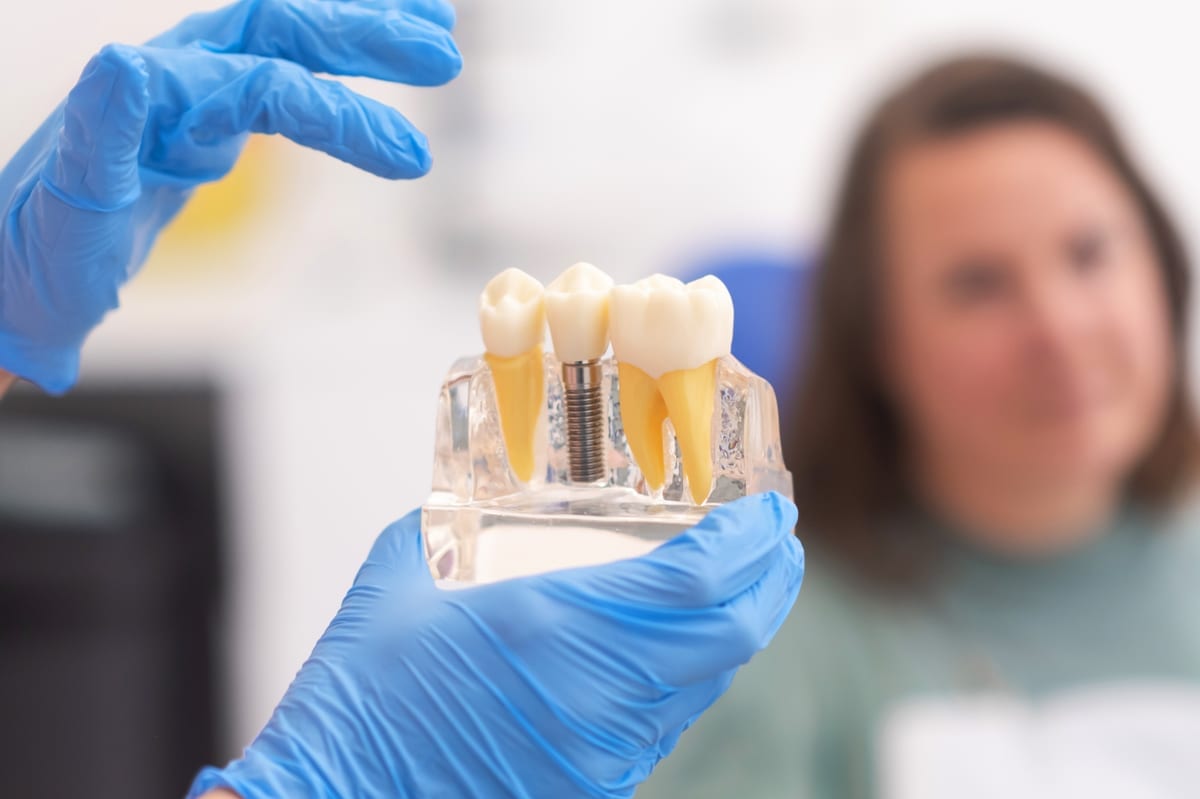
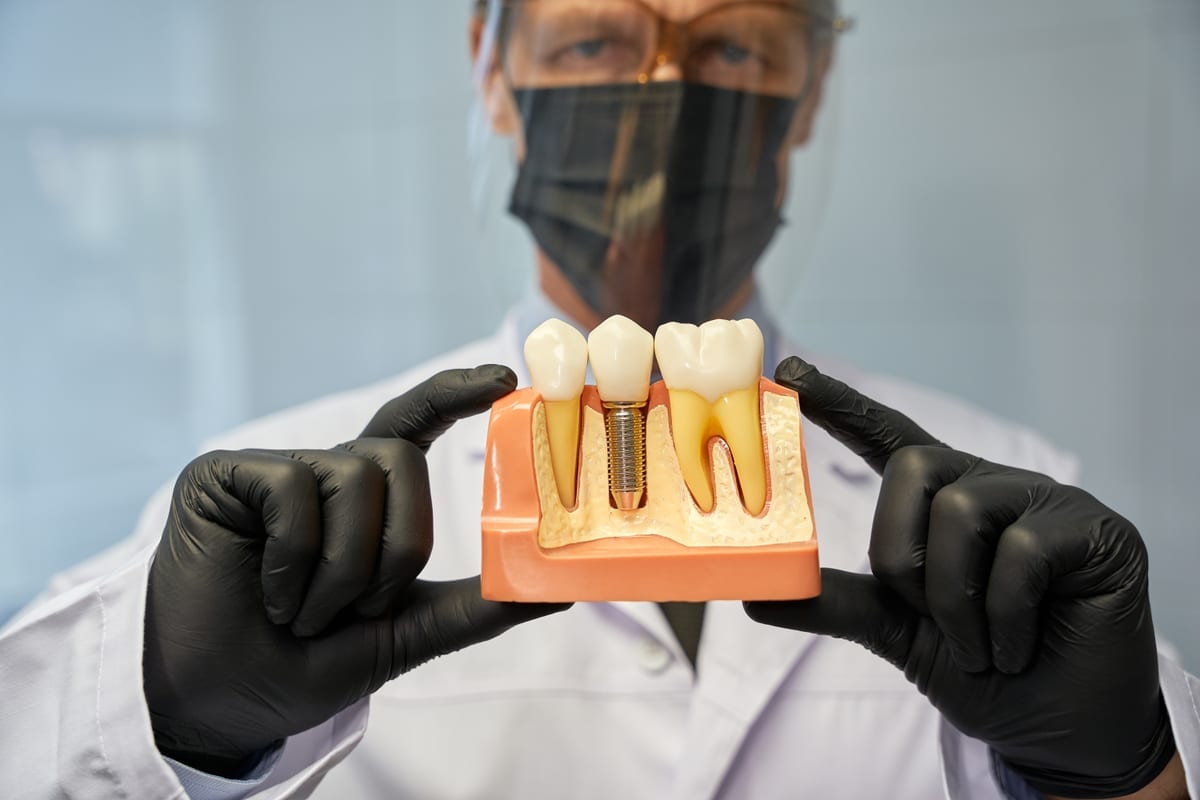
- Months 2–6: Osseointegration occurs — the implant fuses with your jawbone. This is the most critical phase.
- Month 6 and beyond: Your permanent crown is typically placed. Full function is restored.
Every patient heals at a different pace. Your health, bone density, and aftercare habits all influence the timeline. Dr. Sandhu monitors each stage closely to ensure proper healing.
What to Eat During Dental Implant Recovery
Your diet plays a massive role in how smoothly you heal. Eating the wrong foods can disturb the implant site and slow recovery. Youngtown patients should follow specific dietary guidelines for each recovery phase.
During the first week, stick to soft foods only. Hard, crunchy, or sticky foods can irritate the surgical site. The goal is to nourish your body without putting stress on the implant area.
Recommended soft foods include:
- Yogurt, applesauce, and smoothies
- Mashed potatoes and soft-cooked vegetables
- Scrambled eggs and oatmeal
- Soups and broths (not too hot)
- Soft fish like tilapia or salmon
Avoid hard nuts, raw carrots, chips, and sticky candies throughout early recovery. Also avoid drinking through a straw for at least 48 hours. The suction can dislodge blood clots and disrupt healing tissue.
After the first two weeks, you can gradually reintroduce firmer foods. Always follow Dr. Sandhu’s specific guidance before making dietary changes.
Managing Pain and Discomfort After Implant Surgery in Youngtown
Some discomfort after dental implant surgery is completely normal. Knowing how to manage it effectively makes a big difference. Most patients find that pain peaks within the first 48 hours and then steadily decreases.
Here are proven pain management strategies:
- Over-the-counter medications: Ibuprofen and acetaminophen reduce both pain and inflammation effectively.
- Prescribed medications: Dr. Sandhu may prescribe stronger pain relief or antibiotics. Take them exactly as directed.
- Ice packs: Apply to the outside of your cheek for 20 minutes on, 20 minutes off during the first 24 hours.
- Elevation: Keep your head elevated, even while sleeping, to reduce swelling.
- Salt water rinses: Begin gentle rinses after 24 hours to keep the area clean.
Never ignore severe or worsening pain after the third day. That could signal infection or implant complications. Contact Belmont Dentistry Peoria right away if your pain intensifies unexpectedly.
Smoking significantly slows healing and increases failure risk. Youngtown patients who smoke should stop for at least two weeks before and after surgery.
Long-Term Care Tips for Dental Implant Success
Once the initial recovery phase ends, long-term care keeps your implant healthy for decades. Dental implants can last a lifetime with proper maintenance. The habits you build now directly impact your results.
Brush your implant twice daily with a soft-bristle toothbrush. Use non-abrasive toothpaste to avoid scratching the crown surface. Floss daily around the implant using implant-specific floss or a water flosser.
Schedule regular professional cleanings and checkups at Belmont Dentistry Peoria. Routine Cosmetic Dentistry evaluations help Dr. Sandhu monitor your implant and surrounding gum tissue. Catching any issues early prevents larger problems down the road.
If you grind your teeth at night, mention it to Dr. Sandhu. A custom nightguard protects your implant from excessive pressure during sleep. This small step can add years to your implant’s lifespan.
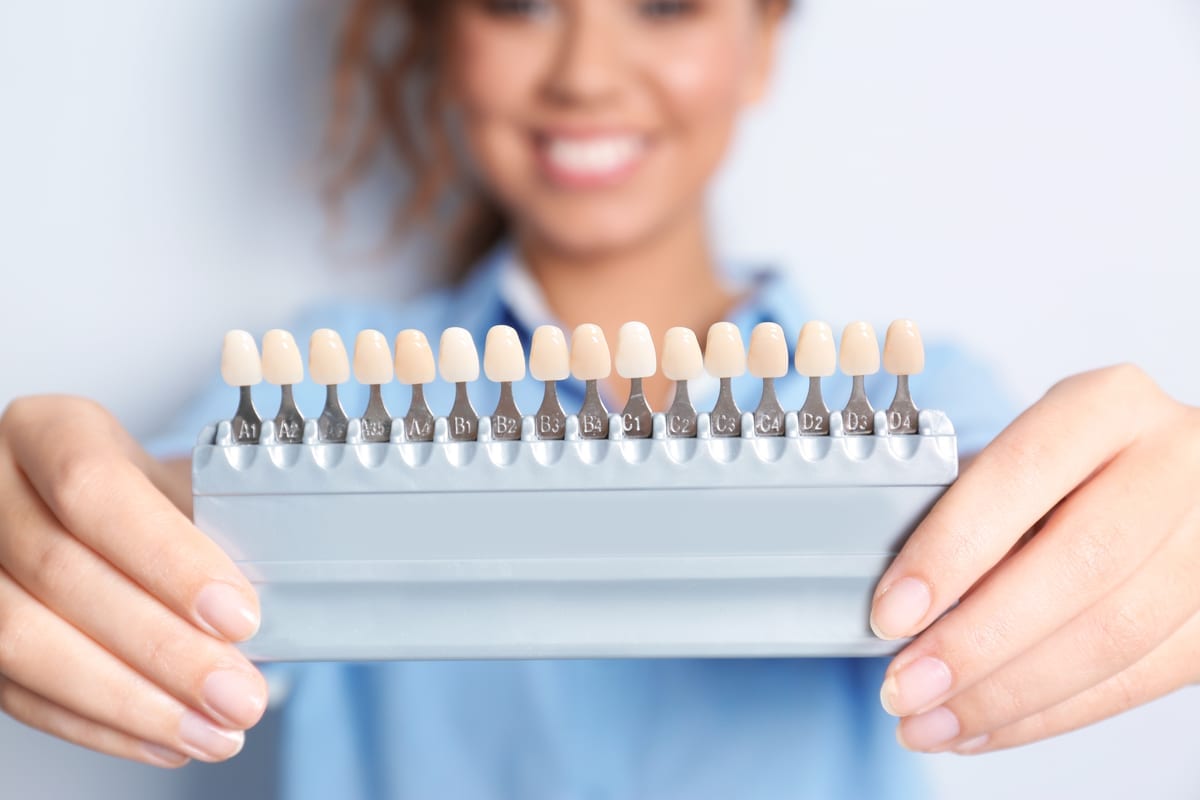
Also consider how implants complement other smile enhancements. Many Youngtown patients combine implants with Cosmetic Dentistry treatments like veneers or whitening for a complete smile transformation. A healthy implant forms the foundation for a beautiful, confident smile.
When to Call Your Dentist During Recovery
Most recovery milestones are predictable, but some signs require prompt attention. Knowing when to call is just as important as knowing what’s normal. Dr. Sandhu and the Belmont Dentistry Peoria team are always available for concerns.
Contact your dental office if you experience:
- Fever above 101°F that doesn’t resolve
- Severe swelling that worsens after day three
- Persistent bleeding that won’t stop with pressure
- Implant that feels loose or shifts position
- Pus or unusual discharge near the surgical site
These symptoms are not causes for panic, but they do require professional evaluation. Early intervention almost always leads to better outcomes. Never wait and hope a problem resolves on its own.
Conclusion: Healing Confidently After Dental Implants
Following a clear recovery plan gives your implant the best possible chance for long-term success. Youngtown patients can rely on Dr. Puneet Sandhu and the Belmont Dentistry Peoria team for expert guidance every step of the way. From the first day of healing through your final restoration, you are never alone in this process. Your dental implant recovery guide for timeline, food, and pain management in Youngtown is here whenever you need to reference it. Book Now to schedule your appointment with our team.
Frequently Asked Questions
How long does dental implant recovery take in Youngtown?
Most patients feel significantly better within one to two weeks. However, full osseointegration — where the implant fuses with the jawbone — takes three to six months. Dr. Sandhu tracks your progress at each follow-up visit to confirm healthy healing.
What foods should I completely avoid after implant surgery?
Avoid hard, crunchy, and sticky foods for at least the first two weeks. Examples include nuts, raw vegetables, hard bread, popcorn, and chewy candies. These foods can put pressure on the surgical site and slow healing.
Is it normal to have swelling after dental implant surgery?
Yes, swelling is a normal part of the healing response. It typically peaks around 48 to 72 hours after surgery and then gradually subsides. Applying ice packs during the first 24 hours helps reduce swelling effectively.
Can I brush my teeth after getting dental implants?
You can brush your other teeth carefully starting the day after surgery. Avoid brushing directly over the implant site for the first few days. Use a soft-bristle toothbrush and be very gentle around the surgical area.
How do I know if my dental implant is failing?
Warning signs include increasing pain after the first few days, a loose or shifting implant, persistent swelling, and unusual discharge. If you notice any of these symptoms, contact Belmont Dentistry Peoria immediately for an evaluation.