
BOOK ONLINE


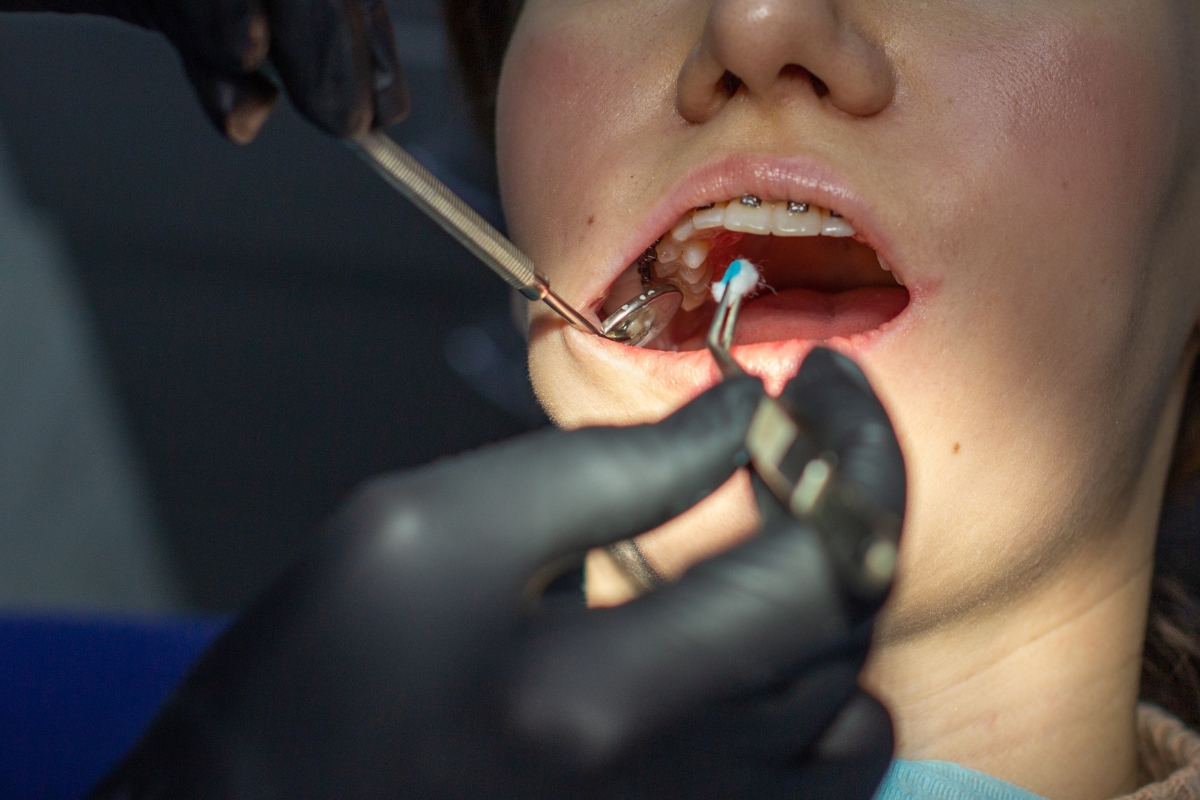
Pregnancy is an exciting time, but it also brings changes to your body. One of the lesser-known side effects of pregnancy is gingivitis, a common yet manageable dental condition. Gingivitis during pregnancy is more than just an inconvenience – it can lead to serious oral health concerns if left unchecked. As an expectant mother, understanding the causes, symptoms, and treatments for pregnancy-related gingivitis is crucial for both your health and your baby’s well-being. Here’s everything you need to know about pregnancy and gingivitis.
What is Gingivitis?
Gingivitis is the inflammation of your gums, often caused by a buildup of plaque on the teeth. When pregnant, hormonal changes can make you more susceptible to gum disease. The increase in progesterone can cause your gums to become inflamed and more sensitive. This makes it easier for plaque to irritate the gums, leading to gingivitis.
Why Are Expectant Mothers More Prone to Gingivitis?
During pregnancy, your body goes through significant hormonal changes. These changes can make your gums more sensitive and vulnerable to irritation. Some of the key reasons why pregnancy can increase the risk of gingivitis include:
- Hormonal Changes: Increased progesterone and estrogen levels can alter blood flow to your gums, making them more prone to infection.
- Changes in Immune Response: Pregnancy weakens your immune system, which may make it harder to fight off oral bacteria.
- Morning Sickness: Vomiting during morning sickness exposes your teeth to stomach acids, which can weaken enamel and increase the risk of gingivitis.
- Increased Blood Flow: The blood vessels in your gums dilate, leading to swelling, redness, and sensitivity.
Symptoms of Gingivitis During Pregnancy
Knowing the symptoms of gingivitis is key to catching it early and preventing more severe oral health issues. Common symptoms include:
- Red, Swollen, and Bleeding Gums: Especially when brushing or flossing.
- Bad Breath: Chronic bad breath can be a sign of gum infection.
- Tenderness in the Gums: Your gums may feel sore or irritated when touched.
- Changes in Gum Color: Gums may appear brighter red or darker.
How to Prevent and Treat Gingivitis During Pregnancy
Preventing and treating gingivitis is not only about brushing your teeth; it involves taking a holistic approach to your oral health. Here are some tips to help maintain healthy gums during pregnancy:
1. Maintain a Good Oral Hygiene Routine
Brush your teeth at least twice a day with fluoride toothpaste. Make sure to floss daily to remove food particles and plaque buildup. Don’t forget to brush your tongue as well to prevent bacteria from lingering.
2. Use a Soft-Bristled Toothbrush
During pregnancy, your gums are more sensitive, so it’s essential to use a soft-bristle toothbrush to avoid further irritation. If you experience bleeding or discomfort, switching to a softer toothbrush can help.
3. Stay Hydrated
Drinking plenty of water not only helps maintain your overall health but also helps wash away food particles and bacteria from your mouth. Staying hydrated can also alleviate dry mouth, a common issue for pregnant women.
4. Regular Dental Checkups
Make sure to visit your dentist in Scottsdale regularly for checkups and cleanings. Inform your dentist that you are pregnant, so they can tailor their care to your specific needs. Regular professional cleanings can help remove plaque buildup and prevent gingivitis from worsening.
5. Manage Morning Sickness Carefully
If you’re experiencing morning sickness, try rinsing your mouth with water after vomiting to wash away stomach acid. If you can, wait 30 minutes before brushing your teeth, as brushing immediately after vomiting can damage enamel.
6. Eat a Healthy Diet
Eating a well-balanced diet rich in vitamins and minerals can support healthy gums. Foods rich in vitamin C, such as oranges and strawberries, can help fight inflammation and encourage healing.
7. Avoid Smoking
If you smoke, now is the perfect time to quit. Smoking can worsen gingivitis and harm both your oral health and your baby’s health.
Can Gingivitis Affect Your Baby?
You might be wondering if gingivitis can affect your unborn child. The good news is that gingivitis itself does not directly harm your baby. However, if left untreated, gingivitis can progress into a more severe form of gum disease called periodontitis. Periodontitis has been linked to an increased risk of premature birth and low birth weight. That’s why it’s important to address gingivitis early and prevent it from developing into a more serious condition.
How Your Dentist in Scottsdale Can Help
When pregnant, it’s crucial to receive professional dental care. Your dentist in Scottsdale can assess your gum health and provide treatment to reduce inflammation and prevent further complications. If necessary, your dentist may recommend a deep cleaning to remove plaque and tartar below the gum line. Be sure to let your dentist know you are expecting so they can adjust the care accordingly.
Maintaining Oral Health After Pregnancy
Even after your pregnancy, it’s essential to continue good oral care. Post-pregnancy, many women experience a shift in hormone levels, which can make them more vulnerable to oral health issues. Continue your healthy habits to ensure long-term oral health.
Pregnancy is a time of many changes, but your oral health doesn’t have to suffer. By following good oral hygiene practices, staying hydrated, and visiting your dentist in Scottsdale regularly, you can keep gingivitis at bay. If you’re pregnant and experiencing gum sensitivity, don’t hesitate to book an appointment with Belmont Dentistry. Our expert team is here to ensure your gums and teeth stay healthy throughout your pregnancy.
People Also Ask
What are the signs of gingivitis during pregnancy?
Gingivitis symptoms during pregnancy may include swollen, tender, and bleeding gums, especially when brushing or flossing. You might also notice persistent bad breath and gum redness.
How can I prevent gingivitis during pregnancy?
Brushing twice a day, flossing daily, drinking plenty of water, and visiting your dentist for regular cleanings can help prevent gingivitis during pregnancy.
Can gingivitis affect my baby?
Gingivitis itself does not directly affect your baby, but untreated gingivitis can lead to periodontitis, which has been linked to premature birth and low birth weight.
Is it safe to get a dental cleaning during pregnancy?
Yes, dental cleanings are safe during pregnancy. It’s essential to maintain oral health, and regular cleanings can help prevent gingivitis and more severe gum issues.