Dental Implants: Your Complete First-Time Patient Guide
If you are considering dental implants for the first time, it is completely normal to feel nervous. Many patients come to Belmont Dentistry Scottsdale with questions, concerns, and a little anxiety. This guide is here to walk you through everything in plain, simple language. By the end, you will feel confident and prepared.
What Are Dental Implants and How Do They Work?
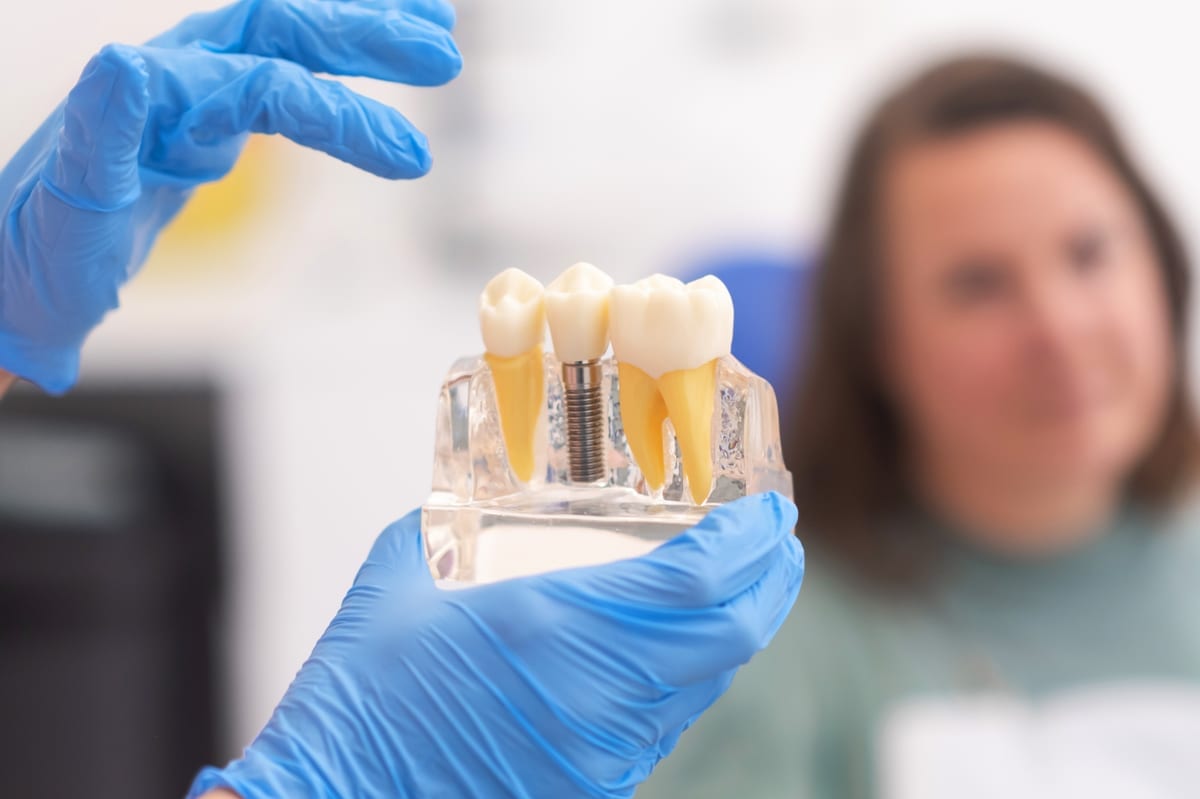
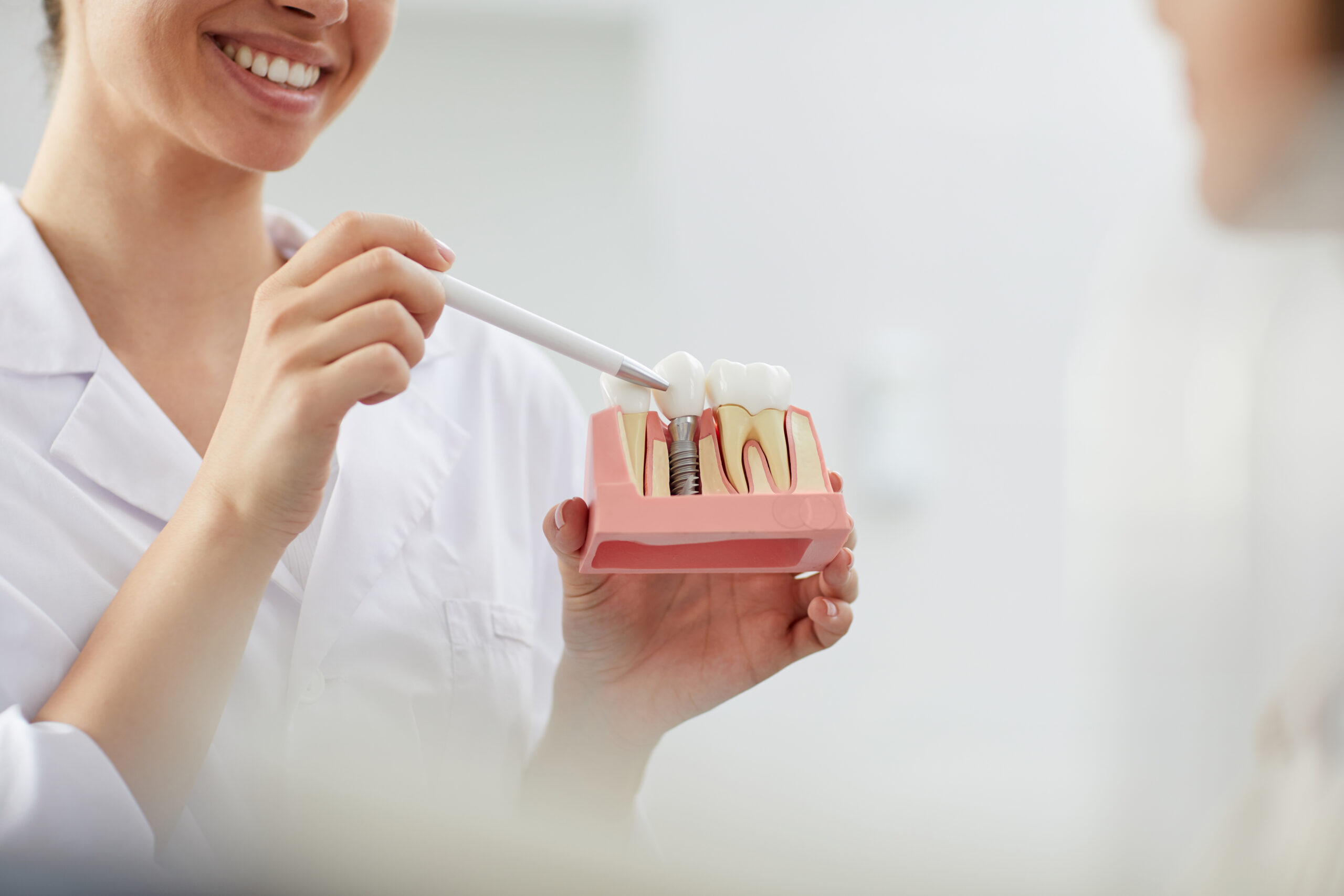
A dental implant is a small titanium post placed into your jawbone. It acts as an artificial tooth root. Over time, your bone fuses around it in a process called osseointegration. This creates a stable foundation for a replacement tooth.
Once the implant is secure, a piece called an abutment is attached on top. The abutment connects the implant post to your final restoration. That restoration is usually a dental crown — a cap that looks and feels like a natural tooth. The result is a permanent, lifelike tooth replacement.
Implants are different from dentures or bridges. They do not rest on your gums or rely on neighboring teeth. This makes them one of the most stable and long-lasting options available. Many patients find they forget the implant is even there.
Common First-Time Anxieties — Addressed Honestly
It is very common to worry about pain during the procedure. Most patients are surprised by how manageable it actually is. Local anesthesia is used to numb the area completely before any work begins. You should feel pressure but not sharp pain.
Some patients worry about the length of the process. The full implant journey can take several months. This is because your jaw needs time to heal and fuse with the post. Rushing this step would compromise the final result, so patience truly pays off.
Others feel anxious about the surgery itself. Our dental team explains every step before beginning. You are never left wondering what comes next. If anxiety is a concern, ask about comfort options during your consultation.
A few patients also worry about how they will look during the healing phase. Temporary restorations are often placed so you are never without a tooth. Healing times vary by individual, but most people return to normal activities quickly. You will not need to pause your spring plans for long.
The Dental Implant Process: Step by Step
Understanding the steps ahead of time reduces stress significantly. Here is a simple overview of what to expect from start to finish.
- Initial Consultation: Our dental team evaluates your oral health, takes X-rays, and discusses your goals. This visit helps determine if you are a good candidate.
- Treatment Planning: A personalized plan is created based on your bone density, gum health, and the number of teeth being replaced.
- Implant Placement Surgery: The titanium post is placed into the jawbone under local anesthesia. This is an outpatient procedure with manageable recovery.
- Healing Period (Osseointegration): Your bone gradually bonds to the implant over several weeks to months. This phase is critical for long-term success.
- Abutment Placement: Once healed, a small connector piece is attached to the top of the implant post.
- Crown Placement: Your custom-made dental crown is secured onto the abutment. This final step completes your new smile.
Each stage is carefully monitored by our dental team. You will always have clear guidance on what to expect next. No step will feel like a surprise.
What to Bring to Your First Dental Implants Consultation
Arriving prepared makes your first visit much smoother. Knowing what to bring helps our team give you the most accurate assessment possible. Here is a helpful checklist for your first appointment at Belmont Dentistry Scottsdale.
- A valid photo ID
- A list of any medications you currently take, including supplements
- Any recent dental X-rays, if you have them
- A list of questions or concerns you want to address
- Information about any medical conditions, especially bone or healing disorders
- Notes on any allergies, particularly to metals or anesthetics
- A trusted friend or family member, if you prefer extra support
Coming prepared means less paperwork stress and more time for meaningful conversation. Our team will review your health history carefully. This helps us create the safest, most effective plan for you.
Caring for Your Implant and What Makes a Good Candidate
Not everyone is an immediate candidate for dental implants. Sufficient jawbone density is one of the most important factors. If bone loss has occurred, a procedure called a bone graft may be recommended first. This builds up the bone so it can properly support the implant.
Good candidates typically have healthy gums and no untreated decay. Non-smokers tend to heal faster and have higher success rates. Certain health conditions may affect healing, which is why a thorough medical review matters. Our team will be honest with you about your individual situation.
Once your implant is in place, caring for it is straightforward. Brush and floss daily just as you would natural teeth. Regular checkups at Belmont Dentistry Scottsdale keep everything in top shape. With proper care, implants can last a lifetime.
As we move through late spring here in Scottsdale, many patients use the pre-summer season to start dental consultations. Graduation season and upcoming summer activities motivate people to invest in their smiles. Starting the implant process now means you could be smiling confidently by late summer. It is a great time to take that first step.
Benefits of Choosing Dental Implants
There are several reasons why dental implants are considered the gold standard for tooth replacement. Understanding these benefits helps you make an informed decision.
- They look, feel, and function like natural teeth
- They preserve jawbone and prevent bone loss over time
- They do not require removal for cleaning like dentures
- They support neighboring teeth by filling the gap left by missing teeth
- They are designed to be a long-term, durable solution
- They can improve speech, chewing ability, and self-confidence
These advantages make implants a worthwhile investment in your overall oral health. Our team at Belmont Dentistry Scottsdale is happy to answer any questions about whether implants are right for you. Learn more about our dental team and how we approach patient care.
Conclusion: You Are Ready for This Next Step
Dental implants may feel intimidating at first, but they are a well-established and highly successful procedure. Millions of people have gone through this process and are thrilled with the results. Our dental team at Belmont Dentistry Scottsdale is experienced, patient, and committed to making your visit comfortable. You do not have to navigate this alone. If you are ready to explore your options, we are here every step of the way. Learn More about how we can help you.
Frequently Asked Questions
How long does the dental implant process take from start to finish?
The full process typically takes between three and nine months. The longest part is the healing phase, where the bone fuses to the implant post. Your individual timeline depends on your bone density, healing speed, and whether preparatory procedures like bone grafts are needed.
Will I be in pain during or after the dental implant procedure?
During the procedure, local anesthesia ensures you feel no sharp pain. Afterward, mild soreness and swelling are common for a few days. Over-the-counter pain relievers are usually sufficient to manage post-procedure discomfort. Most patients find recovery much easier than they expected.
Can dental implants fail, and what causes that?
Implant failure is rare but possible. The most common causes include infection, insufficient bone density, smoking, and certain medical conditions that affect healing. Following your post-procedure care instructions and attending regular checkups greatly reduces any risk of complications.
Are dental implants suitable for everyone with missing teeth?
Not everyone is an immediate candidate. You need adequate jawbone density and healthy gums to support an implant. Patients who have experienced bone loss may need a bone graft first. A thorough consultation helps determine the best path forward for your specific situation.
How do I take care of a dental implant after it is placed?
Care for an implant just like a natural tooth. Brush twice daily, floss regularly, and attend routine dental checkups. Avoid habits like chewing ice or using your teeth as tools. With consistent care, a dental implant can last for decades or even a lifetime.