
BOOK ONLINE


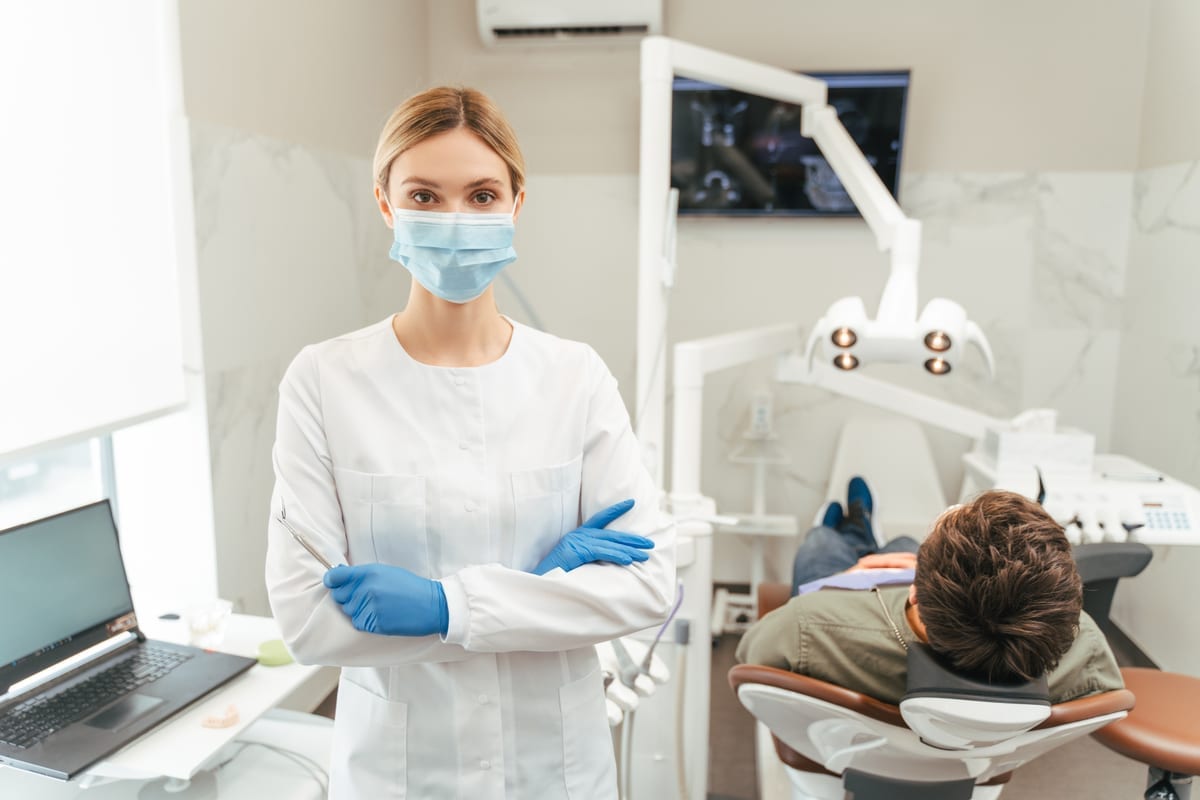
You just left your dental appointment feeling great. Your teeth feel smooth, clean, and fresh. But here’s something most patients don’t realize — your teeth cleaning results won’t last without these simple post-care steps in Peoria. The hours right after your cleaning are critical. What you do next determines how long those results actually hold up.
At Belmont Dentistry Peoria, Dr. Puneet Sandhu sees it often. Patients come in for cleanings and then unknowingly undo the benefits before the day is over. This guide walks you through exactly what to do — and what to avoid — so your smile stays as clean as it felt walking out of our office.
Why the First 24 Hours After Your Teeth Cleaning Matter Most in Peoria
Right after a professional cleaning, your teeth are in a vulnerable state. The polishing process removes surface stain and plaque buildup. But it also temporarily opens microscopic pores in your enamel. During this window, your teeth are more susceptible to staining and sensitivity.
The good news is that your saliva works to remineralize those surfaces. This process usually takes about 24 hours. Protecting your teeth during that window gives your enamel the best chance to fully recover and stay strong.
Dr. Sandhu recommends thinking of the first 24 hours like a reset period. You’ve cleared the slate. Now you want to make sure nothing immediately undoes that work. Simple awareness goes a long way during this time.
Foods and Drinks to Avoid Right After Your Cleaning
One of the most important post-care steps is watching what you consume after your appointment. Your enamel is temporarily more porous, which means pigments from food and drinks absorb more easily. Staining agents can set in faster than you’d expect.
Here are the top items to skip for at least 24 hours after your cleaning:
- Coffee and dark teas
- Red wine and grape juice
- Tomato-based sauces and salsas
- Soy sauce and dark marinades
- Berries and deeply pigmented fruits
- Colored sports drinks and sodas
If you can’t skip your morning coffee entirely, use a straw to minimize contact with your teeth. Rinse with water immediately afterward. Small habits like these protect the clean, bright surface your hygienist just worked hard to create.
Also avoid very hot or very cold foods and drinks if you’re experiencing sensitivity after your cleaning. Sensitivity is normal and usually fades within a day or two. Eating gentler, room-temperature foods helps during that period.
Simple Post-Care Habits That Lock In Your Cleaning Results
Avoiding staining foods is only part of the picture. Actively caring for your teeth in the right way after your cleaning is just as important. Your teeth cleaning results won’t last without these simple post-care steps — and the daily habits you build right after your appointment set the tone going forward.
Follow these steps to protect your freshly cleaned teeth:
- Brush gently that evening — Use a soft-bristled toothbrush with a gentle, circular motion. Your gums may be slightly tender after the cleaning.
- Floss before bed — Flossing removes food debris from between teeth where your brush can’t reach. Don’t skip this step.
- Use fluoride toothpaste — Fluoride helps strengthen enamel and supports remineralization after your cleaning.
- Rinse with water after meals — This simple habit washes away food particles and reduces acid exposure throughout the day.
- Stay hydrated — Drinking water throughout the day in Peoria’s dry desert climate keeps saliva flowing. Saliva is your mouth’s natural defense system.
These steps aren’t complicated. But they make a measurable difference in how long your cleaning results last between appointments.
What Smoking and Certain Habits Do to Your Cleaning Results
If you smoke or use tobacco products, the hours after a cleaning are the worst time to light up. Tobacco stains teeth quickly under normal circumstances. Right after a cleaning, those stains adhere even faster to freshly polished enamel.
Dr. Sandhu recommends avoiding all tobacco products for at least 24 hours following your appointment. Ideally, this is a great moment to use the clean, fresh feeling as motivation to cut back longer-term. Your hygienist and dental team can provide resources and encouragement.
Alcohol-based mouthwashes are another thing to use with caution right after a cleaning. They can cause dryness and mild irritation to already-sensitive gum tissue. If you want to use a mouth rinse, choose an alcohol-free fluoride rinse instead. This supports enamel recovery without causing unnecessary discomfort.
How Cosmetic Dentistry Can Build on Your Cleaning Results
A professional cleaning is often the starting point for patients who want a brighter, more confident smile. Once your teeth are freshly cleaned and free of buildup, your true tooth color becomes visible. Many patients are surprised by how much improvement they see from the cleaning alone.
If you want to go further, Cosmetic Dentistry treatments like whitening and veneers work best on a clean, healthy foundation. Cleaning first ensures that cosmetic treatments bond properly and deliver more even, lasting results. Dr. Sandhu can walk you through options that fit your smile goals.
For patients exploring options across the Valley, Cosmetic Dentistry services are also available at our Scottsdale location. Whether you’re interested in whitening, veneers, or a full smile refresh, the process always starts with a clean, healthy base.
Building a Long-Term Routine That Keeps Your Smile Healthy in Peoria
Post-care steps matter, but they work best as part of a consistent daily routine. Professional cleanings should happen every six months for most patients. Between visits, your at-home habits either protect or undermine the work done at the office.
Living in Peoria means dealing with a dry climate. Low humidity can reduce saliva flow, which increases your risk of plaque buildup and dry mouth. Staying hydrated and using fluoride products regularly helps counteract this effect.
Think of each professional cleaning as a fresh start. The post-care steps you follow immediately after set the standard for the next six months. Small, consistent choices — brushing twice daily, flossing every night, limiting staining foods — compound over time into a noticeably healthier smile.
Dr. Sandhu and the team at Belmont Dentistry Peoria are here to support you every step of the way. From your cleaning appointment to any follow-up care you need, we make dental health straightforward and stress-free. Book Now to schedule your appointment with our team.
Frequently Asked Questions
How soon can I eat after a teeth cleaning?
You can eat right after a routine cleaning in most cases. However, we recommend waiting at least 30 minutes before consuming anything. Avoid staining foods and drinks for the first 24 hours to protect your freshly cleaned enamel from pigment absorption.
Is tooth sensitivity normal after a professional cleaning?
Yes, mild sensitivity is completely normal after a cleaning, especially if you had significant buildup removed or received a fluoride treatment. It typically resolves within 24 to 48 hours. Using a soft-bristled toothbrush and avoiding extreme temperatures during this period helps manage discomfort.
How long do teeth cleaning results last?
With good at-home care, your cleaning results can last the full six months until your next appointment. Brushing twice daily, flossing every night, staying hydrated, and avoiding excessive staining foods all extend the benefits of your professional cleaning significantly.
Can I whiten my teeth right after a cleaning?
A cleaning is actually the ideal time to start a whitening treatment because your teeth are free of surface staining and plaque. Talk to Dr. Sandhu about the best whitening option for your smile. Some patients are advised to wait a day if they have post-cleaning sensitivity.
How often should I get a professional teeth cleaning in Peoria?
Most patients benefit from professional cleanings every six months. Some patients with gum disease or a history of heavy buildup may need cleanings every three to four months. Dr. Sandhu will recommend the right schedule based on your individual oral health needs.