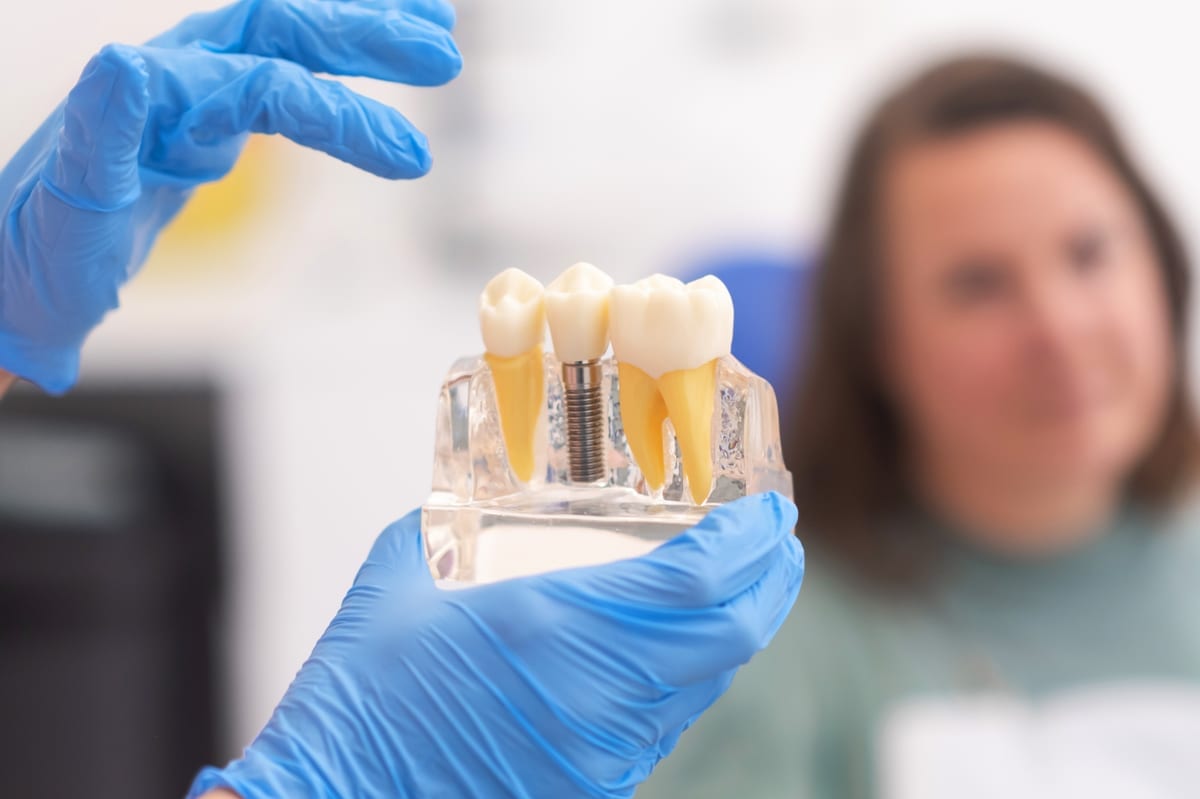
Veneers are one of the most talked-about treatments in Cosmetic Dentistry Scottsdale has to offer. But what exactly are they? Many patients ask Dr. Ambreen Sandhu at Belmont Dentistry Scottsdale the same questions. This guide breaks down veneers explained — what they fix, what they can’t, and why Scottsdale residents keep choosing them for a confident smile.
What Are Dental Veneers?
Dental veneers are thin, custom-made shells bonded to the front surface of your teeth. They are typically made from porcelain or composite resin. Porcelain veneers are the most popular choice because they closely mimic natural tooth enamel.
Each veneer is designed specifically for your tooth shape, size, and color. The result looks natural and blends seamlessly with your surrounding teeth. Dr. Sandhu takes precise measurements and photographs before crafting your veneers.
The process usually takes two to three appointments. Your dentist removes a small amount of enamel, takes impressions, and places temporary veneers while your permanent ones are made. Once ready, the veneers are permanently bonded to your teeth.
What Problems Can Veneers Fix in Scottsdale?
Veneers address a wide range of cosmetic dental concerns. They are especially effective for patients in Scottsdale who want a complete smile transformation without extensive procedures. Understanding what veneers fix is the first step in deciding if they are right for you.
Here are the most common issues veneers can correct:
- Discoloration: Stubborn stains that teeth whitening cannot remove, including those from medications or fluorosis
- Chipped or broken teeth: Minor chips and cracks are covered completely by the veneer shell
- Gaps between teeth: Small spaces can be closed without braces
- Uneven or misshapen teeth: Teeth that appear too small, too short, or oddly shaped
- Mild crowding or alignment issues: Minor irregularities that affect the smile’s overall appearance
- Worn enamel: Teeth that look dull or flattened from grinding or aging
Veneers are popular because they solve multiple issues in one treatment. A patient with both discoloration and minor chips can address everything at once. That efficiency is a big reason Scottsdale patients love them.
What Veneers Cannot Fix — Important Limits to Know
Being informed means understanding limitations, not just benefits. Veneers are cosmetic shells — they do not treat underlying dental health problems. Dr. Sandhu always ensures patients have healthy gums and teeth before recommending veneers.
Veneers are not suitable for every situation. Here is what they cannot address:
- Severe tooth decay: A decayed tooth needs restorative treatment before any cosmetic work
- Gum disease: Active gum disease must be treated and resolved first
- Severely misaligned teeth: Significant bite or alignment issues require orthodontic treatment
- Teeth grinding (bruxism): Heavy grinding can crack or chip veneers over time
- Insufficient enamel: Veneers require enough enamel to bond to securely
- Large cavities or broken roots: These need restorative solutions like crowns or Dental Implants Scottsdale
Understanding these limits protects your investment. If veneers are not the right fit, Dr. Sandhu will recommend an alternative that better suits your needs.
Porcelain vs. Composite Veneers: Which Is Right for You?
Not all veneers are the same material. Your choice affects durability, appearance, and cost. Dr. Sandhu helps each patient evaluate both options based on their goals and dental health.
Porcelain veneers are lab-crafted and highly durable. They resist staining better than composite and typically last 10 to 15 years or longer. The color and translucency look very natural in sunlight.
Composite resin veneers are applied directly to the tooth in a single visit. They cost less upfront but may stain more easily over time. They typically last five to seven years with proper care.
Both options require good oral hygiene to stay looking their best. Regular brushing, flossing, and dental check-ups extend the lifespan of either type significantly.
Why Scottsdale Patients Choose Veneers at Belmont Dentistry
Scottsdale is a city where people care deeply about their appearance and confidence. The active lifestyle, warm weather, and social culture here make a bright, even smile important to many residents. Veneers offer a fast and effective path to that smile.
At Belmont Dentistry Scottsdale, Dr. Ambreen Sandhu takes a personalized approach to every veneer case. She listens carefully to what patients want and provides honest guidance on realistic outcomes. Patients never feel pressured into treatment that is not right for them.
The team uses high-quality porcelain and precise shade-matching technology. This ensures your veneers look natural — not overly white or fake. Many patients say their veneers look better than teeth they were born with.
The consultation process is relaxed and educational. You leave knowing exactly what to expect, what the treatment involves, and whether veneers are the right solution for your smile goals.
What to Expect During the Veneer Process
Knowing the process helps ease any anxiety about getting veneers. Here is a simple breakdown of what happens at each stage:
- Consultation: Dr. Sandhu evaluates your teeth, discusses your goals, and confirms you are a good candidate
- Preparation: A thin layer of enamel is gently removed from the front of each tooth to make room for the veneer
- Impressions: Detailed molds are taken and sent to the dental lab, where your custom veneers are crafted
- Temporary veneers: You wear temporary shells while your permanent veneers are being made
- Bonding: Your permanent veneers are checked for fit and color, then bonded securely to your teeth
- Follow-up: A quick check-in appointment ensures everything feels comfortable and looks perfect
Most patients find the process straightforward and comfortable. Local anesthesia is available for the preparation stage if needed. Many people are surprised by how simple the experience actually is.
Conclusion: Is a Veneer Consultation Right for You?
Veneers are a powerful cosmetic tool when used for the right reasons and the right patients. They fix discoloration, chips, gaps, and uneven teeth beautifully. But they are not a solution for dental health problems or severe structural issues.
Understanding veneers — what they fix, what they can’t, and why Scottsdale patients love them — puts you in the driver’s seat of your smile journey. Dr. Ambreen Sandhu at Belmont Dentistry Scottsdale is here to help you make an informed, confident choice. Book Now to schedule your appointment with our team.
Frequently Asked Questions
How long do dental veneers last?
Porcelain veneers typically last 10 to 15 years or more with proper care. Composite veneers last around five to seven years. Regular dental visits and good oral hygiene extend the lifespan of both types significantly.
Do veneers hurt to get?
Most patients experience little to no discomfort during the veneer process. The enamel removal step can be done with local anesthesia if needed. Some mild sensitivity after placement is normal but usually fades within a few days.
Can veneers be whitened if they stain?
Porcelain veneers are highly stain-resistant and cannot be whitened with traditional whitening treatments. If your natural teeth change shade over time, your dentist can help match your veneers to the surrounding color during a touch-up consultation.
Are veneers reversible?
Veneers are considered a permanent treatment because a thin layer of enamel is removed during preparation. This enamel does not grow back. Once you have veneers, the teeth will always need to be covered by some form of restoration.
What is the difference between veneers and crowns?
Veneers cover only the front surface of a tooth and require minimal enamel removal. Crowns cap the entire tooth and are used when there is more significant damage or structural loss. Dr. Sandhu will recommend the right option based on your specific dental needs.