BOOK ONLINE


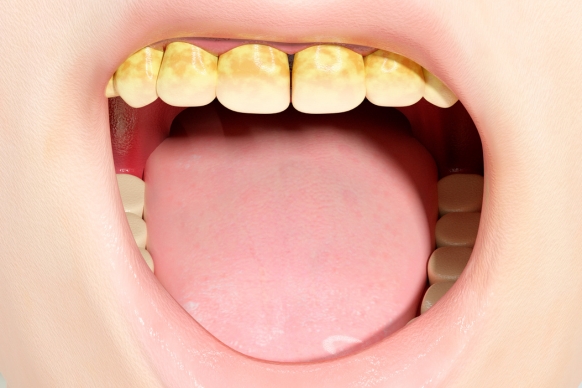
Tooth discoloration is a common issue faced by many individuals. In this blog, we will delve into various available remedies for managing tooth discoloration. Familiarizing yourself with these treatment options can aid in achieving a brighter, whiter smile. Let’s explore effective methods for addressing tooth discoloration. It occurs when teeth become stained or darkened, with several reasons contributing to this condition. Some causes, such as aging, trauma, or illness, are beyond one’s control, while others, like smoking and inadequate oral hygiene, can be prevented.
What is tooth discoloration?
Tooth discoloration refers to the staining or darkening of teeth, which can result from various factors. Some causes are unavoidable, like aging, trauma, or disease, while others are preventable, such as smoking and inadequate oral hygiene.
Types of Tooth Discoloration
Tooth discoloration can be classified into two primary types:
- Extrinsic discoloration: This type affects the outer surface of the teeth, known as enamel. Exposure to specific environmental factors, like certain foods and beverages, results in extrinsic discoloration.
- Intrinsic discoloration: This type originates within the tooth, impacting the dentin, which is the layer beneath the enamel. Causes of intrinsic discoloration may include dental trauma and the use of certain medications.
What are the most common causes of discolored teeth?
Tooth discoloration stems from various factors, some of which are preventable, while others are unavoidable. Causes that can be avoided encompass:
- Dark-colored foods and beverages: The regular consumption of items like coffee, tea, berries, red wine, and soy sauce over time can lead to teeth staining.
- Smoking and other tobacco use: Research indicates a higher prevalence of tooth discoloration among individuals who smoke compared to non-smokers.
- Poor oral hygiene: Stains tend to adhere to dental plaque, and neglecting regular brushing and flossing increases the likelihood of developing discolored teeth.
- Excessive fluoride: While fluoride is beneficial for preventing cavities, consuming high levels during childhood may result in fluorosis, characterized by white spots on tooth enamel.
Causes of unavoidable tooth discoloration include:
- Genetics: Natural variations in tooth color, brightness, and translucency exist among individuals.
- Dental trauma: Injuries from falls, car accidents, or sports-related incidents can cause trauma leading to tooth discoloration.
- Aging: As tooth enamel thins with age, the underlying dentin, which has a yellowish tint, becomes more exposed, contributing to a gradual appearance of tooth discoloration.
- Dental treatments: Certain dental materials, such as silver amalgam used in metal fillings, can give teeth a grayish hue. Root canal therapy may also result in tooth discoloration in some cases.
- Certain diseases: Health conditions like liver disease, celiac disease, calcium deficiency, eating disorders, and metabolic diseases can cause teeth discoloration.
- Certain medications: Some drugs, including specific antihistamines and those prescribed for high blood pressure, may lead to tooth discoloration. Additionally, individuals who took tetracycline or doxycycline (both antibiotics) during childhood might experience tooth discoloration.
- Cancer treatments: Chemotherapy or radiation therapy to the head and neck region can be associated with tooth discoloration.
Different color meanings
At times, the color of tooth stains can provide valuable information about their underlying causes:
- Yellow stains often result from the consumption of dark-colored foods or beverages. This may also indicate a need for improved oral hygiene.
- Brown teeth discoloration is typically associated with smoking or using chewing tobacco. If accompanied by brown stains and pitting (small holes), it may indicate untreated tooth decay.
- Purple teeth stains are commonly observed in individuals who consume a significant amount of red wine.
- Gray tooth discoloration may suggest that the nerve inside the tooth has died, often due to dental trauma.
- White flecks on the teeth could indicate dental fluorosis, signifying high fluoride consumption during childhood when the teeth were developing.
- Black spots on the teeth typically point to areas of severe decay.
Care and Treatment
Dentists employ a variety of treatments for tooth discoloration, taking into consideration the underlying cause and whether the stains affect the outer or inner layers of your teeth.
Teeth Whitening
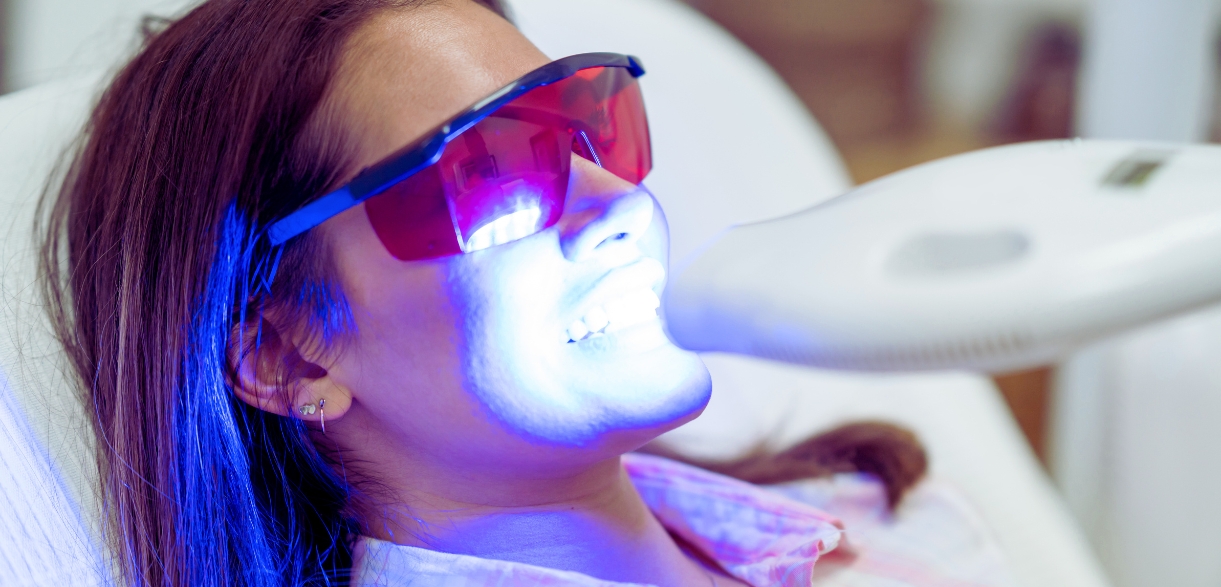
Dental professionals offer professional teeth whitening treatments either in the office or through at-home methods. These treatments, utilizing hydrogen peroxide or carbamide peroxide, aim to break up and lift stains from the teeth. While professional whitening is most effective for surface (extrinsic) stains, certain products can also address deep dental (intrinsic) stains. In-office bleaching typically takes about an hour, while most take-home whitening treatments involve daily sessions lasting 30 to 60 minutes over up to six weeks. Each option has its pros and cons, and your dentist can guide you in choosing the right one for you.
Dental Bonding
For deep tooth discoloration resistant to whitening, dental bonding may be recommended. This procedure involves the application of tooth-colored composite resin to conceal discolored teeth. While more cost-effective than alternatives like porcelain veneers, bonding may require touch-ups every five to seven years and may not be suitable for multiple discolored teeth.
Porcelain Veneers
In cases of widespread tooth discoloration unresponsive to whitening, porcelain veneers offer a solution. These thin yet durable ceramic shells are permanently bonded to the front surfaces of teeth, concealing discoloration and addressing cosmetic issues like chipping or misshapen teeth. Veneers typically need replacement every five to 15 years and are irreversible.
Dental Crowns
When tooth discoloration is accompanied by cavities, dental crowns may be recommended. Crowns are tooth-shaped caps that fit over weakened or decayed teeth, protecting them from further damage. In addition to enhancing appearance, dental crowns contribute to the overall health and function of the teeth. Replacement may be necessary over time.
How can I fix discolored teeth at home?
Over-the-counter (OTC) teeth whitening treatments are readily available in the oral health sections, including rinses, pastes, strips, and do-it-yourself bleaching trays.
While some OTC products are safe and effective, others have the potential to damage enamel, making teeth more susceptible to cavities and erosion. It is crucial to consult with your dentist before purchasing any such products.
In general, it is advisable to avoid products containing:
- Baking soda (sodium bicarbonate).
- Activated charcoal.
- Citric acid.
When selecting teeth whitening products, prioritize those with the ADA Seal of Acceptance. This certification indicates that experts have tested the safety and effectiveness of the products, confirming their suitability for use.
Can I prevent tooth discoloration?
While it’s not possible to prevent deep dental stains resulting from trauma, medications, or health conditions, there are measures you can take to minimize the risk of everyday surface discoloration:
- Brush your teeth two to three times a day using a soft-bristled brush and ADA-approved fluoride toothpaste.
- Floss between your teeth once a day.
- Limit the consumption of foods and drinks that can stain teeth, such as tea, coffee, cola, and red wine.
- Consume plenty of water and rinse your mouth after consuming beverages that may lead to tooth discoloration.
- Quit smoking.
- Maintain regular dental visits for routine cleanings and examinations.
Tooth color can vary significantly among individuals. Having teeth of a different color than others does not necessarily indicate an issue. If teeth discoloration causes discomfort or self-consciousness, Dr. Puneet Sandhu, DDS, a trusted cosmetic dentist in Scottsdale, offers solutions to enhance your smile.