
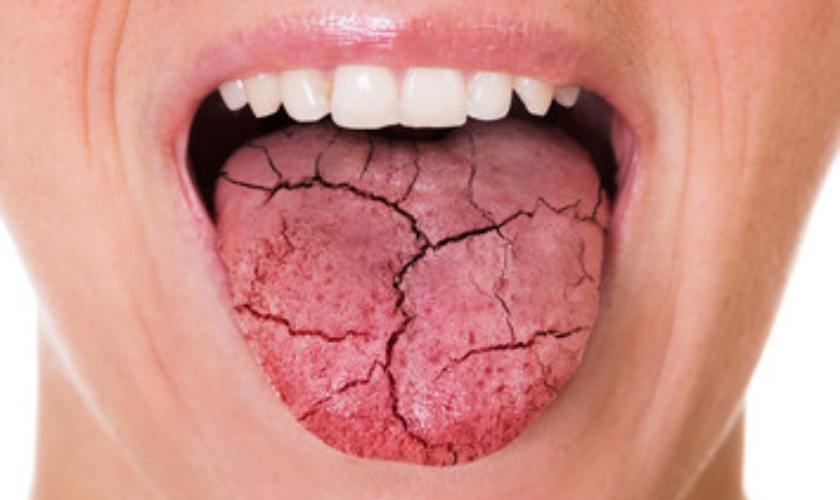
Dry mouth, medically known as xerostomia, is a common issue many people experience after surgery. It can be more than just a minor annoyance, leading to complications such as difficulty swallowing & speaking and an increased risk of dental problems. Understanding the causes of dry mouth after surgery is essential for managing this condition and improving recovery. This blog will delve into the various factors that contribute to dry mouth following surgery and offer tips for managing it.
Understanding Dry Mouth
A dry mouth occurs when the salivary glands in the mouth do not produce enough saliva. Saliva is crucial for maintaining oral health as it helps to cleanse the mouth, digest food, and prevent infections by controlling bacteria and fungi in the mouth. When saliva production is reduced, it can lead to symptoms such as:
- A sticky, dry feeling in the mouth and throat
- Trouble chewing, swallowing, and speaking
- A burning sensation in the mouth
- Cracked lips
- A dry, rough tongue
- Mouth sores
- Bad breath
Causes of Dry Mouth After Surgery
1. Anesthesia
One of the primary causes of dry mouth after surgery is the use of anesthesia. General anesthesia can suppress the nervous system, including the nerves that stimulate salivary gland function. This suppression can lead to reduced saliva production during and after the procedure. Additionally, the medications used to induce anesthesia can have a drying effect on the mouth and throat.
2. Medications
Medications given before, during, and after surgery can contribute significantly to dry mouth. These include:
- Pain relievers: Opioids and other pain medications can reduce saliva production.
- Anticholinergics: Used to reduce secretions during surgery, these drugs can inhibit saliva production.
- Antihistamines and decongestants: Often used to manage allergies and cold symptoms, these can dry out mucous membranes.
- Muscle relaxants: Administered during surgery to facilitate intubation and surgery, they can also reduce saliva production.
3. Dehydration
Surgical procedures often require fasting, which can lead to dehydration. Additionally, blood loss during surgery and the use of certain medications can further contribute to dehydration. Dehydration reduces the body’s overall fluid levels, including saliva production.
4. Mouth Breathing
Post-surgery, patients may find themselves breathing through their mouths rather than their noses, especially if nasal passages are blocked or if the patient is intubated. Mouth breathing can quickly dry out the mouth, leading to xerostomia.
5. Nerve Damage
In some cases, surgery, especially head and neck surgeries, can damage the nerves that control the salivary glands. This nerve damage can result in long-term or permanent dry mouth if the glands are unable to receive the proper signals to produce saliva.
Treatment for Dry Mouth After Surgery
Treatment for dry mouth after surgery primarily focuses on alleviating symptoms and promoting saliva production. Here are some effective strategies:
- Saliva Substitutes: Over-the-counter saliva substitutes come in various forms, including sprays, gels, and mouth rinses. These products mimic the natural lubricating properties of saliva and provide temporary relief from dry mouth symptoms.
- Prescription Medications: In severe cases of dry mouth, your healthcare provider may prescribe medications that stimulate saliva production. These medications, such as pilocarpine or cevimeline, work by activating the salivary glands.
- Artificial Salivary Glands: Recent advancements in medical technology have led to the development of artificial salivary glands. These devices are implanted surgically and release moisture into the mouth to alleviate dryness.
- Hydration: Drinking plenty of water is essential for maintaining hydration and promoting saliva production. Sipping water throughout the day can help keep the mouth moist and alleviate dry mouth symptoms.
- Humidifiers: Using a humidifier in your home, especially in the bedroom while sleeping, can add moisture to the air and help prevent dry mouth.
- Chewing Sugar-Free Gum or Lozenges: Chewing sugar-free gum or sucking on sugar-free lozenges stimulates saliva production and helps keep the mouth moist. Look for products containing xylitol, a sugar alcohol that can stimulate saliva flow.
- Avoiding Irritants: Certain substances can worsen dry mouth symptoms. Avoid tobacco, caffeine, alcohol, and spicy or acidic foods, as they can further irritate the mouth and exacerbate dryness.
- Oral Hygiene: Maintaining good oral hygiene is crucial for preventing complications associated with dry mouth, such as tooth decay and gum disease. Brush your teeth at least twice a day with fluoride toothpaste and floss daily. Use an alcohol-free mouthwash to rinse your mouth and keep it clean.
- Moisturizing Products: Applying moisturizing products, such as lip balm or petroleum jelly, to the lips can help prevent dryness and cracking.
- Regular Dental Checkups: Schedule an appointment for regular dental checkups to monitor your oral health and address any issues related to dry mouth, such as cavities or gum inflammation.
Dry mouth after surgery is a common but manageable condition. Understanding the causes, such as anesthesia, medications, dehydration, mouth breathing, and nerve damage, can help in addressing the issue effectively. By staying hydrated, using saliva substitutes, maintaining a good oral hygiene routine, and following other management tips, you can alleviate the discomfort associated with dry mouth and ensure a smoother recovery process. Always consult with your dental provider for personalized advice and treatment options.