BOOK ONLINE



A bright, healthy smile is a reflection of overall well-being. But lurking beneath that pearly white surface can be hidden enemies – dental plaque and tartar. These two culprits can wreak havoc on your oral health if left unchecked. This article delves into the world of plaque and tartar, explaining their differences, their impact on your teeth and gums, and how to keep them at bay with the help of a Scottsdale dentist.
Dental Plaque: The Sticky Troublemaker
Plaque is a sticky, colorless film that constantly forms on your teeth throughout the day. It’s a biofilm, a complex community of bacteria, food particles, and saliva. These bacteria feed on sugars and starches left behind from food and drinks, especially sugary or starchy ones. As they feast, they produce acids that erode tooth enamel, the hard outer layer of your teeth.
The Dangers of Plaque Buildup
If plaque isn’t removed regularly through proper brushing and flossing, it can harden over time, transforming into a more sinister foe – tartar, also known as calculus.
Tartar: The Calcified Threat
Tartar is a hard, mineralized deposit that forms on teeth, typically above and below the gum line. It’s much more difficult to remove than plaque and requires professional dental cleaning. Tartar acts as a shield for bacteria, making it harder to remove plaque and increasing the risk of:
- Cavities: The acids produced by plaque bacteria erode tooth enamel, leading to cavities.
- Gum Disease: The constant irritation from plaque and tartar buildup can inflame the gums, leading to gingivitis (early gum disease). Left untreated, this can progress to periodontitis, a severe gum infection that damages the bone supporting your teeth and can even lead to tooth loss.
- Bad Breath: The decaying food particles trapped in plaque and tartar contribute to bad breath (halitosis).
Signs You Might Have Plaque or Tartar Buildup
- Visible film on teeth: A thin, sticky film on your teeth, especially near the gum line, could be plaque.
- Yellowing or brownish stains: Tartar often appears yellow or brown and can be visible above or below the gum line.
- Swollen, red, or bleeding gums: Inflamed gums can be a sign of gingivitis, often caused by plaque and tartar buildup.
- Persistent bad breath: If brushing and flossing don’t eliminate bad breath, it could be due to plaque and tartar buildup.
Fighting Back: Strategies for Plaque and Tartar Control
The good news is that plaque and tartar are preventable and manageable. Here’s how to keep your smile healthy:
- Brushing: Brushing your teeth twice a day for two minutes each time, with a soft-bristled toothbrush and fluoride toothpaste, is crucial for removing plaque. Use a gentle circular motion and reach all surfaces of your teeth, including the gum line.
- Flossing: Flossing daily removes plaque and food particles from between your teeth, where brushing can’t reach.
- Healthy Diet: Limiting sugary and starchy foods reduces the fuel source for plaque bacteria. Focus on a balanced diet rich in fruits, vegetables, and whole grains.
- Regular Dental Checkups and Cleanings: Visiting your nearest dental office for regular checkups and cleanings is vital. Professional cleanings remove hardened tartar and plaque that brushing and flossing can’t reach.
The Power of Professional Dental Care
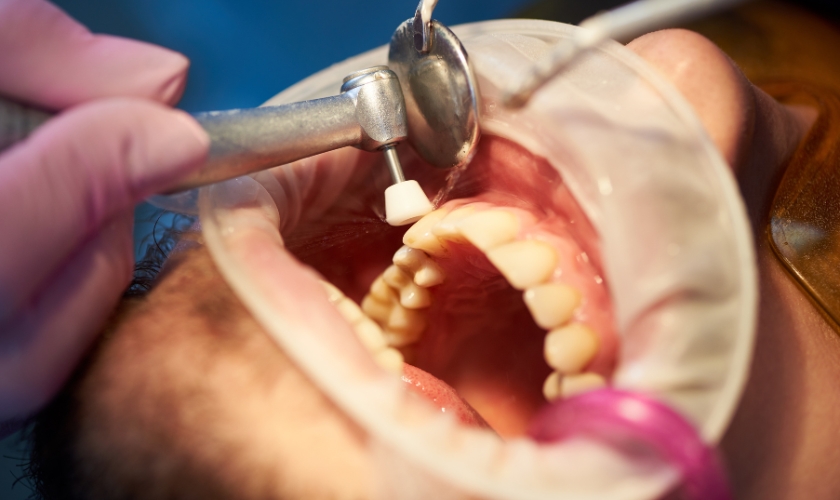
Brushing and flossing regularly are important, but plaque and tartar buildup can still happen. Dr. Puneet Sandhu, DDS, a trusted dentist in Scottsdale, AZ, can effectively remove tartar with specialized tools, preventing gum disease and promoting overall oral health. They can also identify any early signs of cavities or gum disease and treat them promptly to avoid further complications.
By following these preventive steps and working with a dentist, you can keep plaque and tartar under control and maintain a healthy, beautiful smile for years to come. Remember, a little effort now can save you from bigger problems later!