BOOK ONLINE



Your smile is a big part of how you present yourself for that first impression. But chips and cracks can draw away from the brilliance of your natural smile and make you feel somewhat self-conscious. Whether due to an accidental fall, biting into something hard, or natural wear, these imperfections can damage your self-esteem and confidence. Veneers, fortunately, offer a quick route to an effective solution for restoring symmetry and strength to your smile. You can cover up chips and cracks with veneers while enhancing your teeth’s look with a flawless, natural-looking finish.
From chipped or cracked teeth to a variety of imperfections, veneers can solve a range of issues in your mouth. These are customized, thin shells that cover the front surface of your teeth, masking flaws and restoring symmetry. Whether porcelain veneers or composite veneers are considered for your cosmetic treatment, you will be able to brighten up and balance your smile. Dr. Puneet Sandhu is a highly trained cosmetic dentist who believes in every aspect of veneer placement to ensure your smile not only looks fantastic but also feels like your own.
How Veneers Correct Chips and Cracks?
One of the best treatments for chips and cracks in teeth is veneers. This non-invasive treatment will improve your teeth both aesthetically and functionally. If you have chipped or cracked teeth, a veneer covers the imperfection, restoring the shape and size of your tooth so it appears just like the rest.
For slightly chipped teeth, composite veneers can be directly applied to the tooth surface in a single visit. In the case of severe chips or splits, porcelain veneers may be the best option, as they are more durable and can last much longer.
The veneers in Peoria, Arizona, are applied by reshaping the damaged tooth and bonding a thin veneer to the surface. This helps restore tooth function and appearance while keeping the treatment as conservative as possible.
The Veneers Process: What to Expect?
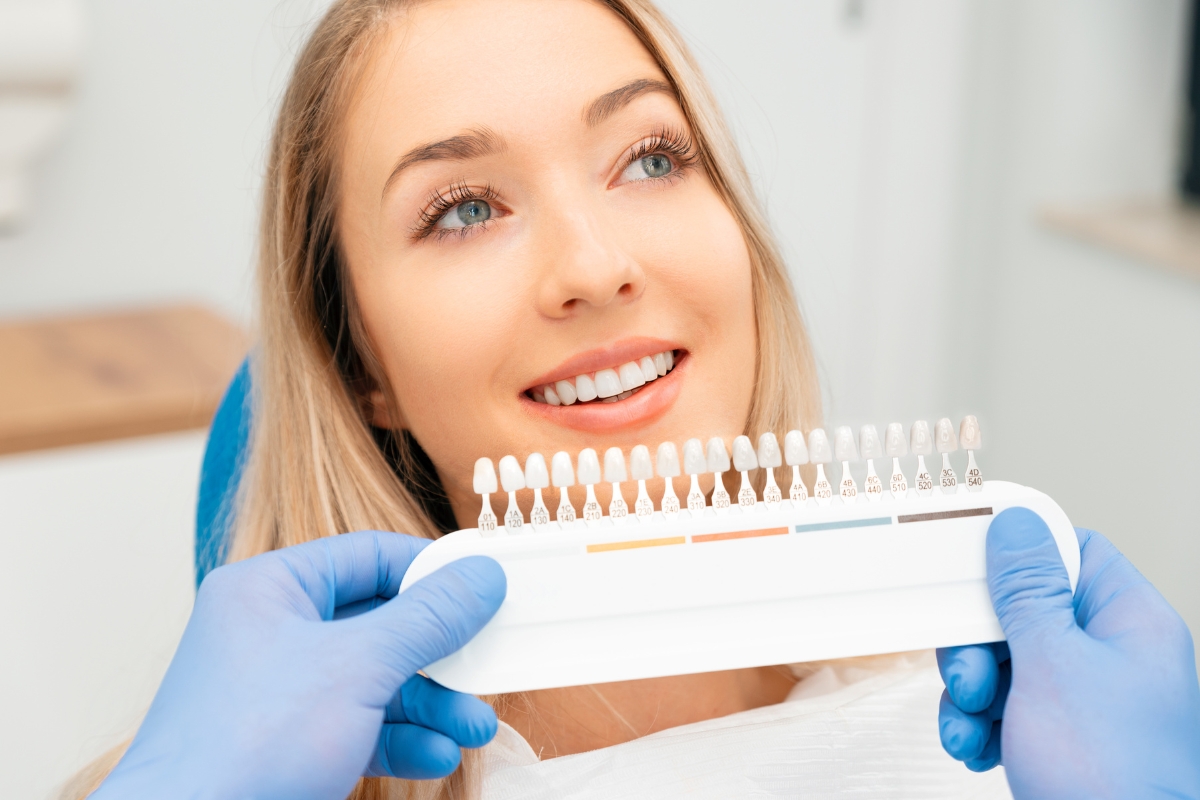
Getting veneers is a quite simple process that requires two to three visits to your cosmetic dentist. Dr. Puneet Sandhu will first evaluate your dental health, the chips or cracks in your teeth, and your overall smile goals. During an initial consultation, he will discuss whether porcelain or composite veneers are best suited to your needs.
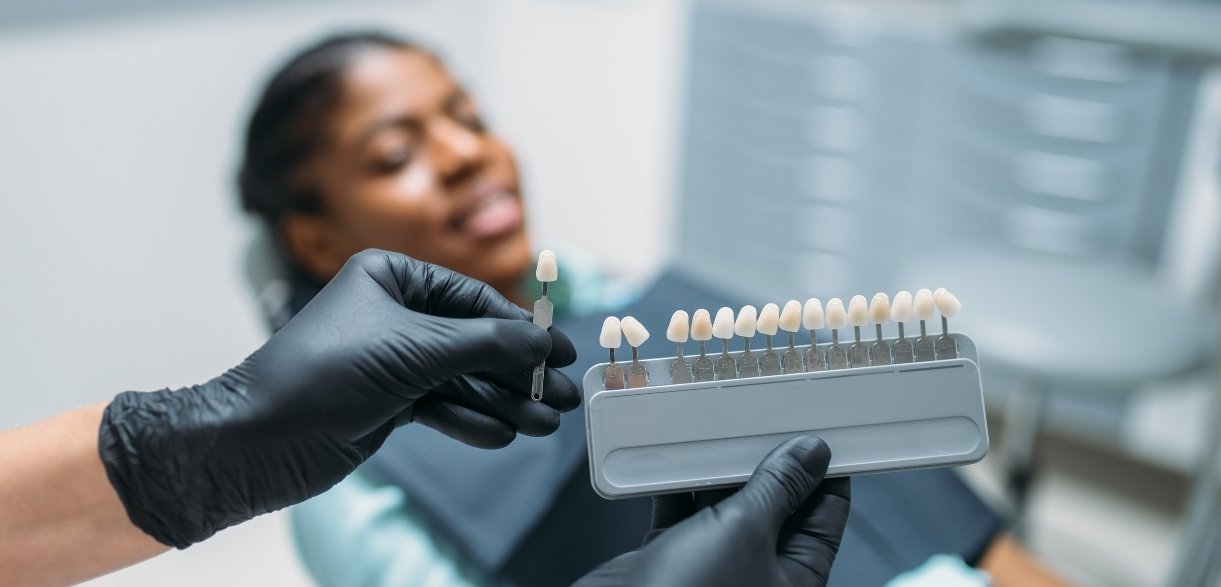
- Consultation and Planning: Dr. Sandhu will evaluate your teeth and make impressions to plan your veneers. This is an essential stage to ensure the veneers fit and match your current teeth.
- Tooth Preparation: A small amount of enamel is generally shaved off the front of the tooth to make room for the veneer. This is a fast procedure and relatively painless; most patients opt for local anesthesia to assure comfort.
- Bonding the Veneer: Once the veneer is ready, Dr. Sandhu will place it over the prepared tooth to check its fit and determine whether any adjustments are needed. After ensuring that the veneer matches your natural smile, it is then permanently bonded to the tooth by using a light-activated dental bonding material.
Types of Veneers for Chips and Cracks
Depending on needs and the severity of the damage, veneers have to be made of the right material. Veneers come in two main types: porcelain and composite.
Porcelain Veneers
These are the most robust and realistic options for chips and cracks in teeth. Translucent, just like natural teeth, porcelain veneers resist stains. They are the best option for those with more pronounced chips or cracks in their teeth and can last many years if well cared for.
Composite Veneers
Composite veneers are much more affordable and may be applied directly onto the tooth in a single visit. They work best for minor chips and cracks. It is a faster way to restore one’s smile.
While both are great options, porcelain veneers are still considered better for severe imperfections because they are more durable and cosmetically appealing.
Benefits of Veneers for Chipped and Cracked Teeth
Veneers offer a host of advantages for people looking to correct imperfections. Here are just some of the reasons why veneers can be such an excellent solution:
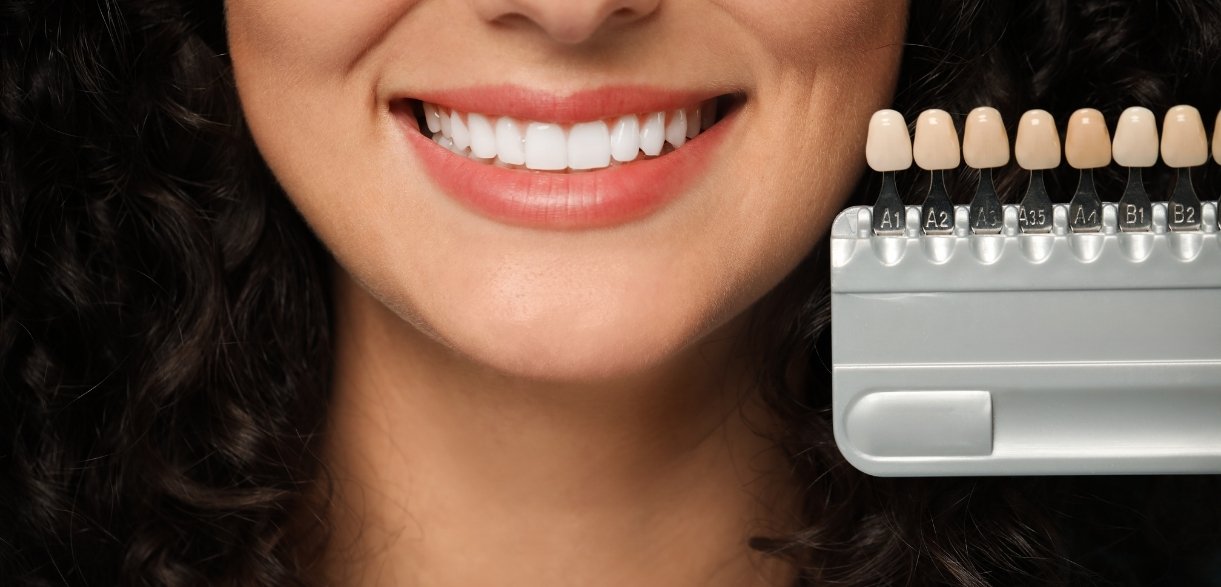
- Restores Aesthetic Symmetry: Veneers are custom-designed to match the shape, size, and color of your natural teeth. They can correct uneven teeth, chips, and cracks, thus creating a much more balanced and symmetrical smile.
- Long-lasting Results: Porcelain veneers are particularly durable and can survive for 10 to 15 years with proper care. That makes them a long-term investment in your smile.
- Low Maintenance: Veneers are treated like natural teeth. Regular brushing and flossing; avoid chewing hard objects, as this could dislodge veneers.
- Boosts Confidence: A repaired smile makes you more confident and comfortable in both personal and professional settings.
Take the First Step to a Restored Smile
Veneers can change your life, whether you have chipped or cracked teeth that do not give you the smile you deserve. They restore symmetry, improve appearance, and provide long-lasting results that will enhance your overall dental health and boost your self-esteem. Dr. Puneet Sandhu strives to provide personalized, quality veneer treatments to help you get the smile you have always wanted.
Ready to restore balance to your smile and the confidence that goes with it? See Dr. Puneet Sandhu today for a consultation. Let us guide you through your options for choosing the right veneer for you, whether porcelain or composite. We at Belmont Dentistry Peoria are dedicated to making you feel your best with a smile that truly reflects you.
FAQs
- How long do veneers last?
Porcelain veneers can last between 10-15 years with proper care, making them a long-term investment for your smile. Composite veneers generally last 5-7 years, but may need to be replaced sooner due to wear and tear. - Are veneers painful?
The veneer procedure is generally pain-free, with most patients experiencing minimal discomfort. Local anesthesia is used during the preparation process to ensure you stay comfortable so that you won’t feel any pain during the procedure. - How do I care for my veneers?
Caring for your veneers is simple: brush twice a day, floss daily, and avoid biting on hard objects. Proper oral hygiene is essential to ensure your veneers stay intact and keep your smile looking great for years. - Can veneers fix all types of dental imperfections?
Veneers are effective at correcting common dental issues such as chips, cracks, gaps, and discoloration. However, more severe problems, such as significant misalignment or tooth decay, may require additional treatments or alternative solutions. - Are veneers reversible?
Veneers are not reversible once they are bonded to your teeth. Since a small amount of enamel is removed during the preparation process, it’s essential to have a thorough consultation to ensure they are the best option for your dental needs.