BOOK ONLINE


Many patients in Scottsdale ask the same question before committing to veneers. Will your veneers look fake? What modern shade matching actually achieves in Scottsdale might surprise you. Today’s porcelain veneers are nothing like the thick, opaque shells of the past. With advanced materials and precise color-matching techniques, natural-looking results are absolutely achievable.
The fear of walking away with a bright, unnatural smile is completely valid. Nobody wants teeth that look like bathroom tiles. But understanding how modern cosmetic dentistry works can put those concerns to rest.
Why Veneers Used to Look Fake — And Why That Has Changed
Older veneer technology relied on thick porcelain with limited translucency. That created a flat, artificial appearance that looked nothing like real enamel. Patients could spot those smiles from across the room.
Today’s veneers use ultra-thin porcelain that mimics the light-reflecting properties of natural teeth. The material bends and diffuses light the same way enamel does. This gives veneers a depth and dimension that older versions simply could not replicate.
Digital shade-matching technology has also improved dramatically. Dentists no longer rely solely on visual judgment. Computer-assisted tools measure light wavelengths and compare them against your existing teeth. The result is a far more precise and consistent color match.
How Shade Matching Works in Modern Cosmetic Dentistry in Scottsdale
Shade matching starts well before any porcelain is ordered. Dr. Ambreen Sandhu evaluates your natural tooth color under multiple lighting conditions. This matters because teeth look different under office lighting versus natural sunlight.
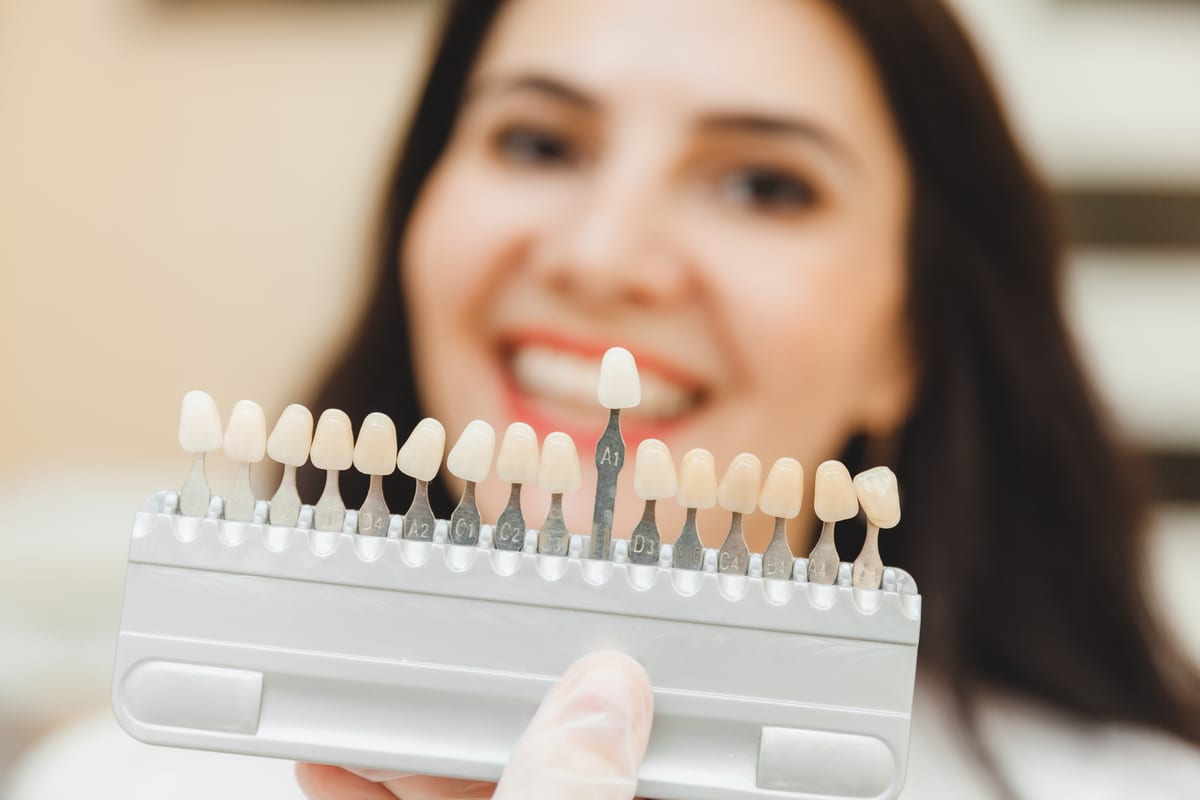
A shade guide with dozens of color samples is used to identify your baseline. But modern practices go further than that. Digital photography captures the exact hue, value, and chroma of your teeth. That data is then shared directly with the dental lab creating your veneers.
This process ensures the lab technician understands exactly what you and your dentist are looking for. Communication between the dentist and lab is critical. Small mismatches in color or translucency can make veneers stand out awkwardly against surrounding teeth.
- Shade guides with 20+ color options ensure precise baseline matching
- Digital photography captures hue, value, and chroma accurately
- Lab communication translates your goals into physical porcelain
- Multiple lighting environments are evaluated before finalizing color
At Belmont Dentistry Scottsdale, the team uses this layered approach for every veneer case. Patients who explore Cosmetic Dentistry options with Dr. Sandhu receive a thorough shade consultation before any treatment begins.
The Role of Translucency in Creating a Natural Smile
Translucency is one of the most overlooked factors in natural-looking veneers. Real teeth are not solid white. They have varying degrees of transparency, especially near the edges. That subtle variation is what makes a smile look alive rather than painted on.
High-quality porcelain veneers are layered in different densities to reproduce this effect. The body of the veneer may be more opaque to reflect color. The incisal edge — the biting edge — is thinner and more translucent. This layering creates depth that matches natural enamel beautifully.
Patients who want a whiter smile can still achieve it without looking artificial. The key is choosing a shade that has the right brightness without sacrificing natural variation. A skilled cosmetic dentist knows how to balance these elements effectively.
- Translucency near biting edges mimics real enamel structure
- Layered porcelain creates visible depth in the final result
- Brightness can be increased without eliminating natural variation
- Customized opacity levels are set for each individual patient
What to Expect During Your Veneer Consultation at Belmont Dentistry Scottsdale
Your consultation is the foundation for a great outcome. Dr. Sandhu takes time to understand your smile goals before recommending any treatment. She listens carefully to your concerns about looking natural versus overly white.
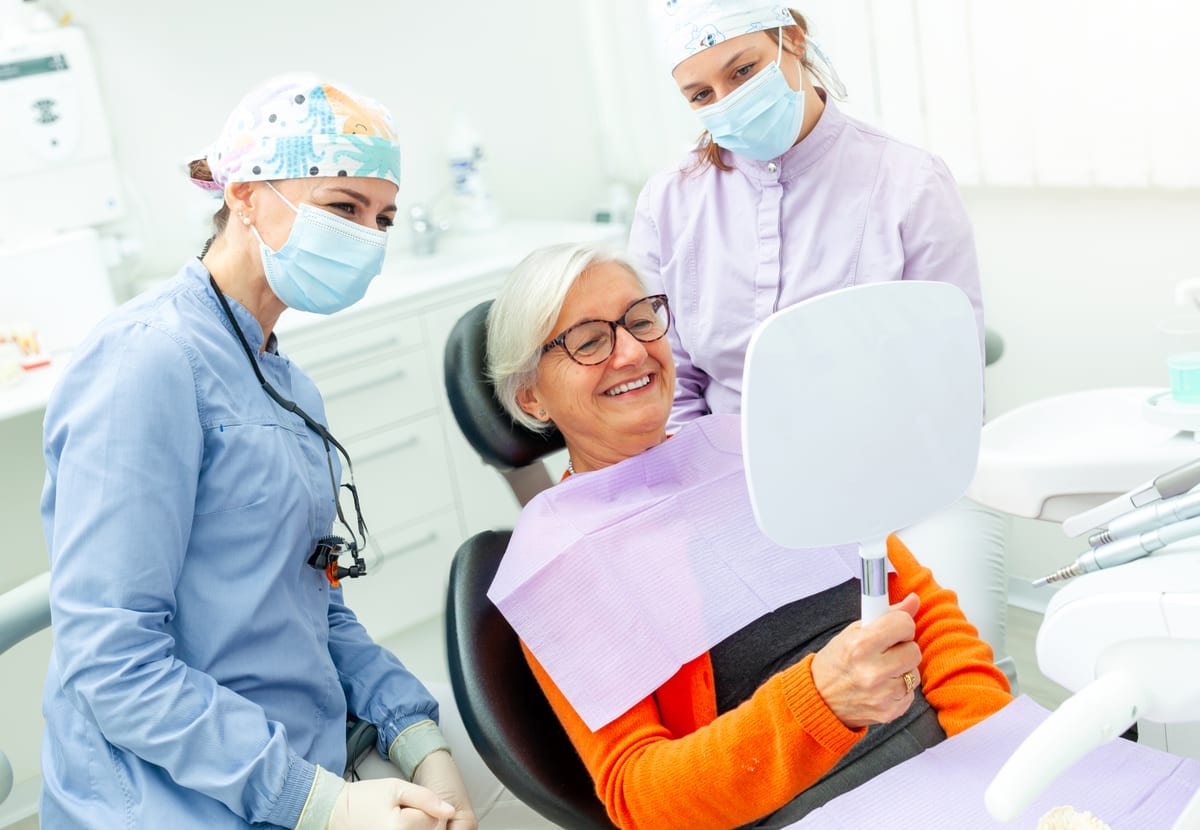
During the consultation, you will review shade options together. Digital imaging may show you a preview of potential results. You can ask questions and adjust your preferences before anything is finalized. This collaborative approach reduces anxiety and builds confidence in the process.
Patients considering veneers as part of a broader smile transformation often explore Cosmetic Dentistry treatments like teeth whitening or bonding alongside their veneer plan. Combining treatments can create even more seamless and natural results.
The preparation appointment involves minimal tooth reduction with modern ultra-thin veneers. Many patients are surprised by how conservative the process has become. Temporary veneers are placed while your permanent ones are crafted at the lab.
Common Concerns About Veneer Appearance — Answered
Patients often worry that their veneers will be too white for their face or skin tone. This is a legitimate concern and one that Dr. Sandhu addresses directly. The shade selection process accounts for your overall complexion, not just your teeth in isolation.
Another common concern involves matching veneers to teeth that are not being treated. If you only want veneers on your front six teeth, the surrounding teeth must be considered. The lab technician creates porcelain that blends seamlessly with your natural color on either side.
Some patients also worry about changes in how their teeth feel. Ultra-thin veneers require very little enamel removal. Most patients adjust to the feel within a few days. Sensitivity, if any, is usually mild and temporary.
Frequently Asked Questions
Will my veneers look obviously fake to other people?
Modern veneers are designed to look indistinguishable from natural teeth. Advanced shade matching and translucent porcelain replicate the light behavior of real enamel. Most people will simply notice that your smile looks great, not that you have veneers.
How do dentists match veneer color to my existing teeth?
Dentists use shade guides, digital photography, and computer-assisted tools to measure your tooth color accurately. That information is shared with the dental lab, which crafts porcelain to match your specific hue, value, and translucency. The result is a highly personalized color match.
Can I choose how white I want my veneers to be?
Yes, you have input on your final shade. Dr. Sandhu will guide you toward shades that complement your skin tone and look natural. Going too white can create an artificial appearance, so the goal is to find the right balance for your individual look.
How long do porcelain veneers typically last?
Porcelain veneers typically last between 10 and 20 years with proper care. Brushing, flossing, and attending regular dental checkups help extend their lifespan. Avoiding habits like nail biting or chewing ice also protects the porcelain from chipping.
Is the veneer process painful or uncomfortable?
Most patients experience little to no discomfort during the veneer process. Local anesthesia is used during tooth preparation to ensure comfort. Any mild sensitivity after placement usually resolves within a few days as you adjust to the new veneers.
If you have been wondering whether veneers can actually look natural, the answer is yes. Modern shade matching and translucent porcelain have transformed what is possible in cosmetic dentistry. Dr. Ambreen Sandhu and the team at Belmont Dentistry Scottsdale are here to help you explore your options with confidence. Book Now to schedule your appointment with our team.