
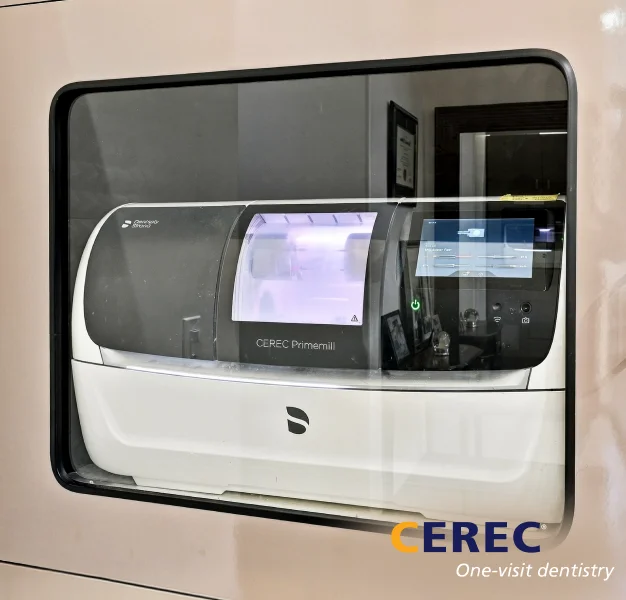
Same Visit Ceramic Restorations Made Possible by CEREC
Restoring a damaged tooth with a crown, onlay, inlay, or veneer traditionally meant multiple appointments and a stretch of waiting in between, often with a temporary restoration in place to get by. CEREC changes that by designing and milling a custom ceramic restoration right in the office, often finishing a treatment that used to take weeks in a single visit. At Belmont Dentistry in Scottsdale, this technology means less time in the chair and fewer trips back to the office for many common restorative treatments.
Who Can Benefit from CEREC Technology
Almost anyone who needs a ceramic restoration is a good candidate for CEREC, which makes it a versatile option across many restorative and cosmetic treatments. A small number of patients are not ideal candidates, including those with a history of breaking ceramic restorations or a particularly deep bite, and these cases are identified during an exam before treatment is planned. For most patients, CEREC restorations have a strong track record, with research showing many lasting well beyond the five-year mark the technology was originally tested to.
Advantages of CEREC Technology
Because the entire restoration is designed and created in one visit, CEREC offers a number of advantages over a traditional lab-made restoration.
- No temporary restoration needed while a permanent one is made
- High-quality ceramic material that closely matches natural tooth color
- A minimally invasive approach that preserves more of the natural tooth
- Fewer injections and less overall discomfort during treatment
- Fewer dental visits needed to complete treatment
- Lower overall cost in many cases due to fewer appointments
- Long-lasting, biocompatible restorations suited for everyday use
How the CEREC System Works
From preparing the tooth to walking out with a finished restoration, the entire CEREC process typically happens in a single appointment.

Preparing the Tooth – Any decay or damage is removed, and the tooth is carefully shaped to receive the new restoration.
Capturing a Digital Scan – A small camera captures detailed digital images of the prepared tooth, replacing the need for a messy traditional impression.
Designing the Restoration – Three-dimensional design software lets the dentist view the tooth from every angle and design a restoration that fits the bite and surrounding teeth precisely.
Selecting a Matching Ceramic Block – A ceramic block is chosen to closely match the color and translucency of the surrounding natural teeth.
Milling the Restoration – The milling unit carves the finished restoration from the ceramic block in a matter of minutes based on the digital design.
Placing and Polishing – The restoration is checked for fit and bite, polished, and bonded into place before the appointment ends.
The Three Core Components of CEREC
The CEREC system is sometimes called a CAD CAM system, short for computer-aided design and computer-assisted milling, and it relies on three main pieces of equipment working together.
Acquisition Device
A high-resolution camera and computer that photographs the prepared tooth and builds a three-dimensional image on screen.
Design Software
Software that lets the dentist examine and adjust the tooth from every angle, much like holding and rotating it by hand.
Milling Device
The unit that carves the finished restoration out of a solid ceramic block based on the completed digital design.
How Long CEREC Restorations Last
CEREC restorations are built to hold up to the same everyday wear as a traditional lab-made crown, onlay, inlay, or veneer. The technology has been proven to produce restorations that last more than five years, and ongoing research continues to show that many CEREC restorations remain in good condition well past the ten-year mark with proper care. Routine checkups at Belmont Dentistry allow the team to keep an eye on a CEREC restoration over time, just as they would with any other dental work.
Ready for a Custom Restoration in Just One Visit?
CEREC technology makes it possible to walk in with a damaged tooth and walk out with a finished, natural-looking restoration the same day. Reach out to Belmont Dentistry in Scottsdale to find out if CEREC is the right fit for your treatment.
Frequently Asked Questions About CEREC Technology
CEREC is a CAD CAM system that designs and mills custom ceramic restorations, such as crowns, onlays, inlays, and veneers, right in the dental office, often in a single visit.
Most CEREC appointments take about one to two hours from start to finish, depending on the restoration being made, which is often far less total time than the multiple visits traditional restorations require.
Most patients needing a ceramic restoration are good candidates, though those with a history of breaking ceramic restorations or a particularly deep bite may need a different approach. An exam at Belmont Dentistry can confirm candidacy.
CEREC restorations are proven to last more than five years, and research indicates many last well beyond ten years with good care and regular checkups.
CEREC often costs less overall, since it typically requires only one appointment instead of multiple visits and a temporary restoration in between.
CEREC restorations are milled from solid, high-quality ceramic blocks chosen to closely match the color and translucency of the surrounding natural teeth.
Yes. Because the ceramic block is matched to the shade of the surrounding teeth and the restoration is custom-designed from a digital scan, most patients in Scottsdale cannot tell the difference from a natural tooth.
Yes. CEREC technology at Belmont Dentistry can be used to create crowns, onlays, inlays, and veneers, making it a versatile option across many restorative and cosmetic treatments.