A Simple Barrier Against Cavities
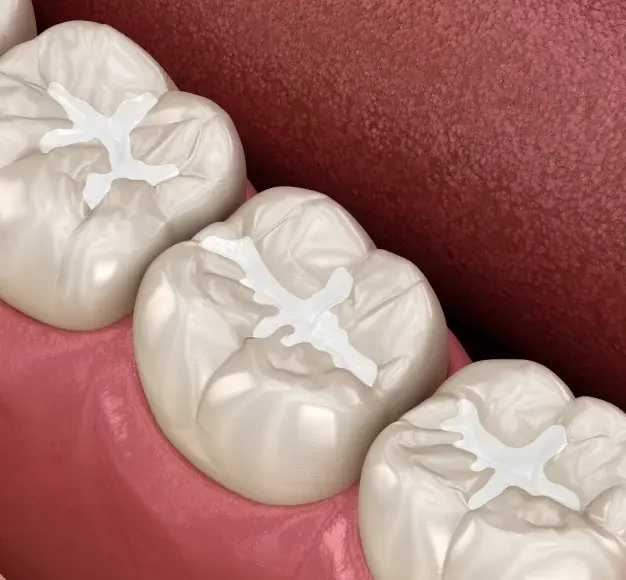
The chewing surfaces of molars and premolars are covered in small grooves and pits that are naturally difficult to clean, even with careful brushing. Food particles and bacteria can settle into these grooves and lead to decay long before a cavity becomes visible or causes any discomfort. A dental sealant is a thin, tooth-colored coating applied directly to these surfaces at Belmont Dentistry in Scottsdale, sealing out the bacteria and food that would otherwise get trapped there.
The application itself takes only a few minutes per tooth and requires no drilling or numbing, which makes it one of the easiest and most effective preventive treatments available for both kids and adults.
Who Benefits Most From Dental Sealants
Sealants are most commonly recommended for patients in a few specific situations.
- Children and teenagers, since sealants are often placed as soon as permanent molars come in
- Adults with deep grooves in their back teeth who have a history of cavities in those areas
- Patients who have had a filling on one molar and want to protect the others from the same fate
- Anyone looking for an extra layer of cavity protection alongside regular brushing and flossing
What Dental Sealants Can Do
Dental sealants are designed to provide an added layer of protection for areas of the teeth that are more likely to trap food and bacteria. While they are not a replacement for daily oral hygiene, they work alongside regular brushing, flossing, and preventive visits to help keep teeth healthier.
Dental sealants can:
- Protect deep grooves and pits on back teeth – Sealants fill in the small spaces on molars and premolars where plaque and food particles can easily collect, creating a smoother surface that is easier to clean.
- Help reduce the risk of cavities – By blocking bacteria and debris from settling into vulnerable areas, sealants can lower the chance of decay developing on the chewing surfaces of sealed teeth.
- Preserve natural tooth structure – Preventing cavities before they begin may help avoid the need for fillings or other restorative treatments later.
- Provide long-lasting preventive support – Sealants can remain effective for several years and are checked during regular cleanings and exams to make sure they continue protecting the teeth.
How Dental Sealants Are Applied
Placing a sealant is one of the quickest procedures performed at Belmont Dentistry, and the entire process is completely painless. The appointment usually takes only a few minutes per tooth, with no drilling, injections, or downtime afterward.

Cleaning and Drying the Tooth – The tooth surface is thoroughly cleaned to remove any plaque, debris, or buildup from the grooves. The tooth is then carefully dried to create the right surface for the sealant material to bond properly.
Applying a Prep Solution – A mild solution is applied briefly to help the sealant adhere securely to the enamel. After the tooth is rinsed and dried again, the surface is ready for the protective coating.
Painting on the Sealant – The liquid sealant material is painted directly into the grooves and pits of the tooth. The material flows into the small spaces, creating a smooth barrier over areas that are difficult to keep clean.
Curing the Sealant – A curing light hardens the sealant in seconds, creating a durable protective layer that is ready for normal chewing immediately. The final surface is checked to make sure it feels smooth and comfortable.
How Long Dental Sealants Last
Sealants typically hold up well for five to ten years, though this varies based on chewing habits and how well the surrounding teeth are cared for. They are checked at every routine cleaning and exam at Belmont Dentistry, so any chipping or wear can be caught early, and the sealant can be reapplied if needed. Because the process is quick and painless the first time around, touching up or replacing a worn sealant is just as simple.
Sealants Alongside Everyday Prevention
Sealants are one part of a bigger picture rather than a stand-alone fix, and they work best when paired with the habits that already protect a smile. Brushing twice a day, flossing, and keeping up with cleanings and exams still matter just as much on sealed teeth as they do everywhere else in the mouth, since sealants only protect the specific grooves they cover. Fluoride from toothpaste, water, or an in-office treatment also continues to strengthen the enamel on every surface, sealed or not. Thought of this way, a sealant is less a replacement for good habits and more a head start for the teeth that are hardest to keep clean on your own.
Ready to Add an Extra Layer of Protection?
Whether it is for a child’s new molars or your own back teeth, sealants are a quick way to lower the risk of a future cavity. Reach out to the Scottsdale office to see if sealants are a good fit.
Frequently Asked Questions
About Dental Sealants
Most children get sealants soon after their first and second permanent molars come in, typically around ages six and twelve, though the right timing depends on how each child’s teeth develop.
Yes. Adults with deep grooves in their molars or a history of cavities in those areas are often good candidates for sealants, and it is never too late to add this extra layer of protection.
No. Placing a sealant does not require any drilling or numbing, so the process is completely painless from start to finish.
Sealants typically last five to ten years with normal wear, and they are checked at every cleaning and exam at Belmont Dentistry so any damage can be caught and repaired early.
No. Sealants are a preventive treatment meant to stop a cavity from forming in the first place. A tooth that already has decay needs a filling rather than a sealant.
Many dental insurance plans cover sealants, especially for children, though coverage varies by plan. Our front office can help verify your specific benefits before your visit.
Sealants are tooth colored and blend in closely with the surrounding tooth, so they are not obvious when you smile or talk, though the dentist can easily see them during an exam.
No special care is needed beyond normal brushing and flossing. Avoiding extremely hard or sticky foods on sealed teeth can help the sealant last as long as possible.