
BOOK ONLINE


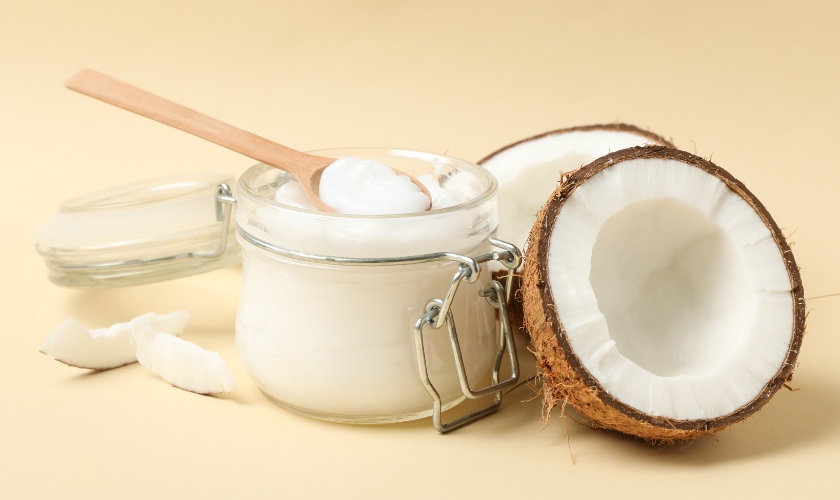
Oil pulling or oil swishing is an old method for keeping your mouth healthy. It involves swishing oil around in your mouth to get rid of bacteria and make your gums healthier. Some people think it can also help with bad breath and cavities. Oil pulling is often linked to Ayurveda, an ancient medical system from India.
Studies show that oil pulling can reduce the amount of bacteria in your mouth and improve your dental health. It might work by “pulling” bacteria out of your mouth. It can also make your gums moist and increase saliva, both of which help get rid of bacteria.
Certain types of oil have properties that fight inflammation and bacteria, which is good for your oral health.
However, there isn’t a lot of scientific evidence yet to prove how well oil pulling works. Some people think it can also help with other health problems, but more research is needed to know for sure. This blog will talk about the benefits of oil pulling that we do know about and give tips on how to do it properly.
1. Help Reduces Harmful Bacteria in Your Mouth
Oil pulling can help reduce harmful bacteria in your mouth. The human mouth can contain around 700 different types of bacteria, with up to 350 varieties present at any given time. Some of these bacteria can lead to dental problems like tooth decay, bad breath, and gum disease.
Several studies have shown that oil swishing can lower the levels of harmful bacteria in your mouth. For example, one study compared using an antibacterial mouthwash to swishing sesame oil for 15 days in 75 teenagers. Both methods significantly reduced the levels of harmful bacteria in saliva and plaque.
Another study involved 60 participants who rinsed their mouths with mouthwash, water, or coconut oil for two weeks. Both mouthwash and coconut oil were effective in lowering bacterial counts in saliva.
Reducing oral bacteria through practices like oil swishing can help keep your mouth healthy and prevent certain dental issues.
2. Help Reduce Bad Breath
Oil pulling may help reduce bad breath, which affects about 50% of the population.
There are many reasons why someone might have bad breath, including infections, gum disease, poor oral hygiene, and bacteria buildup on the tongue.
Usually, treating bad breath involves getting rid of bacteria by brushing your teeth or using antiseptic mouthwashes like chlorhexidine.
A study from 2011 found that oil pulling was just as effective as chlorhexidine in reducing bad breath. In this study, 20 children rinsed their mouths with either chlorhexidine or sesame oil, and both groups saw a significant decrease in the bacteria linked to bad breath.
While more research is needed, oil pulling could be a natural way to fight bad breath and might work as well as standard treatments.
3. Help Prevent Cavities
Oil swishing help prevent cavities, which are a common dental problem caused by tooth decay.
Tooth decay can be caused by factors like not brushing your teeth enough, eating too much sugar, and the buildup of bacteria. This buildup leads to the formation of holes in the teeth, known as cavities.
Plaque, a sticky film made up of bacteria, saliva, and food particles, plays a big role in cavity formation. Bacteria in plaque produce acids that wear away tooth enamel, starting the decay process.
Several studies have shown that oil swishing can reduce the levels of oral bacteria, which helps prevent tooth decay. Some research even suggests that oil swishing is as effective as using mouthwash in reducing harmful bacteria in saliva and plaque.
By lowering the number of harmful bacteria through oil pulling, people can reduce their risk of tooth decay and cavities. If you need treatment for cavities or tooth decay, we recommend visiting our dental office in Scottsdale.
4. Seems to Reduce Inflammation and Improve Gum Health
Gingivitis is a common gum disease characterized by inflamed and bleeding gums, often caused by bacteria found in plaque.
Luckily, oil pulling offers a promising solution for improving gum health and reducing inflammation. It works by reducing harmful bacteria in the mouth, especially Streptococcus mutans, which is linked to gum disease.
Using oils like coconut oil, which have anti-inflammatory properties, can also help decrease gum inflammation associated with gingivitis.
In a study with 60 participants who had gingivitis, oil pulling with coconut oil for 30 days led to lower plaque levels and better gum health within a week.
Similarly, another study with 20 boys who had gingivitis compared oil pulling with sesame oil to using a regular mouthwash. Both groups showed less plaque buildup, improved gum health, and fewer oral bacteria.
While more research is needed, these findings suggest that oil pulling could be a helpful additional treatment for preventing plaque buildup and promoting gum health.
5. Other Benefits
While some people claim that oil pulling has many benefits beyond those mentioned earlier, scientific research on its effectiveness is still limited.
However, the anti-inflammatory properties of oil pulling might be helpful for certain conditions related to inflammation. Even though there aren’t many studies specifically looking at the effectiveness of oil pulling for these conditions, it’s worth considering its potential to reduce inflammation.
Some people also say that oil pulling can naturally whiten teeth. They believe it can remove surface stains from teeth and make them look whiter. But right now, there isn’t any scientific proof to support these claims.
6. Easy to Add to Your Routine and Cheap
Oil pulling offers two significant advantages: it’s simple and easy to incorporate into daily routines.
Plus, you only need one ingredient, usually found in kitchen pantries, so there’s no need to buy anything extra.
Traditionally, sesame oil has been the top choice for oil pulling, but other oils can work just as well. Coconut oil, known for its strong anti-inflammatory and antibacterial properties, is a great option. Olive oil, which is also known for reducing inflammation, is another common choice.
To start oil pulling, just set aside 20 minutes each day. You can use this time to do other things while improving your oral hygiene.
How to do Oil Pulling in 4 Simple Steps
Oil pulling is a simple process that involves a few easy steps:
- Measure one tablespoon (15 milliliters) of oil, like coconut, sesame, or olive oil.
- Swish the oil around in your mouth for 15–20 minutes, making sure not to swallow any.
- Spit out the oil into a trash can. Avoid spitting it into the sink or toilet to prevent potential clogging.
- Rinse your mouth thoroughly with water before eating or drinking anything.
For best results, it’s recommended to repeat these steps several times a week or up to three times a day. You can start with a shorter swishing time and gradually increase it until you reach the recommended 15–20 minutes.
Dr. Puneet Sandhu, DDS, a trusted cosmetic dentist in Scottsdale, suggests doing oil pulling first thing in the morning on an empty stomach for optimal effectiveness. However, you can adjust the timing to suit your preferences.
Several studies indicate that oil pulling may help reduce harmful oral bacteria, prevent plaque buildup, and improve gum health and overall oral hygiene. However, it’s important to note that current research in this area is somewhat limited.
Additionally, oil pulling should not replace regular oral hygiene practices like brushing, flossing, and seeing your dentist for check-ups. It’s best used as a complement to these routines to enhance oral health safely and naturally.