BOOK ONLINE



Teeth whitening has become one of the most popular cosmetic dental procedures in recent years, and for good reason. A brighter smile can enhance your appearance, boost your confidence, and make you feel more self-assured in social situations. But have you ever wondered how in-office teeth whitening actually works?
In this blog, we will explore the science behind this effective procedure, including the mechanisms involved, the materials used, and the advantages it offers over at-home treatments.
Understand Tooth Discoloration
Before we dive into the science of in-office teeth whitening, it’s essential to understand why our teeth become discolored in the first place. Here are some common causes:
- Extrinsic Stains: These are surface stains caused by foods, drinks (like coffee, tea, and red wine), tobacco use, and poor oral hygiene. They affect the enamel, the outer layer of the teeth.
- Intrinsic Stains: These stains occur beneath the surface enamel and can be caused by factors such as aging, certain medications (like tetracycline), excessive fluoride exposure, or trauma to the teeth.
Understanding the type of staining present in your teeth helps determine the most effective whitening method.
How In-Office Teeth Whitening Works
In-office teeth whitening involves several scientific processes that work together to brighten your smile efficiently and safely. Here’s a breakdown of how it works:
1. Professional Assessment
Before any whitening procedure begins, a dental professional will assess your oral health and the extent of tooth discoloration. This step is crucial to determine the best approach for your specific needs.
2. Preparation of the Teeth
- Cleaning: A thorough dental cleaning is performed to remove any plaque and tartar buildup, ensuring that the whitening agents can penetrate effectively.
- Isolation: The dentist will apply a protective barrier to your gums and soft tissues. This prevents irritation from the whitening agents during the procedure.
3. Application of Whitening Agents
The whitening agent used in in-office procedures is typically hydrogen peroxide or carbamide peroxide. These agents are highly effective at breaking down stains and lightening the color of the teeth.
- Hydrogen Peroxide: This powerful bleaching agent breaks down into water and oxygen, releasing free radicals that penetrate the enamel and dentin (the layer beneath the enamel) to lift stains.
- Carbamide Peroxide: This compound releases hydrogen peroxide when it breaks down. It’s slower-acting than hydrogen peroxide but can provide effective results.
4. Activation of the Whitening Agents
One of the key features of in-office teeth whitening is the use of light or heat to enhance the whitening process. Here’s how it works:
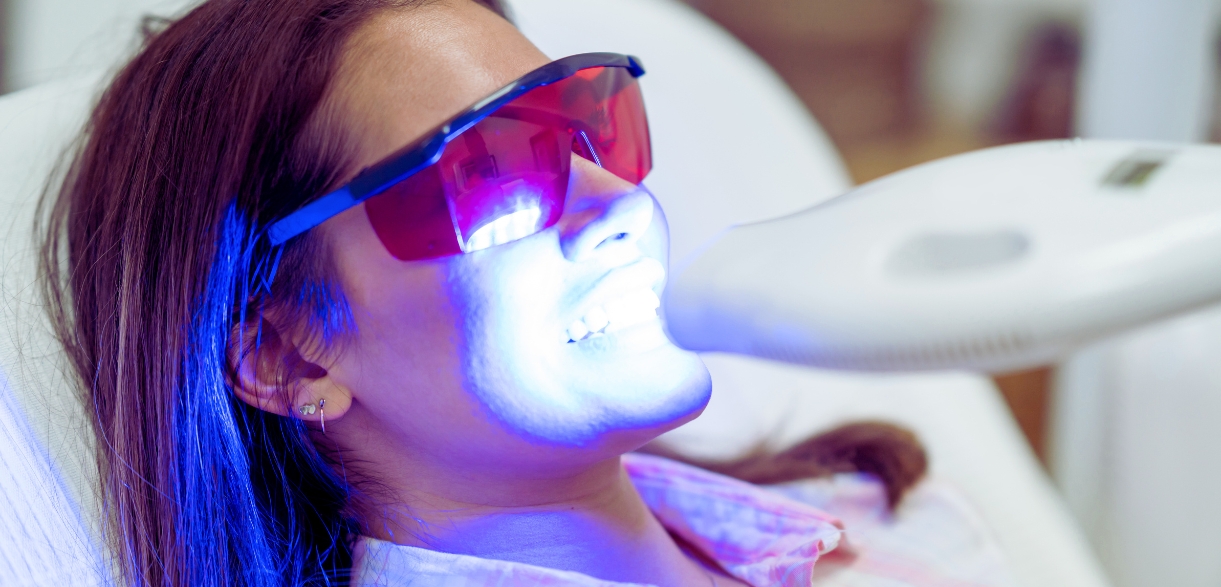
- Laser or LED Light: Many dental offices utilize special lights that help activate the whitening agents, accelerating the chemical reaction that lifts stains from the teeth. This can lead to faster and more effective results.
- Heat Activation: Some whitening systems use heat to enhance the efficacy of the whitening agents, ensuring deeper penetration into the tooth structure.
5. Rinse and Evaluate
After the designated time (usually around 30 to 90 minutes), the dentist will rinse your mouth to remove any remaining whitening gel. They will then evaluate the results and may apply a fluoride treatment to help strengthen your teeth and reduce sensitivity.
Benefits of In-Office Teeth Whitening

In-office teeth whitening offers several advantages over at-home whitening options:
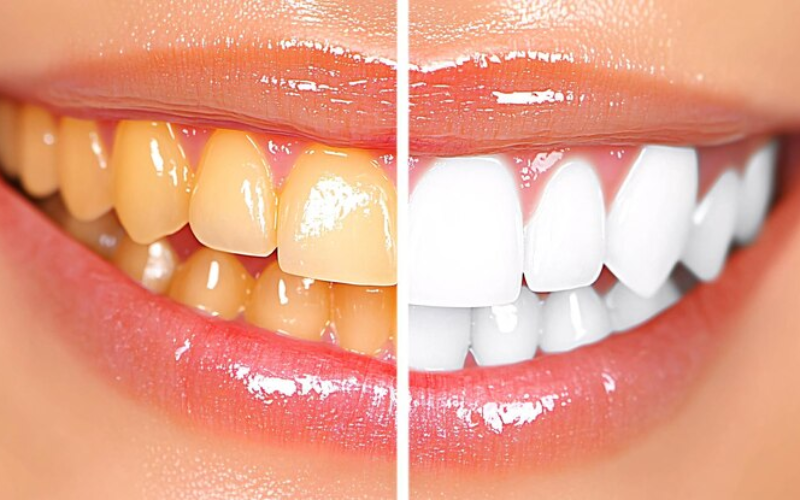
- Immediate Results: In-office treatments can lighten teeth by several shades in just one visit, providing instant gratification.
- Professional Supervision: The procedure is performed by a dental professional, ensuring safety and effectiveness. They can tailor the treatment to your specific needs and monitor your progress.
- Reduced Risk of Sensitivity: Dental professionals can take steps to minimize sensitivity during and after the procedure, such as using desensitizing agents.
- Long-Lasting Effects: With proper care, the results of in-office whitening can last for a year or more, making it a worthwhile investment.
Maintenance and Aftercare
To maintain your newly whitened smile, consider these tips:
- Good Oral Hygiene: Brush and floss regularly to prevent plaque buildup and stains.
- Avoid Staining Foods and Drinks: Limit coffee, tea, red wine, and tobacco to prevent discoloration and keep your smile bright.
- Use Touch-Up Products: Ask our dentist about at-home touch-up kits to help maintain your results between professional treatments.
- Regular Dental Check-Ups: Regular visits to our dentist for cleanings and assessments can help keep your smile bright.
In-office teeth whitening is a scientifically advanced procedure that offers quick, effective, and safe results for those seeking a brighter smile. By understanding the mechanisms behind this treatment, you can appreciate the expertise involved and the transformative power of a confident, radiant smile.
Boost confidence for any occasion with in-office teeth whitening, an effective addition to elevate your oral care routine. Consult our dentist to find out how you can achieve a dazzling smile today!