BOOK ONLINE


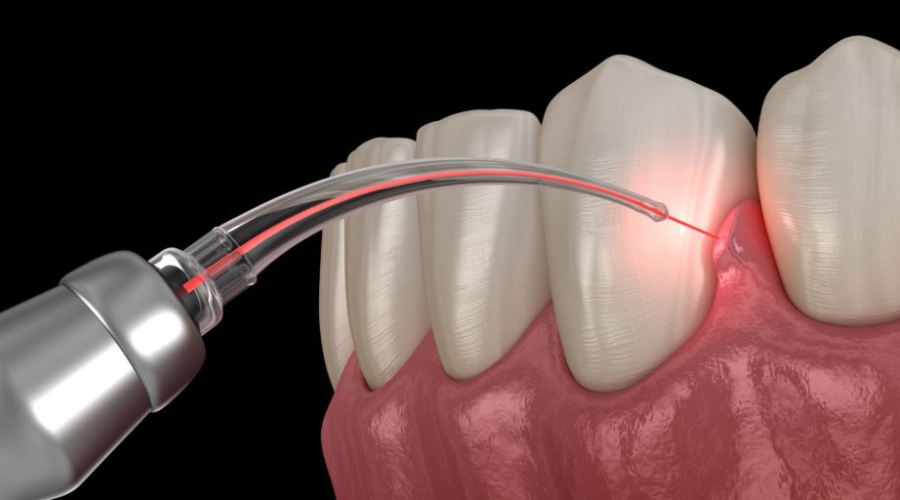
Laser dentistry has revolutionized the way dental treatments are performed, offering a more precise, efficient, and comfortable dental journey for many patients. From cavity removal to gum disease treatment, lasers are being increasingly used in dental offices worldwide. But is this dentistry the right choice for everyone?
In this blog, we will know what laser dentistry entails, its benefits, potential drawbacks, and the key factors to consider when deciding if it’s the right option for you.
About Laser Dentistry
It involves the use of high-energy light beams to perform dental procedures. Lasers have been used in various medical fields for years and are now applied in dentistry to treat soft and hard tissues in the mouth. The two types of lasers commonly used in dental procedures are:
- Hard Tissue Lasers: Used for treating tooth structures like cavities, removing decay, and prepping teeth for fillings.
- Soft Tissue Lasers: Used for treating gums, removing or reshaping tissue, and treating infections like gum disease.
Laser dentistry can be used in a wide range of procedures, including:
- Cavity removal
- Gum reshaping
- Frenectomy (tongue-tie release)
- Treatment of gum disease
- Biopsies for oral cancer detection
- Teeth whitening
Benefits of Laser Dentistry
Laser dentistry offers numerous advantages over traditional dental techniques, making it a popular option for many patients. Here are some of the key benefits:
1. Minimally Invasive
Laser procedures are less invasive than traditional dental treatments. They often do not require sutures, and some procedures can be performed without anesthesia. This is particularly beneficial for patients who have a fear of needles or drills.
2. Reduced Discomfort & Pain
The precision of laser technology allows dentists to target specific areas with minimal impact on surrounding tissues. This often leads to less pain during and after the procedure, making recovery quicker and more comfortable.
3. Faster Healing
Laser dentistry promotes faster healing because the laser seals the blood vessels and nerve endings during treatment. This reduces bleeding, swelling, and the overall healing time compared to traditional methods.
4. Precision and Accuracy
Lasers provide extreme precision, which is beneficial for procedures requiring intricate detail, such as gum reshaping or removing infected tissue. This accuracy helps preserve more of the healthy tissue while effectively treating the problem.
5. Less Risk of Infection
Because lasers sterilize the treatment area, there is a lower risk of infection. This makes laser dentistry especially advantageous for patients undergoing procedures on soft tissues like the gums, where infections are more common.
6. Less Anxiety for Patients
Many patients experience dental anxiety, especially with the sound and sensation of dental drills. Lasers are much quieter and cause less vibration, which can help reduce anxiety in the dentist’s chair.
When Is Laser Dentistry a Good Option?

While laser dentistry offers many benefits, it may not be suitable for every patient or every dental procedure. Here are some cases where laser dentistry may be an ideal option:
1. Patients With Dental Anxiety
If you suffer from dental anxiety, especially fear of needles, drills, or extensive dental work, laser dentistry may be a more comfortable option for you. The minimally invasive nature of lasers can make procedures less stressful.
2. Patients with Gum Disease
Laser treatment for gum disease is effective in removing infected tissue and promoting the regeneration of healthy gum tissue. It’s particularly useful for patients who require deep cleaning or more invasive periodontal treatments.
3. Children or Patients With Special Needs
Laser dentistry can be a great option for children or patients with special needs who may struggle to sit still for long procedures or are particularly sensitive to pain. The quick and less invasive nature of laser treatments makes it a more comfortable experience.
4. Patients Seeking Cosmetic Procedures
Laser dentistry is often used in cosmetic procedures like gum reshaping or teeth whitening. If you’re looking for a less invasive way to improve the appearance of your smile, lasers can provide precise and effective results with minimal recovery time.
5. Patients with Limited Time for Recovery
If you have a busy schedule and can’t afford extensive downtime, laser dentistry’s faster recovery time is a major advantage. Many procedures allow you to resume your normal activities almost immediately after treatment.
Potential Drawbacks of Laser Dentistry
While laser dentistry has many advantages, it’s not without its limitations. There are some situations where traditional methods might be more effective or necessary.
1. Not Suitable for All Procedures
Laser dentistry cannot be used for all dental treatments. For example, lasers cannot be used to remove old fillings, large cavities, or crowns. In these cases, traditional methods might be the only viable option.
2. Cost or Price
Laser treatments can sometimes be more expensive than traditional procedures due to the specialized equipment and expertise required. Insurance companies may also not fully cover the cost of laser procedures, making it important to discuss potential costs with your dentist.
3. Learning Curve for Dentists
Not all dentists are trained in laser technology, so finding a qualified practitioner is essential. While lasers offer precision, they require expertise to avoid causing unintended damage to surrounding tissues.
4. Not for Everyone
Some patients, particularly those with more complex dental needs, may not be suitable candidates for laser dentistry. If you have a significant amount of dental decay, bone loss, or other advanced dental conditions, traditional methods may still be necessary.
Factors To Consider While Choosing This Dentistry
When deciding whether laser dentistry is right for you, consider the following factors:
1. Type of Procedure
What type of dental work do you need? Laser dentistry is ideal for certain procedures like gum reshaping, cavity treatment, and gum disease therapy. However, it may not be suitable for complex treatments like crown placement or large restorations.
2. Your Pain Tolerance
If you have a low pain threshold or anxiety with traditional dental tools like drills, lasers can offer a more comfortable and less painful experience.
3. Cost and Insurance Coverage
Discuss with your dentist the cost of laser treatments and check with your insurance provider whether laser procedures are covered under your plan. Understanding the financial aspect is key before committing to treatment.
4. Availability of a Qualified Dentist
Ensure that your dentist is qualified and certified in laser dentistry. It’s important to choose a practitioner with the right qualifications and training to perform laser treatments safely and effectively.
5. Your Overall Dental Health
Consider your dental history and current oral health. If you have a history of gum disease or other oral issues, laser dentistry may be a more beneficial option. However, for more advanced conditions, traditional treatments may still be necessary.
Laser dentistry offers a modern, effective, and minimally invasive approach to various dental treatments. With its benefits of reduced pain, faster healing, and greater precision, it can be an excellent option for many patients.
However, you must consider your specific dental needs, the type of procedure required, and the knowledge of your dentist before choosing laser dentistry. If you’re considering laser dentistry, consult with a qualified dental professional to discuss whether it’s the right solution for your oral health needs.