BOOK ONLINE



A bright, white smile is often associated with good health and beauty, prompting many to seek out various methods to achieve it. From natural remedies to unconventional techniques, the pursuit of pearly whites has led to some interesting approaches. One such method is using strawberries for teeth whitening. But do strawberries whiten teeth? And what about other unusual whitening methods? Let’s explore the science behind these claims and determine their effectiveness.
The Appeal of Strawberries
Strawberries are often touted as a natural teeth-whitening remedy due to their high malic acid content. Malic acid is a natural astringent that can help remove surface stains from teeth. Here’s how strawberries are believed to work:
How to Use Strawberries for Teeth Whitening
- Crush a ripe strawberry into a pulp.
- Mix the pulp with a small amount of baking soda (optional).
- Apply the mixture to your teeth using a toothbrush or your finger.
- Leave it on for a few minutes, then rinse thoroughly.
The Science Behind It
While malic acid can help remove surface stains, strawberries also contain citric acid, which can erode tooth enamel if used excessively. Enamel erosion can lead to increased tooth sensitivity and a higher risk of cavities. Thus, while strawberries might offer temporary whitening effects, they are not a long-term solution and should be used with caution.
Other Weird Whitening Methods
1. Baking Soda and Hydrogen Peroxide
For a natural whitening solution, baking soda and hydrogen peroxide are popular choices. Baking soda, with its gentle abrasive quality, helps remove surface stains. Hydrogen peroxide, on the other hand, works its magic as a bleaching agent.
Effectiveness and Risks
- Effectiveness: Baking soda can effectively remove surface stains, and hydrogen peroxide can penetrate the enamel to lighten deeper stains.
- Risks: Overuse can lead to enamel erosion and increased tooth sensitivity. It’s essential to use these ingredients in moderation and to follow up with proper dental hygiene.
2. Activated Charcoal
Activated charcoal is another popular teeth-whitening method. It is believed to absorb stains and toxins from the teeth due to its porous nature.
Effectiveness and Risks
- Effectiveness: Some users report temporary whitening effects, but scientific evidence supporting its efficacy is limited.
- Risks: Activated charcoal is abrasive and can wear down enamel over time, leading to sensitivity and an increased risk of cavities.
3. Oil Pulling
Oil pulling involves swishing oil (typically coconut oil) around in your mouth for 15-20 minutes. This practice is rooted in ancient Ayurvedic medicine and is believed to improve oral health and whiten teeth.
Effectiveness and Risks
- Effectiveness: Oil pulling can reduce harmful bacteria in the mouth and improve oral hygiene, which may contribute to a brighter smile. However, it is not as effective as conventional whitening methods.
- Risks: Generally safe, but not a substitute for regular brushing and flossing.
4. Turmeric
Turmeric, a spice known for its anti-inflammatory properties, is sometimes used as a natural teeth-whitening agent. Despite its yellow color, it is believed to help whiten teeth.
Effectiveness and Risks
- Effectiveness: Anecdotal evidence suggests that turmeric may help reduce stains and improve oral health. However, scientific support still needs to be improved.
- Risks: Turmeric is generally safe, but it can be messy and might temporarily stain gums and lips.
Conventional Whitening Methods
While natural and unconventional methods have their appeal, professional treatments and over-the-counter products are often more effective and reliable. These include:
1. Professional Whitening Treatments
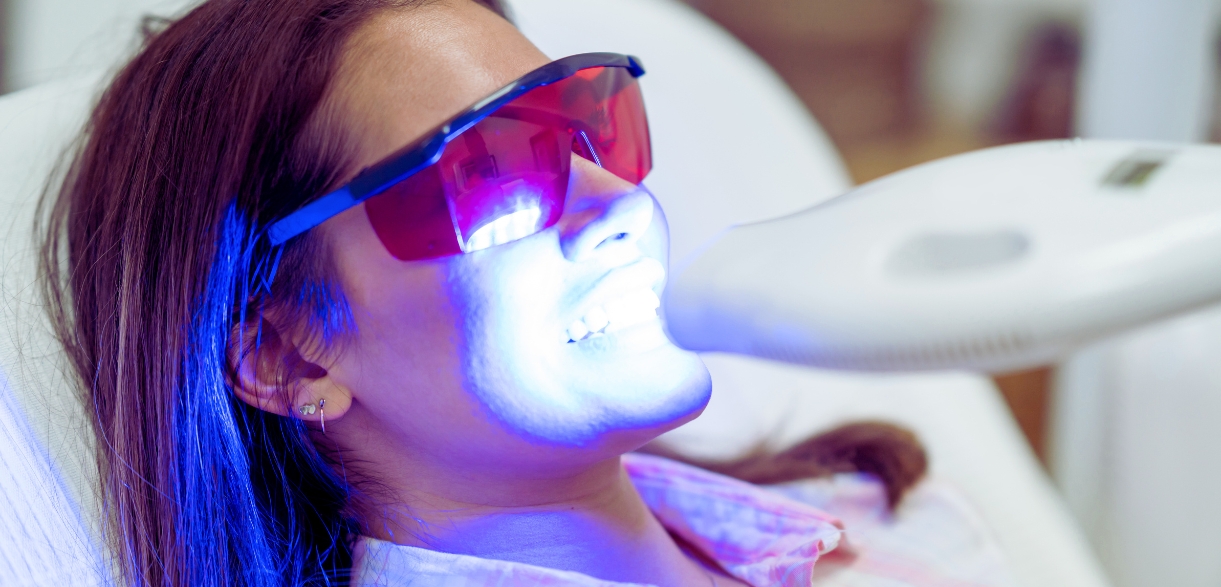
Dentists offer in-office teeth whitening treatments that use stronger bleaching agents for more dramatic results. These treatments are safe, effective, and provide long-lasting whitening.
2. Whitening Toothpaste
Whitening toothpaste contains mild abrasives and chemicals that help remove surface stains. It’s a convenient and safe option for maintaining a white smile.
3. Whitening Strips
Whitening strips coated with peroxide gel can effectively lighten teeth. They are easy to use and provide noticeable results within a few weeks.
Strawberries and other unusual methods may provide short-term whitening results, but they carry risks and frequently lack scientific backing. For safe and efficient teeth whitening, it is advisable to depend on established techniques and seek guidance from Dr. Sandhu, an accredited cosmetic dentist. Maintaining proper oral hygiene, steering clear of foods and beverages that cause staining, and keeping up with regular dental appointments are crucial for a radiant and healthy smile. It’s important to note that attaining and preserving white teeth is a gradual journey that demands ongoing care and suitable products.