
BOOK ONLINE


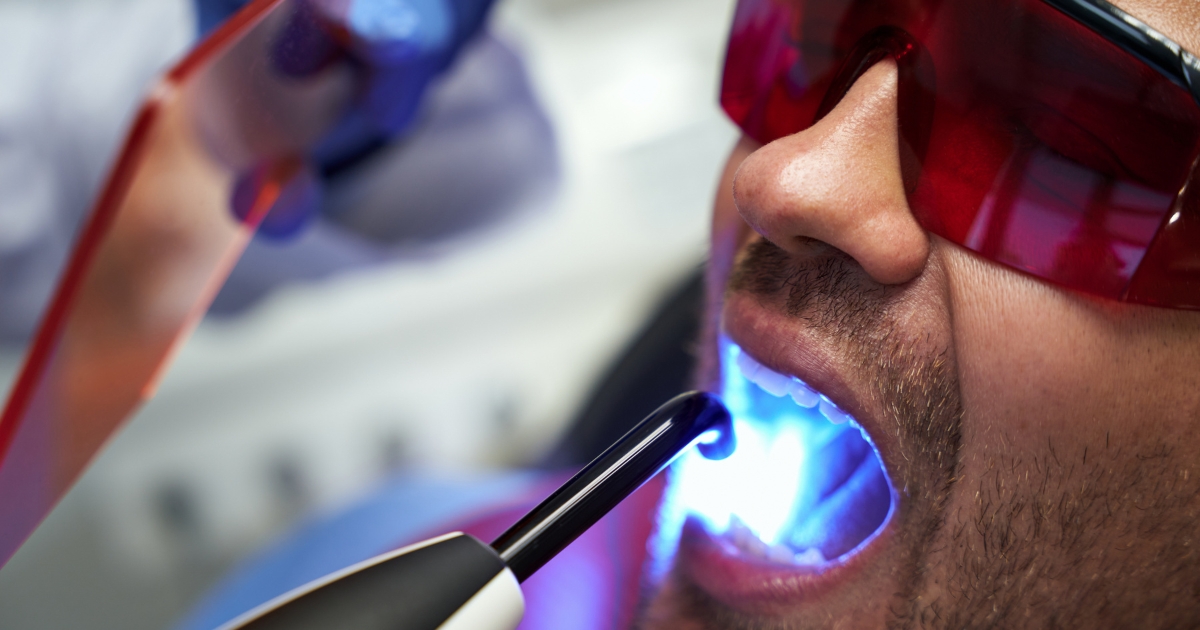
Sensitive teeth can be a real pain—literally! When sipping a hot drink or biting into a chilly ice cream, the sharp twinges can send anyone running for the nearest dental appointment. If you’ve ever experienced this discomfort, you might have explored various remedies, from toothpaste designed for sensitivity to mouthwashes that promise relief. However, a cutting-edge solution is gaining traction in the dental community: laser dentistry. This innovative approach targets the source of discomfort and minimizes invasiveness. Let’s dive into how laser dentistry can be a game-changer for treating sensitive teeth.
What’s Sensitive Teeth?
To grasp how laser dentistry can help, it’s essential to understand what causes tooth sensitivity. The condition often arises from:
- Enamel Erosion: The protective outer layer of your teeth wears down, exposing the dentin underneath.
- Gum Recession: When gums pull back, they expose the more sensitive tooth roots.
- Cracked or Chipped Teeth: Any damage to the tooth structure can lead to sensitivity.
- Dental Procedures: Some treatments, like whitening or fillings, can temporarily heighten sensitivity.
These factors can lead to discomfort, making everyday activities quite challenging. Traditional treatments have often involved more extensive procedures, but laser dentistry offers a modern alternative many patients find appealing.
What Is Laser Dentistry?
Laser dentistry uses focused light beams to treat a variety of dental issues. This technology can:
- Remove decay with precision.
- Reshape gums for cosmetic improvements.
- Reduce bacteria for more effective periodontal treatments.
What sets laser dentistry apart is its minimal invasiveness. This means less discomfort and quicker recovery times, making it an attractive option for many patients.
How Laser Dentistry Addresses Tooth Sensitivity
When it comes to alleviating sensitivity, laser dentistry operates on several fronts:
- Targeting Dentin: Laser treatment can seal exposed dentin tubules, which connect to the nerve endings in your teeth. By closing these tubules, the therapy can significantly reduce sensitivity.
- Encouraging Remineralization: Lasers can promote remineralization, a process in which essential minerals like calcium and phosphate strengthen tooth enamel. This helps protect against sensitivity over time.
- Gum Treatment: Lasers can reshape and recontour the gums for those with gum recession, minimizing exposure to the tooth roots. This not only helps with sensitivity but also enhances your smile.
- Reducing Inflammation: Laser therapy can decrease inflammation in the gums and surrounding tissues, making the entire mouth feel more comfortable.
Benefits of Laser Dentistry
Considering laser dentistry for treating sensitive teeth offers several advantages:
- Minimal Discomfort: Many patients report less pain and anxiety during and after treatment compared to traditional methods.
- Speedy Recovery: With less tissue trauma, healing times are often quicker.
- Precision: Lasers’ accuracy means less damage to surrounding healthy tissue, which is vital for preserving tooth integrity.
- Versatility: Beyond sensitivity, this dentistry can address various dental issues, making it a multi-faceted solution.
Is Laser Dentistry Right for You?
If tooth sensitivity has become a recurring issue, you might wonder if laser dentistry is suitable. Here are some considerations to help you decide:
- Severity of Sensitivity: Laser treatments can be highly effective if your sensitivity is mild to moderate.
- Dental Health Status: Your oral health can influence the effectiveness of laser dentistry. Discuss any existing conditions with your dentist.
- Treatment Goals: Are you looking for immediate relief, or do you have longer-term goals for your dental health? Laser dentistry can fit into both plans.
Before starting any treatment, it is crucial to have a conversation with your dental provider. They can assess your situation, explain the potential outcomes, and help you determine the best course of action.
What to Expect During Treatment?
If you decide to go ahead with this dentistry, here’s a brief overview of what you might experience:
- Initial Consultation: Your dentist will evaluate your teeth, discuss your concerns, and develop a tailored treatment plan.
- Preparation: On the day of your treatment, you may receive local anesthesia to ensure comfort. However, many procedures are so quick and gentle that anesthesia isn’t always necessary.
- Laser Application: The dentist uses a laser to target specific areas. Depending on the complexity, the procedure typically lasts 30 minutes to an hour.
- Post-Treatment Care: After the procedure, you might experience minimal discomfort. Your dentist will provide guidelines on care and any necessary follow-up.
Tooth sensitivity doesn’t have to be a lifelong struggle. With advancements in laser dentistry, many people are finding relief from this common issue. By sealing exposed areas, encouraging enamel repair, and reshaping gums, lasers provide a comprehensive approach to dental sensitivity. If you’re tired of feeling discomfort with every bite or sip, it might be time to explore how the laser option can bring you back to enjoying your favorite foods without hesitation.
Contacting your dentist about laser dentistry could be the first step toward a pain-free smile. Why not take that step today? Your teeth will thank you!