BOOK ONLINE



A cracked tooth can turn into an unexpected dental emergency, leaving you in significant pain and discomfort. Whether it’s the result of biting down on something hard, an injury, or general wear and tear, a cracked tooth should never be ignored. If it’s not treated promptly through emergency dentistry, it can lead to infection, tooth loss, and even affect your overall health.
In this blog, we’ll explore the causes, symptoms, and consequences of cracked teeth while emphasizing the importance of seeking emergency dental treatment as soon as possible.
What Causes a Cracked Tooth?
Cracks in your teeth can happen for various reasons, and understanding the cause can help you take preventive steps. Common causes of cracked teeth include:
- Biting on Hard Objects: Chewing ice, hard candies, or popcorn kernels can easily cause a tooth to crack.
- Injury or Trauma: Accidents, falls, or sports injuries can exert enough force to crack a tooth.
- Grinding or Clenching (Bruxism): Frequent teeth grinding can weaken teeth over time, making them more susceptible to cracking.
- Extreme Temperature Changes: Eating hot food and then drinking something cold, or vice versa, can cause your teeth to expand and contract, leading to cracks.
- Old Dental Work: Over time, large fillings or dental restorations can weaken the remaining tooth structure, making it more prone to cracking.
Symptoms of a Cracked Tooth
A cracked tooth doesn’t always cause immediate, severe pain, which is why it’s important to be aware of the warning signs. Ignoring the problem can lead to worse issues over time, making it essential to consult an emergency dentistry professional if you suspect a crack. Here are some common symptoms of a cracked tooth:
- Sharp Pain When Biting or Chewing: This is often the most noticeable sign of a cracked tooth, especially when you release pressure.
- Sensitivity to Hot or Cold: If the crack exposes the inner layer of the tooth (dentin), you may feel increased sensitivity to temperature changes.
- Intermittent Pain: The pain may not be constant, but if you notice discomfort when chewing or after biting, it could signal a crack.
- Swollen Gums Around the Tooth: If the crack has caused infection or irritation, your gums might appear red or swollen near the affected tooth.
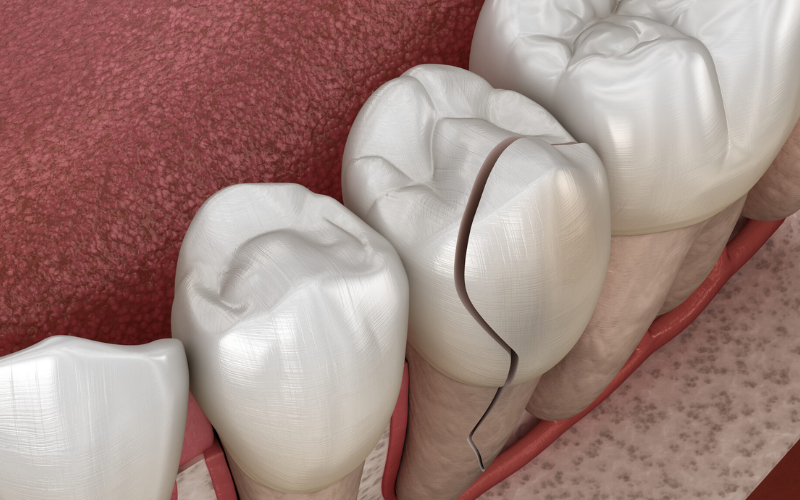
- Visible Crack: In some cases, you may be able to see a line or crack running down the tooth.
Why You Shouldn’t Ignore a Cracked Tooth?
It’s tempting to ignore a small crack, especially if the pain comes and goes. However, even minor cracks can lead to serious complications without proper treatment. Here’s why you should seek immediate care from an emergency dentist right away:
- Risk of Infection: Cracks can allow bacteria to enter the inner layers of your tooth, leading to infection. This can cause swelling, abscesses, and damage to the surrounding bone.
- Tooth Loss: Without prompt treatment, the crack can deepen or spread, eventually leading to tooth loss. In severe cases, a cracked tooth may not be salvageable.
- Increased Pain: A cracked tooth can cause intermittent pain, but as the damage worsens, the pain can become constant and unbearable.
- Damage to Surrounding Teeth: If the cracked tooth is left untreated, it may start to shift or damage adjacent teeth, leading to a domino effect of dental issues. Seeking emergency dentistry is important to address these concerns before they escalate.
Emergency Dental Treatment for a Cracked Tooth
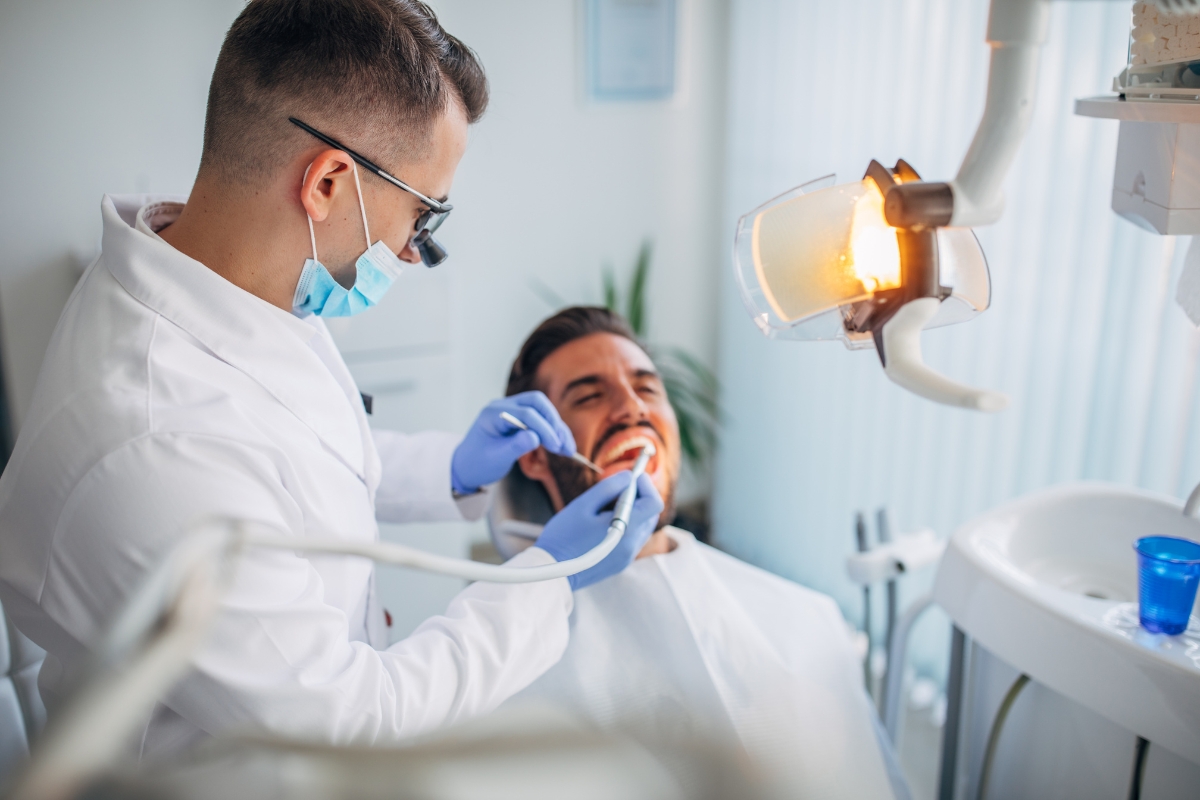
When you experience pain from a cracked tooth, it’s critical to seek emergency dental care immediately. Prompt treatment can alleviate pain, prevent infection, and save your tooth. Here are common emergency treatments for cracked teeth:
1. Bonding or Dental Filling
For minor cracks, your dentist may use a filling material or bonding to repair the tooth. This involves applying a tooth-colored resin that bonds to the tooth and fills the crack to prevent further damage.
- Benefits:
- Quick, minimally invasive solution.
- Restores function and aesthetics.
- Drawbacks:
- May not be suitable for deeper cracks.
- Not as durable as other treatments.
2. Dental Crown
If the crack is more severe but the tooth structure is still largely intact, your dentist may recommend a dental crown. A crown is a custom-made cap that covers the entire tooth, protecting it from further damage.
- Benefits:
- Long-lasting protection for the tooth.
- Strengthens the tooth and restores functionality.
- Drawbacks:
- Requires multiple appointments (temporary crown followed by permanent crown).
- Slightly more invasive than fillings or bonding.
3. Root Canal Treatment
If the crack has extended into the pulp (the inner part of the tooth containing nerves and blood vessels), a root canal may be necessary. This procedure removes the infected or damaged pulp, cleans the inside of the tooth, and seals it to prevent further infection. A crown is usually placed on top of the tooth afterward for protection.
- Benefits:
- Saves the natural tooth from extraction.
- Eliminates pain caused by infection or inflammation.
- Drawbacks:
- Involves a more complex procedure.
- Requires a crown for complete restoration.
4. Tooth Extraction
In cases where the crack is too severe, and the tooth cannot be saved, your dentist may recommend an extraction. While this is usually a last resort, it may be necessary to prevent further complications.
- Benefits:
- Prevents the spread of infection or damage.
- Alleviates pain from a severely cracked tooth.
- Drawbacks:
- Requires a replacement, such as a dental implant or bridge.
- Tooth loss can affect aesthetics and functionality.
Prevent Future Tooth Cracks
Once you’ve gone through a cracked tooth, you’ll likely want to take measures to prevent it from happening again. Here are some preventive steps:
- Avoid Chewing Hard Foods: Stay away from hard candies, ice, and other hard objects that can put pressure on your teeth.
- Wear a Mouthguard for Sports: If you participate in sports or activities that pose a risk of injury, a custom mouthguard can protect your teeth from impact.
- Treat Bruxism: If you grind or clench your teeth, consider wearing a nightguard to protect your teeth while you sleep.
- Regular Dental Check-ups: Regular dental visits help catch minor cracks early before they develop into more serious problems. If you notice any signs of a cracked tooth, don’t hesitate to seek emergency dentistry to prevent further complications.
Don’t Wait – Seek Emergency Dental Care for a Cracked Tooth Today!
A cracked tooth causing pain is not something you should ignore. Seeking emergency dental treatment promptly can save you from prolonged discomfort, infection, and potentially even tooth loss. Whether it’s a minor crack requiring bonding or a more serious issue needing root canal therapy, early intervention is the way.
Emergency dentistry ensures that you get the care you need when your tooth is damaged, allowing you to preserve your oral health and prevent future complications. So, if you suspect you have a cracked tooth, don’t wait—reach out to an emergency dentist and get the help you need right away.
Remember, the faster you act, the better your chances of saving your tooth and avoiding more invasive treatments down the line.