
Closing the Gap a Missing Tooth Leaves Behind
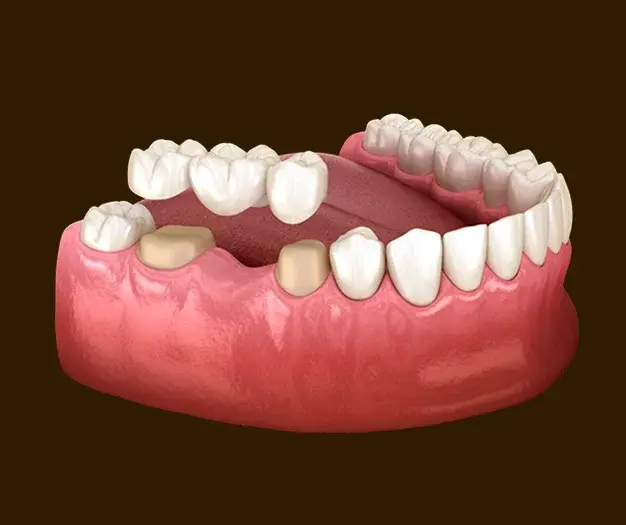
A missing tooth does more than change the way a smile looks. Without something to fill the space, the neighboring teeth can gradually shift toward the gap, and the opposing tooth can start to drift out of position over time. A dental bridge closes that gap with one or more replacement teeth, called pontics, held securely in place by the natural teeth or implants on either side. At Belmont Dentistry in Scottsdale, a bridge is custom-made to match the shape, size, and color of the surrounding teeth, so once it is in place, it functions and looks like part of your natural smile.
Signs a Dental Bridge Might Be Right for You
A dental bridge is worth considering whenever one or more teeth are missing and the surrounding teeth are healthy enough to provide support.
- A single missing tooth or a few missing teeth in a row
- Difficulty chewing comfortably on one side of the mouth
- Nearby teeth that have started to shift into the open space
- A changing bite caused by a missing tooth
- A gap that affects speech or confidence when smiling
Types of Dental Bridges
There are a few different ways a bridge can be built, depending on the location of the gap and the condition of the surrounding teeth.
- A traditional bridge, which uses crowns on the teeth next to the gap to hold the replacement tooth in place
- A cantilever bridge, which is anchored to a tooth on only one side of the gap
- A Maryland bridge, which uses a metal or porcelain framework bonded to the back of neighboring teeth instead of crowns
- An implant-supported bridge, which anchors the replacement teeth to dental implants rather than natural teeth
How a Dental Bridge Is Made and Placed
Getting a dental bridge usually takes a couple of visits, spaced a few weeks apart while the bridge is custom-made.

Preparing the Supporting Teeth – The teeth on either side of the gap are reshaped to receive crowns that will anchor the bridge.
Taking a Digital Impression – A detailed scan or impression captures the exact shape of the prepared teeth and the gap between them.
Placing a Temporary Bridge – A temporary bridge protects the prepared teeth and keeps the gap covered while the permanent one is made.
Designing and Fabricating the Bridge – The permanent bridge is custom made to match the shade and shape of the surrounding teeth.
Fitting and Adjusting – Once ready, the bridge is checked for fit, comfort, and bite before it is finalized.
Cementing the Bridge – The finished bridge is permanently cemented into place, completing the restoration.
How Long a Dental Bridge Lasts
With good care, a dental bridge typically lasts ten to fifteen years or longer before it needs to be replaced. Brushing twice a day and cleaning underneath the bridge with a floss threader or water flosser keeps the supporting teeth and gum tissue healthy, which goes a long way toward extending the life of the bridge. Regular checkups also give the team a chance to monitor how the supporting teeth are holding up and catch any issues before they become bigger problems.
Daily Life With a Dental Bridge
Most patients adjust to a new bridge within a few days, and any minor unfamiliarity with chewing or speaking tends to resolve quickly as the mouth gets used to the new tooth. Once that short adjustment period passes, a bridge functions like your natural teeth, with no special diet or restrictions needed for daily use. The one habit worth building early is cleaning underneath the bridge every day, since the space beneath the replacement tooth needs its own attention that a regular toothbrush cannot fully reach on its own.
Find Out if a Dental Bridge Is Right for You
A missing tooth does not have to stay that way. Reach out to Belmont Dentistry in Scottsdale to find out if a dental bridge is the right fit for your smile.
Frequently Asked Questions
About Dental Bridges
With good care, a dental bridge typically lasts ten to fifteen years or longer, and it is checked at every routine cleaning and exam at Belmont Dentistry to catch any wear or loosening early.
No. The teeth being prepared are numbed with local anesthetic, so the process is no more uncomfortable than getting a crown. Mild sensitivity for a few days afterward is normal.
A floss threader, water flosser, or specially designed bridge floss can reach beneath the replacement tooth where a regular toothbrush cannot. Cleaning this area daily is one of the most important habits for keeping a bridge and the teeth supporting it healthy long-term.
A bridge is fixed in place and cannot be removed, while a partial denture is a removable appliance that clips onto the surrounding teeth. Many patients prefer a bridge for the more natural, permanent feel.
Yes, within limits. A bridge can typically replace one to three teeth in a row, depending on how much support the remaining natural teeth can provide. A larger gap may be better suited to an implant-supported bridge or another option.
Yes. Once the short adjustment period passes, most patients in Scottsdale forget which tooth is the bridge, since it is custom shaped and shaded to match the surrounding teeth and function the same way during chewing and speaking.
Because the supporting teeth are covered by crowns, decay usually develops at the edge where the crown meets the natural tooth. If this happens, the bridge may need to be removed and remade, which is one reason keeping the area clean and attending regular checkups matters so much.
Many dental insurance plans cover at least a portion of a dental bridge, though coverage varies by plan. Our front office at Belmont Dentistry can help verify your specific benefits before treatment begins.