
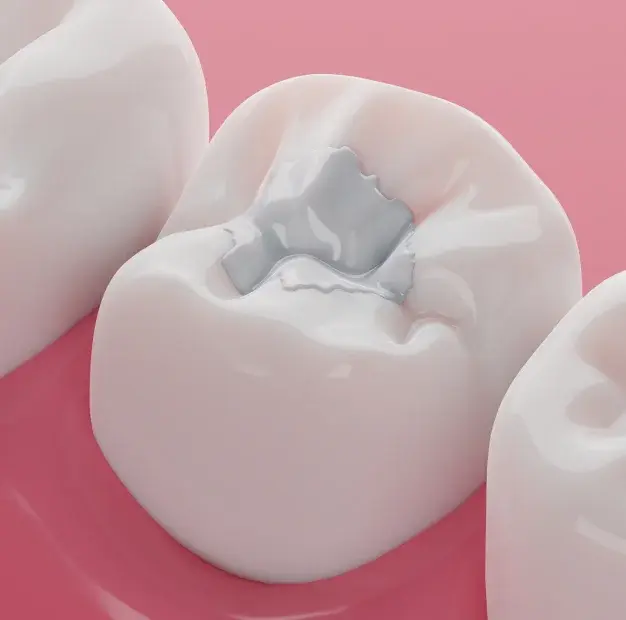
Natural-Looking Repairs for Cavities and Minor Tooth Damage
A cavity does not have to mean a dark metal filling that stands out every time you smile. At Belmont Dentistry in Scottsdale, composite fillings use a tooth-colored resin that is shaped and polished to blend in with the rest of the tooth, so the repair is barely noticeable once it is finished. The material bonds directly to the tooth, which also means less of the natural tooth structure has to be removed compared to older filling materials.
Composite fillings are one of the most common restorative treatments in general dentistry, used for everything from a small cavity caught during a routine cleaning to repairing a chipped or worn tooth.
Why Choose a Composite Filling
Composite fillings provide a conservative way to repair a tooth while maintaining a natural appearance. The resin is color-matched, shaped, and polished to blend with the surrounding enamel.
- Matches the natural color of surrounding teeth, so it blends in rather than standing out
- Bonds directly to the tooth, preserving more of the natural structure than older filling types
- Free of the mercury found in traditional silver amalgam fillings
- Can be shaped to repair small chips or worn edges, not just cavities
- Usually completed in a single visit
Who Is a Candidate for a Composite Filling
Composite fillings work well for most patients with a small to moderate cavity, a minor crack, or slight wear on a tooth. They are best suited to areas that do not carry heavy biting force, since composite material can wear faster than some alternatives under constant pressure. For a cavity that is deeper or a tooth doing more of the chewing work, a crown or other restoration might hold up better over time. An exam and an X-ray at the Scottsdale office will show which option makes the most sense for a specific tooth.
What a Filling Appointment Looks Like
Most composite fillings are completed in a single appointment, often the same day a cavity is discovered. The process is quick, and most patients are back to normal activities within a couple of hours once the numbness wears off.

Numbing the Area – A local anesthetic is applied so the tooth and surrounding gum are completely numb before any work begins.
Removing Decay – Any decayed or damaged portion of the tooth is carefully removed, leaving as much healthy tooth structure in place as possible.
Shaping the Tooth – The remaining tooth surface is cleaned and lightly shaped so the composite material bonds securely.
Placing the Composite – The tooth-colored resin is applied in thin layers and shaped to match the tooth’s natural contours.
Curing the Material – Each layer is hardened with a special curing light, building up the filling until it reaches the right shape and thickness.
Polishing and Bite Check – The finished filling is polished smooth, and the bite is checked, so it feels natural right away.
Signs You May Need a Filling
Cavities are not always painful in their early stages, which is why routine exams are important. Schedule a visit if you notice:
- Sensitivity to hot, cold, or sweet foods
- Pain when biting or chewing
- A dark spot, hole, or rough area on a tooth
- Food regularly getting caught in the same area
- A chipped tooth or worn edge
A prompt evaluation can help determine whether a simple composite filling is enough to restore and protect the tooth.
Caring for a New Filling
A composite filling does not require special maintenance beyond a normal oral hygiene routine. Brush and floss around the filling just as you would your natural teeth, and continue with regular checkups so any wear can be identified early. Avoid chewing very hard foods directly on the newly restored tooth for the first day. Mild temperature sensitivity can occur, but let the Belmont Dentistry team know if it does not improve within a couple of weeks.
Have a Cavity That Needs Attention?
The longer a cavity goes untreated, the more of the tooth it can affect. Schedule an appointment at the Scottsdale office to get it taken care of quickly.
Frequently Asked Questions
About Composite Fillings
Composite fillings typically last 7 to 10 years with good care, though this varies based on the filling’s location and how much biting force it takes on a daily basis. Regular checkups at Belmont Dentistry help catch wear before it becomes a bigger problem.
No. Composite fillings are made from a tooth-colored resin that is matched to the shade of the surrounding tooth, so they blend in and are difficult to spot in conversation or in photos.
The area is fully numbed with local anesthetic before treatment begins, so patients should not feel pain during the procedure. Mild sensitivity to hot or cold for a few days afterward is normal and usually fades on its own.
Only the decayed or damaged portion of the tooth is removed. Composite fillings bond directly to the remaining tooth, which generally allows more of the natural, healthy structure to be preserved compared to older filling materials.
Yes. Many patients in Scottsdale choose to replace an older silver amalgam filling with a composite one for a more natural look, though this is typically done when the old filling is already showing wear or needs to be replaced anyway.
Most composite fillings are fully hardened by the curing light before you leave the office, so eating is possible once the numbness wears off, usually within a couple of hours. It is still a good idea to avoid very hard or sticky foods on that tooth for the rest of the day.
Mild sensitivity to temperature or pressure is common for a few days to a couple of weeks after a filling, especially on a deeper cavity. If sensitivity lasts longer than that or becomes painful, it is worth having the tooth checked at the Scottsdale office.
Most dental insurance plans cover at least a portion of a composite filling, though coverage varies by plan and sometimes by which tooth is being treated. The Belmont Dentistry front office can check benefits and give a cost estimate before treatment begins.