A Painless Step Toward Stronger Cavity Prevention
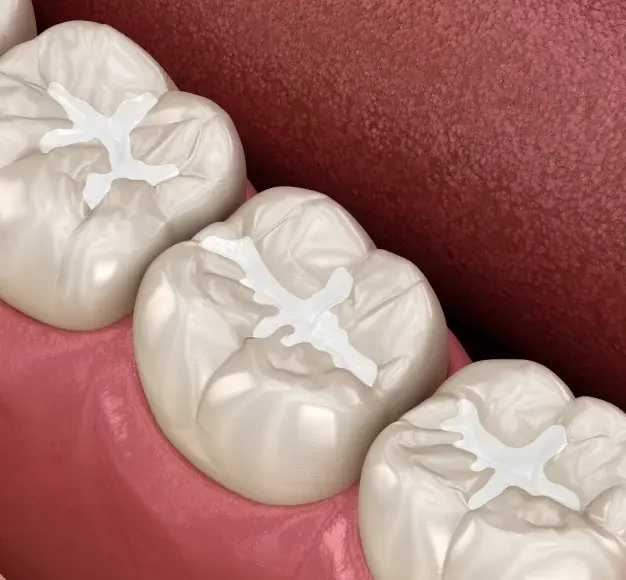
The grooves and pits on the chewing surfaces of back teeth can be difficult to clean thoroughly, even with consistent brushing and flossing. Dental sealants provide a thin protective coating that covers these vulnerable areas, creating a smoother surface that is easier to keep clean. At Belmont Dentistry, dental sealants in Peoria, AZ are part of a preventive approach designed to help patients maintain healthy teeth and reduce their risk of developing cavities.
Sealants are commonly recommended for children and teenagers as their permanent molars come in, but certain adults may benefit from them as well. During a dental exam, our team can evaluate the shape and condition of the teeth and explain whether sealant treatment is appropriate.
Why Dental Sealants Are Worth Considering
Dental sealants are a preventive treatment rather than a solution for an existing cavity. By covering deep grooves where plaque and food particles can collect, they add an extra barrier against decay while making those surfaces easier to clean. Here are some of the key benefits of dental sealants that include the following:
- Sealants can protect vulnerable chewing surfaces from plaque and cavity-causing bacteria.
- The material fills narrow pits and fissures that toothbrush bristles may not reach effectively.
- Applying a sealant is generally a simple process that does not require drilling or removing healthy tooth structure.
- Smoother tooth surfaces can be easier to keep clean with regular brushing.
- Sealants can be especially useful when permanent molars have recently emerged and are more susceptible to decay.
- Sealants work alongside regular dental exams, professional cleanings, fluoride use, brushing, and flossing.
Who Can Benefit From Dental Sealants?
Children and teenagers are frequent candidates for dental sealants because their newly erupted permanent molars often have deep grooves that can be challenging to clean. Applying sealants early can provide additional protection during years when consistent oral hygiene habits are still developing.
Adults may also be candidates when back teeth have deep pits or grooves, a history of cavities, or other characteristics that increase the likelihood of tooth decay. Sealants are not appropriate for every tooth, particularly when decay is already present. Belmont Dentistry can examine the teeth and determine whether preventive sealants are a suitable option.
How Our Sealant Treatment Works
Dental sealant treatment is designed to be straightforward and comfortable. Once the teeth are evaluated, the process typically involves a few simple steps:

Examine the tooth: The tooth is checked to make sure it is healthy enough for a preventive sealant. If there are signs of decay or another concern, treatment needs can be discussed first.
Clean the chewing surface: The tooth is thoroughly cleaned to remove plaque, food particles, and other debris from the grooves and pits.
Prepare the enamel: A conditioning solution is applied to help the sealant bond securely to the tooth surface. The area is then rinsed and dried.
Apply the sealant: The liquid sealant is carefully placed into the grooves of the tooth, where it flows into the small pits and fissures.
Harden the material: A curing light is used to set the sealant and create a durable protective coating over the treated surface.
Check the finished sealant: The bite and sealant placement are checked to make sure the material is properly positioned and feels comfortable.
Care Tips for Your Dental Sealants
Dental sealants are durable, but they are not designed to last forever. Everyday chewing and normal wear can cause them to thin, chip, or gradually break down. Most sealants can last around five to ten years, although their lifespan varies based on oral habits and individual needs. To help protect your sealants, brush twice a day with fluoride toothpaste and floss daily. Avoid chewing ice, hard candy, and other very hard foods or objects that can damage the protective coating. Limiting sticky, sugary snacks can also help prevent stress around the sealant edges.
Regular dental exams allow us to check your sealants for signs of wear and address concerns early. If a sealant feels rough, looks worn, or appears damaged, let us know so it can be evaluated and repaired or reapplied when appropriate. Consistent care can help keep your sealants effective for longer.
Give Your Molars a Shield Against Decay
Cavity prevention is easier than cavity treatment. Belmont Dentistry in Peoria, AZ offers quick, comfortable dental sealants for children and adults. Our team is here to provide clear guidance and comfortable care without pressure. Call us at (623) 842-1200 to discuss dental sealants with us.
Frequently Asked Questions
About Dental Sealants
Dental sealants are thin, protective coatings applied to the chewing surfaces of back teeth. They fill in the deep pits and grooves where food and bacteria collect, creating a smooth barrier that helps prevent cavities.
No. Sealant placement is painless. There is no drilling or numbing required, since the material is simply painted onto the tooth surface and hardened with a curing light. Most children handle the procedure very well.
Sealants typically last five to ten years with proper care. They can wear down gradually from chewing, so regular checkups are important. If a sealant chips or wears thin, it can usually be repaired or replaced.
Sealants are usually recommended soon after permanent molars come in. First molars generally appear around age six, and second molars around age twelve. Your child’s exam will help determine the best timing.
Yes. Adults can benefit from sealants if their molars have deep grooves and no existing fillings or decay. Sealants can be a useful preventive step for anyone at risk of cavities.
Sealant application is quick. Each tooth typically takes just a few minutes, so most patients finish in a single visit. There is no downtime, and you can eat and drink normally afterward.
Dental sealants are widely used and considered safe for both children and adults. They are made from dental-grade materials that have been used in preventive care for decades. We are happy to answer any questions about the materials before treatment.
No. Sealants protect the chewing surfaces of teeth but do not cover the areas between teeth or along the gumline. Daily brushing, flossing, and regular dental cleanings remain essential for complete oral health.