
Enhance Your Smile with Custom Dental Bridge
A missing tooth is more than a cosmetic concern. Over time, the gap can cause neighboring teeth to drift, make chewing uncomfortable, change the way you speak, and leave you feeling self-conscious about your smile. A dental bridge at Belmont Dentistry in Peoria, AZ offers a reliable way to replace one or more missing teeth and bring back both function and appearance.
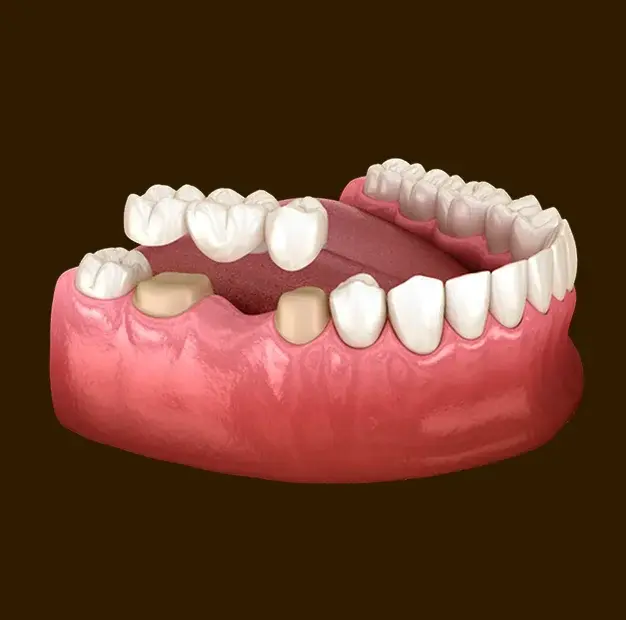
A bridge is made of one or more artificial teeth, called pontics, held in place by crowns on the teeth on either side of the gap. Because it is cemented in place, a bridge feels secure and natural, with no removing or soaking required. Each bridge is custom designed to match the color, shape, and size of your surrounding teeth, so it blends in seamlessly and helps restore the balance of your bite.
Types of Dental Bridges
Different types of dental bridges are available to address missing teeth, and the right design depends on the location of the gap, the condition of nearby teeth, and your overall oral health. Understanding these options can help you feel more informed when discussing tooth replacement with the dentist.
Traditional Dental Bridges
A traditional bridge uses crowns placed on supporting teeth next to the gap. The replacement tooth is connected to these crowns, creating a fixed restoration that fills the space.
Cantilever Bridges
A cantilever bridge is supported from one side rather than both sides of the missing tooth. This type of bridge is only appropriate in certain situations and depends on the location of the missing tooth and the surrounding structures.
Other Fixed Bridge Options
The appropriate bridge design depends on individual anatomy, oral health, bite forces, and the number and location of missing teeth. Belmont Dentistry can evaluate the treatment area and explain which restoration may be suitable.
Situations Where Dental Bridges Help
A dental bridge may be appropriate when one or more teeth are missing and the surrounding teeth and supporting structures can provide adequate support. Bridges may replace teeth lost due to decay, trauma, fracture, or extraction. They can help restore chewing and improve the appearance of a gap. During an examination, Belmont Dentistry can assess your gums, neighboring teeth, and overall oral health to determine whether a bridge or another tooth replacement option is suitable.
From Missing Tooth to Complete Smile
Getting a dental bridge is a step-by-step process that typically takes two to three visits. We plan carefully at each stage to make sure your bridge fits comfortably and looks natural. Here is what to expect at our Peoria dental office.

Consultation and Planning – We examine your teeth and gums, take X-rays, and discuss your goals. This is the time to ask questions and learn which type of bridge is best for your situation.
Preparing the Supporting Teeth – The teeth on either side of the gap are gently reshaped to make room for crowns. Local anesthesia keeps you comfortable, and we remove only as much enamel as needed.
Taking Impressions or Digital Scans – Detailed impressions or scans of your prepared teeth are taken to guide the creation of your bridge. We also select a shade that matches your natural teeth.
Placing a Temporary Bridge – While your custom bridge is being crafted, a temporary bridge protects the prepared teeth and helps you continue eating and speaking comfortably.
Trying in Your Permanent Bridge – When your bridge is ready, we check the fit, color, and bite. Any adjustments are made before it is permanently placed so you can feel confident in the result.
Cementing the Bridge – Once you are satisfied, the bridge is securely cemented in place. We fine-tune your bite and polish the restoration for a smooth, natural feel.
Aftercare and Follow-up – We review how to care for your new bridge and schedule regular checkups to monitor its fit and the health of the supporting teeth.
Care Tips for Your Dental Bridges
With proper care, a dental bridge can last 10 to 15 years or longer. Maintaining good oral hygiene helps protect the bridge, supporting teeth, and surrounding gums. Brush twice daily with fluoride toothpaste, paying close attention to the gumline around the restoration. Clean underneath the bridge every day using floss threaders, an interdental brush, or a water flosser to remove plaque and food particles. Avoid chewing ice, hard candy, caramel, and other hard or sticky foods that could damage the restoration.
If you grind or clench your teeth, Belmont Dentistry may recommend a nightguard to help reduce excessive pressure on the bridge. Regular dental cleanings and exams also allow the team to monitor the restoration and supporting structures. Contact the office if your bridge feels loose, shifts, or becomes uncomfortable.
Replace Missing Teeth with Confidence
If you are living with a missing tooth or an uncomfortable gap, a dental bridge may provide a practical way to restore both appearance and function. Belmont Dentistry can evaluate the missing-tooth area, explain available treatment options, and develop a personalized plan based on your oral health and goals. Call us at (623) 842-1200 to schedule a dental bridge consultation.
Frequently Asked Questions
About Dental Bridges
A dental bridge is a fixed dental restoration that replaces one or more missing teeth. It consists of artificial teeth held in place by crowns or supports on the neighboring teeth, filling the gap and restoring your smile and bite.
With proper care, most dental bridges last 10 to 15 years, and many last longer. Good oral hygiene, regular dental visits, and avoiding damaging habits such as chewing ice help extend the lifespan of a bridge.
The procedure is performed with local anesthesia, so you should not feel pain during treatment. Some mild soreness or sensitivity may occur for a few days after tooth preparation, and it usually fades quickly.
Most bridges are completed in two to three visits over a few weeks. The first visit involves preparing the supporting teeth and taking impressions, and the next visits involve placing and adjusting your custom bridge.
Yes. Once your bridge is in place and you are comfortable, you can eat most foods. We suggest starting with softer foods for the first few days and avoiding very hard or sticky items to protect your bridge.
Brush twice daily and clean beneath the replacement tooth every day using floss threaders, interdental brushes, or a water flosser. This removes plaque and food particles from areas a toothbrush cannot reach and helps protect your gums.
Leaving a gap can cause nearby teeth to shift, create bite problems, lead to bone loss in the jaw, and make chewing more difficult. Replacing a missing tooth helps protect your oral health and keeps your smile balanced.
Yes. Bridges are custom made in shades and shapes that match your surrounding teeth. Materials like porcelain and ceramic reflect light similarly to natural enamel, so your bridge blends in and looks like part of your smile.