
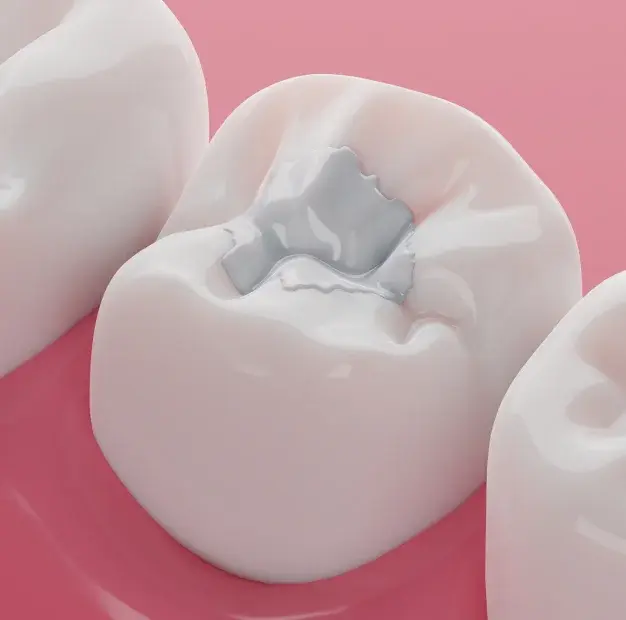
Natural-Looking Treatment for Cavities and Tooth Damage
A cavity does not always cause noticeable discomfort in its early stages. Once decay is identified, treating it promptly can help prevent the damage from spreading deeper into the tooth. Belmont Dentistry provides composite fillings in Peoria, AZ to remove decay and restore the affected tooth with a durable, natural-looking material.
Also called tooth-colored or white fillings, composite resin fillings are designed to blend with the surrounding enamel. This makes them a popular choice for restoring teeth while maintaining a natural appearance. During an appointment, the affected area is carefully evaluated, decay is removed, and the composite material is shaped to restore the tooth’s function and appearance.
Why Choose Composite Fillings?
Composite dental fillings offer both functional and cosmetic benefits. Because the material can be matched to the natural shade of your tooth, a completed restoration can be much less noticeable than a traditional metal-colored filling. Some benefits of composite fillings include:
- Composite resin can be closely matched to the surrounding tooth shade.
- Fillings restore areas affected by cavities and minor tooth damage.
- The filling process focuses on removing the damaged portion of the tooth while preserving healthy structure whenever possible.
- Composite material can be used to restore both front and back teeth depending on the location and extent of the damage.
- A properly placed filling helps restore the tooth so it can function normally during everyday activities.
- Tooth-colored fillings allow treated teeth to maintain a more natural appearance.
When Is a Composite Filling Recommended
Composite fillings may be recommended when a tooth has decay, minor damage, wear, or a chipped area that can be restored without extensive treatment. They can also replace an older filling or address sensitivity caused by decay. If food frequently becomes trapped around a damaged area, a dental evaluation may be helpful. When decay has reached deeper layers of the tooth or affected the pulp, additional treatment may be necessary. Belmont Dentistry can assess the tooth and explain the appropriate treatment options.
How We Restore a Tooth With Composite Resin, Layer by Layer
Getting a tooth-colored filling is a straightforward, comfortable experience. We take our time to make sure the color, shape, and bite feel right. Here is what typically happens during a composite filling visit at our Peoria dental office.

Exam and Shade Selection: We examine the tooth, review any X-rays, and confirm that a composite filling is the right choice. We then select a resin shade that closely matches the surrounding teeth.
Numbing for Comfort: A local anesthetic is used to numb the tooth and the surrounding area. This keeps you comfortable throughout treatment, and we are happy to pause any time you need.
Removing the Decay: Using gentle, precise instruments, we remove the decayed portion of the tooth and clean the area thoroughly. We take care to preserve as much healthy tooth structure as possible.
Preparing the Tooth for Bonding: The tooth is isolated to keep it dry, then treated with a conditioning solution and bonding agent. This step helps the filling adhere securely to the tooth.
Placing the Composite in Layers: The resin is applied in thin layers, and each layer is hardened with a special curing light. Building the filling gradually allows for a strong bond and a precise fit.
Shaping and Polishing: Once the filling is complete, we sculpt it to match the natural contours of the tooth and polish it to a smooth, lifelike finish.
Bite Check and Aftercare: We check that your bite feels comfortable and balanced. You will receive clear aftercare instructions, and most patients return to their normal activities right away once the numbness wears off.
Caring for a Tooth After a Composite Filling
A composite filling can restore a damaged tooth, but the tooth still requires regular care. Continue brushing twice a day with fluoride toothpaste and cleaning between your teeth daily. Regular dental examinations allow the team to monitor the filling and surrounding tooth structure for signs of wear, leakage, recurrent decay, or other concerns.
It is also helpful to avoid frequently snacking on sugary foods and drinks, which can contribute to plaque and new cavities around restored teeth. If you experience persistent sensitivity, discomfort when biting, or a filling that feels rough or loose, contact Belmont Dentistry so the restoration can be evaluated. Good home care and routine dental visits can help protect both your filling and the natural tooth underneath it.
Personalized Care for Your Dental Filling Needs
A small cavity can become a bigger problem if it is left untreated. At Belmont Dentistry, our team takes time to listen to your concerns, examine the affected tooth, and explain the recommended treatment in clear language. Whether you have recently been told that you have a cavity or have noticed sensitivity or another change in a tooth, contact us at (623) 842-1200 to discuss your concerns with our team and learn about appropriate treatment options.
Frequently Asked Questions
About Composite Fillings
Composite fillings are tooth-colored restorations made from a mixture of plastic resin and glass particles. They are used to repair cavities, chips, and worn areas while matching the natural shade of your teeth.
Composite fillings typically last between five and ten years, and often longer with good oral hygiene and regular checkups. Factors such as bite pressure, teeth grinding, and the size of the filling can influence how long they last.
Treatment is comfortable because the tooth is numbed with local anesthetic beforehand. You may feel slight pressure during the procedure, but not pain. Mild soreness or sensitivity afterward is normal and usually short-lived.
Most composite fillings take about 30 to 60 minutes, depending on the size and location of the cavity. Since the material is placed and hardened in one visit, there is no need for a second appointment.
Composite hardens immediately under the curing light, so eating is possible right away. However, we recommend waiting until the numbness has worn off to avoid biting your cheek, lip, or tongue. Choose softer foods until you feel comfortable chewing.
Yes. Composite resin has been widely used in dentistry for many years and is considered safe for patients of all ages. Since it contains no metal, it is also a good option for patients who prefer metal-free restorations.
Composite can pick up surface stains over time from coffee, tea, red wine, and tobacco. Regular brushing, professional cleanings, and limiting stain-causing habits help keep fillings looking fresh. Polishing during routine visits can also refresh their appearance.
In many cases, yes. Older fillings may be replaced if they are worn, cracked, leaking, or causing concern. During an exam, we can evaluate your existing fillings and discuss whether replacement is recommended.