BOOK ONLINE

Teeth grinding, or bruxism is a common condition that affects millions of people worldwide. Often occurring unconsciously during sleep or stressful situations, bruxism can lead to a range of complications, including jaw pain, headaches, and damaged teeth.
In recent years, Botox (botulinum toxin) has emerged as a potential treatment option for this condition. This blog explores how Botox treatment can help alleviate bruxism symptoms, the benefits of using injectables, and what patients can expect from treatment.
Defining Bruxism & Its Causes
Bruxism is characterized by the involuntary clenching or grinding of teeth, typically during sleep (sleep bruxism) or while awake (awake bruxism). Common signs and symptoms include:
- Jaw Pain: Discomfort in the jaw, particularly after waking up.
- Headaches: Frequent headaches, especially in the temples.
- Tooth Damage: Worn-down tooth enamel or cracked teeth.
- Earaches: Pain or ringing in the ears.
- Facial Pain: Discomfort in the muscles of the face.
Causes of Bruxism
While the exact cause of bruxism is often multifactorial, common triggers include:
- Stress and Anxiety: Emotional tension can lead to muscle tension and teeth grinding.
- Sleep Disorders: Conditions like sleep apnea may be linked to bruxism.
- Misaligned Teeth: Dental issues, such as malocclusion, can contribute to grinding.
- Lifestyle Factors: Excessive caffeine or alcohol consumption may increase the likelihood of bruxism.
The Role of Botox In Treating Bruxism
How Does Botox Work?
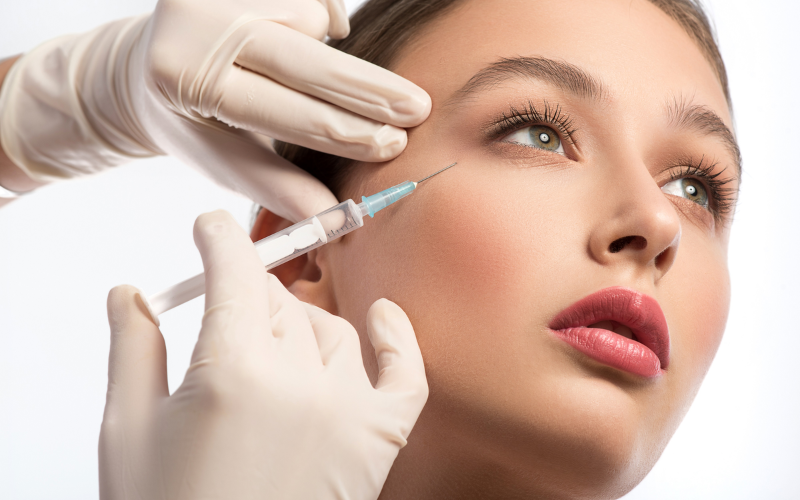
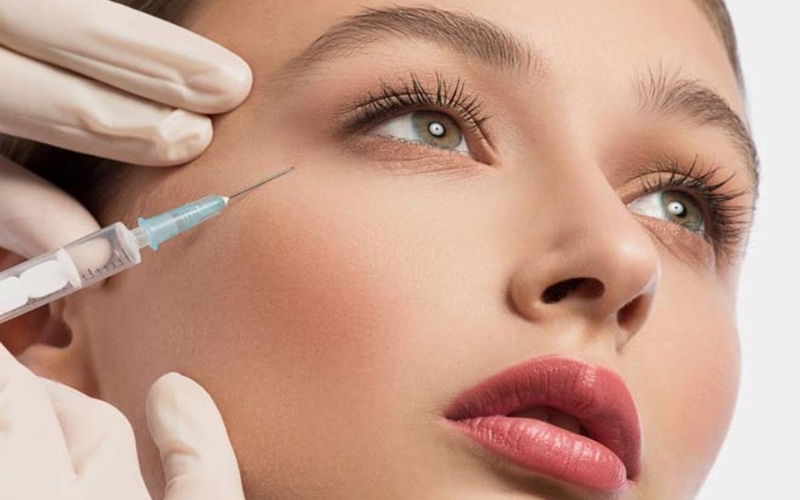
Botox is a neurotoxin that temporarily paralyzes the muscles into which it is injected. In the case of bruxism, Botox is injected into the masseter muscle (the muscle responsible for jaw movement) to reduce muscle activity. This can help alleviate the strain on the jaw and lessen the symptoms associated with teeth grinding.
Benefits of Using Botox for Bruxism
- Reduced Muscle Activity
- Muscle Relaxation: Botox injections help relax the jaw muscles, decreasing the frequency and intensity of teeth grinding.
- Pain Relief: Patients often experience a significant reduction in jaw pain and headaches following treatment.
- Muscle Relaxation: Botox injections help relax the jaw muscles, decreasing the frequency and intensity of teeth grinding.
- Non-Invasive Option
- Quick Procedure: The injection process is relatively quick, usually taking less than 30 minutes.
- Minimal Downtime: Most patients can return to their daily activities immediately after the procedure.
- Quick Procedure: The injection process is relatively quick, usually taking less than 30 minutes.
- Long-Lasting Effects
- Sustained Relief: The effects of Botox typically last for 3 to 6 months, allowing patients to enjoy extended relief from bruxism symptoms.
- Sustained Relief: The effects of Botox typically last for 3 to 6 months, allowing patients to enjoy extended relief from bruxism symptoms.
- Improved Quality of Life
- Enhanced Sleep: With reduced grinding, many patients report improved sleep quality and less daytime fatigue.
- Overall Well-Being: Alleviating bruxism symptoms can lead to a better quality of life, reducing stress and discomfort.
- Enhanced Sleep: With reduced grinding, many patients report improved sleep quality and less daytime fatigue.
What To Expect During & After The Botox Treatment?
Consultation
Before undergoing Botox treatment for bruxism, patients will have a consultation with our qualified dentist or medical professional. During this appointment, the provider will:
- Evaluate Symptoms: Discuss the patient’s bruxism symptoms and medical history.
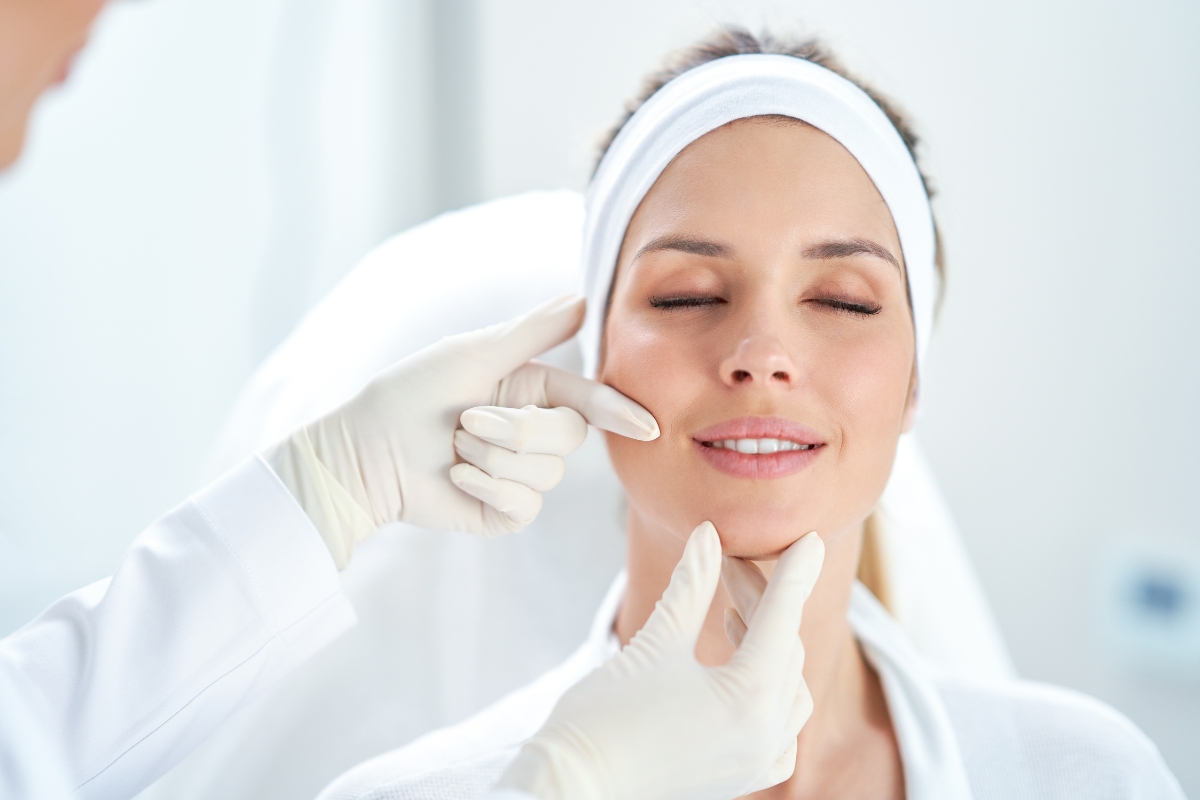
- Perform an Examination: Assess the jaw muscles and teeth for any signs of damage.
- Discuss Treatment Options: Explain the benefits and potential risks of Botox treatment.
The Injection Process
- Preparation: The treatment area will be cleaned, and a topical anesthetic may be applied to minimize discomfort.
- Injection: The provider will inject Botox into specific areas of the masseter muscle. The number of injections will depend on the severity of the bruxism.
- Post-Procedure Care: Patients will receive aftercare instructions, which may include avoiding strenuous activities for a short period.
After The Treatment
- Immediate Results: Some patients notice improvement within a few days, while others may take longer to experience full effects.
- Possible Side Effects: Side effects are generally mild and can include temporary swelling or bruising at the injection site, dry mouth, or difficulty chewing.
Are There Any Risks?
While Botox is considered safe for treating bruxism, some potential risks and side effects include:
- Allergic Reactions: Although rare, some individuals may experience allergic reactions to the injection.
- Temporary Weakness: In some cases, patients may experience temporary weakness in the jaw muscles.
Are You A Good Candidate for Botox?
Botox treatment for bruxism may be suitable for individuals who:
- Experience chronic teeth grinding or jaw pain not resolved through other treatments.
- Are looking for a non-invasive alternative to dental appliances like nightguards.
- Have a medical history that allows for safe administration of Botox.
Consult Your Dentist
Before pursuing Botox as a treatment option, it’s essential to visit our dentist or healthcare provider who has experience in this area. They can assess your condition and determine whether Botox is the right option for you.
A Trusted Solution for Bruxism
Botox offers a novel and effective approach to managing bruxism, providing relief from the symptoms of teeth grinding and enhancing the quality of life for many patients. With its ability to relax the jaw muscles and reduce pain, Botox can be an excellent option for those struggling with bruxism, mainly when traditional treatments have fallen short.
If you’re considering Botox for bruxism, consult with our qualified dentist to explore this treatment’s potential benefits and risks. Don’t let teeth grinding control your life; explore the possibilities Botox can offer!