
Did you know that over 95% of dental implants are successful? Despite this impressive statistic, many people are still hesitant about getting dental implants. Misconceptions and myths often deter individuals from considering this effective dental solution.
The purpose of this blog is to dispel these misconceptions and offer factual dental implant information. By clearing up these misunderstandings, you can make informed decisions about your dental health.
What are Dental Implants?
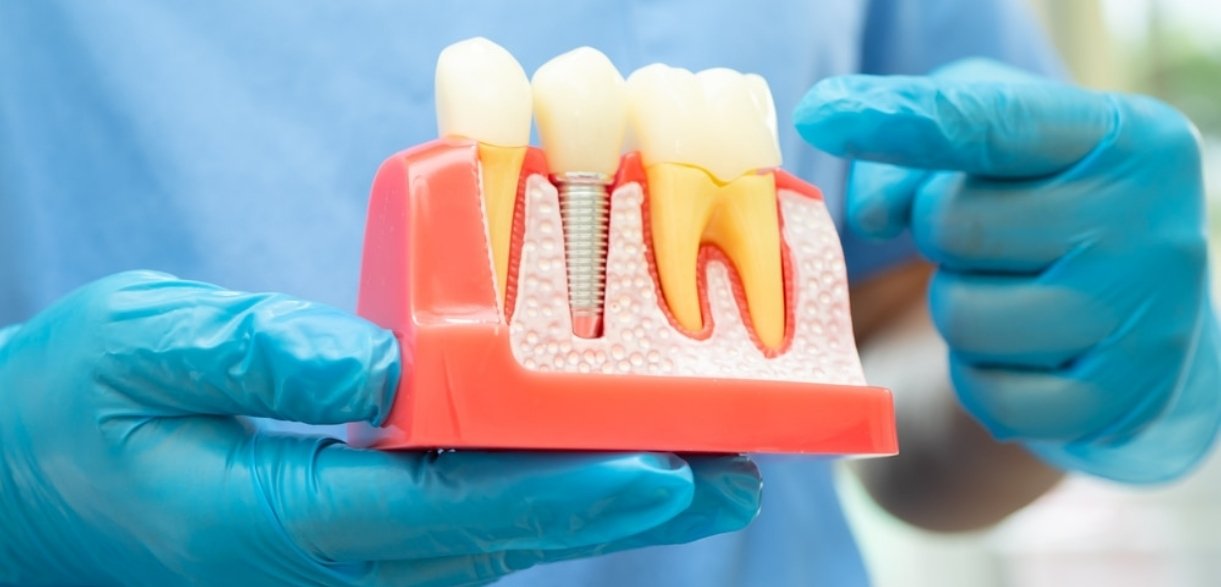
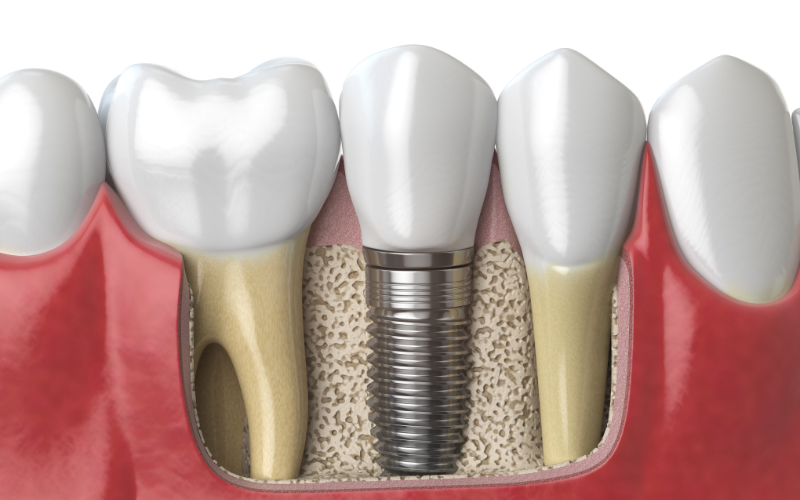
Dental implants are titanium prosthetic tooth roots that provide as a stable foundation for either permanent or removable replacement teeth. They consist of three main parts: the post, the abutment, and the crown.
The post is a tiny, screw-like instrument that is placed inside the mandible. It eventually integrates with the bone through a process known as osseointegration. The abutment is then placed on the post to hold the crown. The crown, the visible part of the tooth, is custom-made to match your natural teeth.
Teeth that are lost are replaced with dental implants. They can support single crowns, bridges, and even full dentures. Dental implants provide a sturdy foundation for these replacements, offering durability and a natural look and feel. Dental implants provide greater comfort when eating and speaking than dentures since they do not slip or move in your mouth.
Anyone who is missing teeth and has sufficient bone to support the implant can benefit from dental implants. They are an excellent option for those seeking a long-term solution that closely mimics the function and appearance of natural teeth.
Common Myths and Misconceptions
3.1. Myth 1: Dental Implants are Painful
Myth Explanation: Many believe that getting dental implants is an excruciatingly painful procedure.
Fact: With modern dental techniques, anesthesia, and sedation, the implant procedure is generally painless. Most patients report that the discomfort is comparable to a tooth extraction. Prescription medicines can help control post-operative discomfort, which typically goes away in a few days.
3.2. Myth 2: Dental Implants are Noticeable and Look Fake
Myth Explanation: Some people think that dental implants look unnatural and are easily noticeable.
Fact: Dental technology has advanced significantly, making implants indistinguishable from natural teeth. Skilled dentists design crowns to match the color, shape, and size of your existing teeth. This ensures that your implants blend seamlessly with your smile.
3.3. Myth 3: Dental Implants Require Special Care
Myth Explanation: There is a belief that implants need more maintenance than natural teeth.
Fact: Dental implants need to be maintained in the same way as real teeth. Regular brushing, flossing, and dental check-ups are essential. Unlike dentures, implants do not need special cleaning solutions or adhesives. Proper oral hygiene helps maintain the longevity of implants.
Comparison: Just like natural teeth, implants should be cleaned twice a day and checked regularly by your dentist. This routine care ensures both your implants and natural teeth stay healthy.
3.4. Myth 4: Dental Implants are Only for the Elderly
Myth Explanation: A common misconception is that implants are suitable only for older adults.
Fact: Dental implants are appropriate for adults of all ages. As long as an individual has fully developed jawbones and good oral health, they can consider dental implants. Many younger adults opt for implants to replace lost teeth due to accidents or congenital conditions.
3.5. Myth 5: Dental Implants are Too Expensive
Myth Explanation: Many people believe that dental implants are unaffordable.
Fact: Dental implants have a longer lifespan than other options, despite their sometimes greater initial cost. Implants are durable and often last a lifetime with proper care, unlike dentures and bridges, which may need to be replaced every few years. When considering the longevity and benefits of implants, they are often a cost-effective solution.
Financial Options: Many dental offices offer financing plans to make implants more affordable. Furthermore, a portion of the implant cost may be covered by certain insurance policies. Finding a plan that works within your budget requires talking through these alternatives with your dentist.
Why It is Important to Dispel These Myths?
Health Impact
Myths about dental implants can lead to poor oral health decisions. Believing that implants are painful or require special care might prevent individuals from considering them. As a result, longer-term usage of ineffective treatments, such as dentures, may occur, potentially contributing to bone loss and other problems with oral health.
Quality of Life
Making informed decisions about implants surgery can significantly improve your quality of life. With the natural appearance and feel of implants, you can confidently speak, eat, and smile. Dispelling myths helps individuals understand the benefits of implants, leading to better dental health and overall well-being.
Professional Guidance
When considering dental implants, it’s vital to seek guidance from qualified dental professionals. Dentists can offer accurate information, address your concerns, and dispel common myths surrounding the procedure. By relying on expert advice, you can make informed decisions based on facts rather than misconceptions.
In conclusion, dental implants provide a dependable and effective solution for replacing missing teeth. Understanding the benefits and realities of dental implants, free from myths, helps you make informed decisions. It’s advisable to conduct additional research and consult with your dentist to determine if dental replacement are the right option for you. Your smile and dental health are valuable investments.