Dental Implants: Your Top Questions Answered by Our Team
Dental Implants are one of the most searched tooth replacement options online. Patients have real, specific questions before committing to treatment. Our dental team at Belmont Dentistry Peoria put together this deep-dive FAQ to give you honest, straightforward answers. Whether you are newly curious or actively comparing options, this guide is for you.
What Exactly Are Dental Implants?
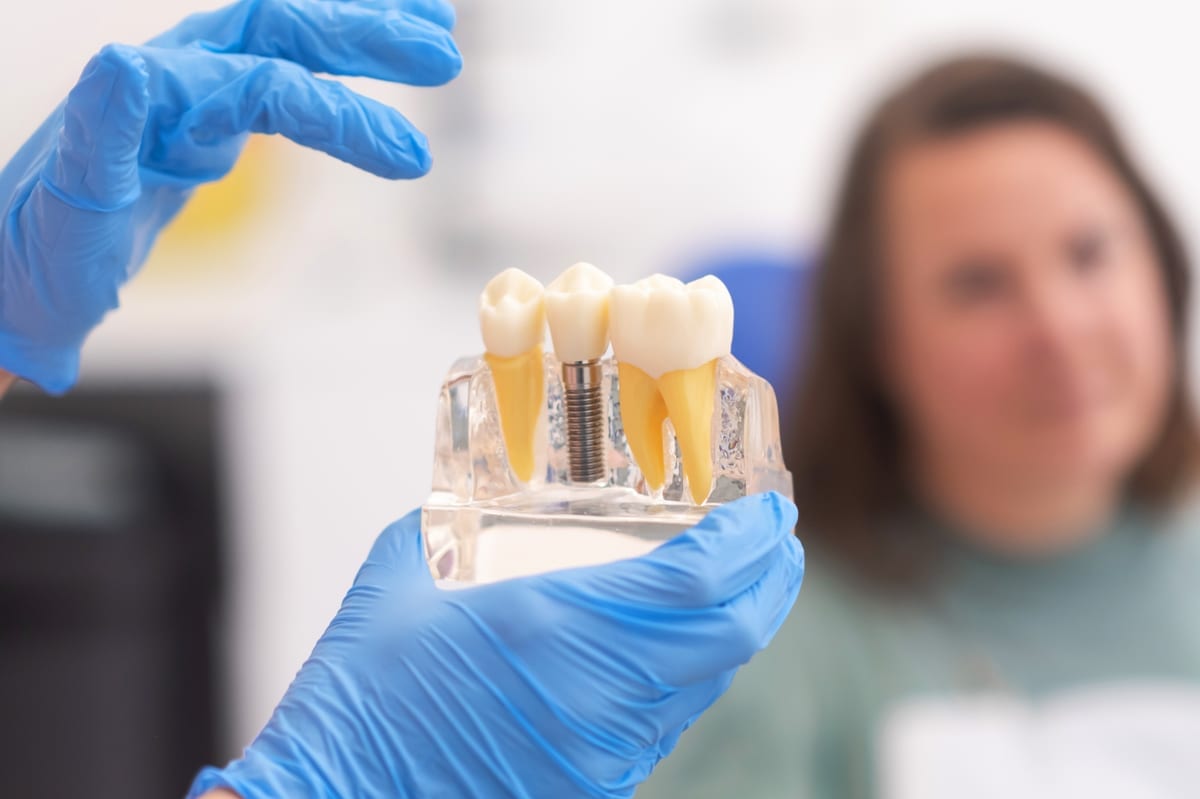
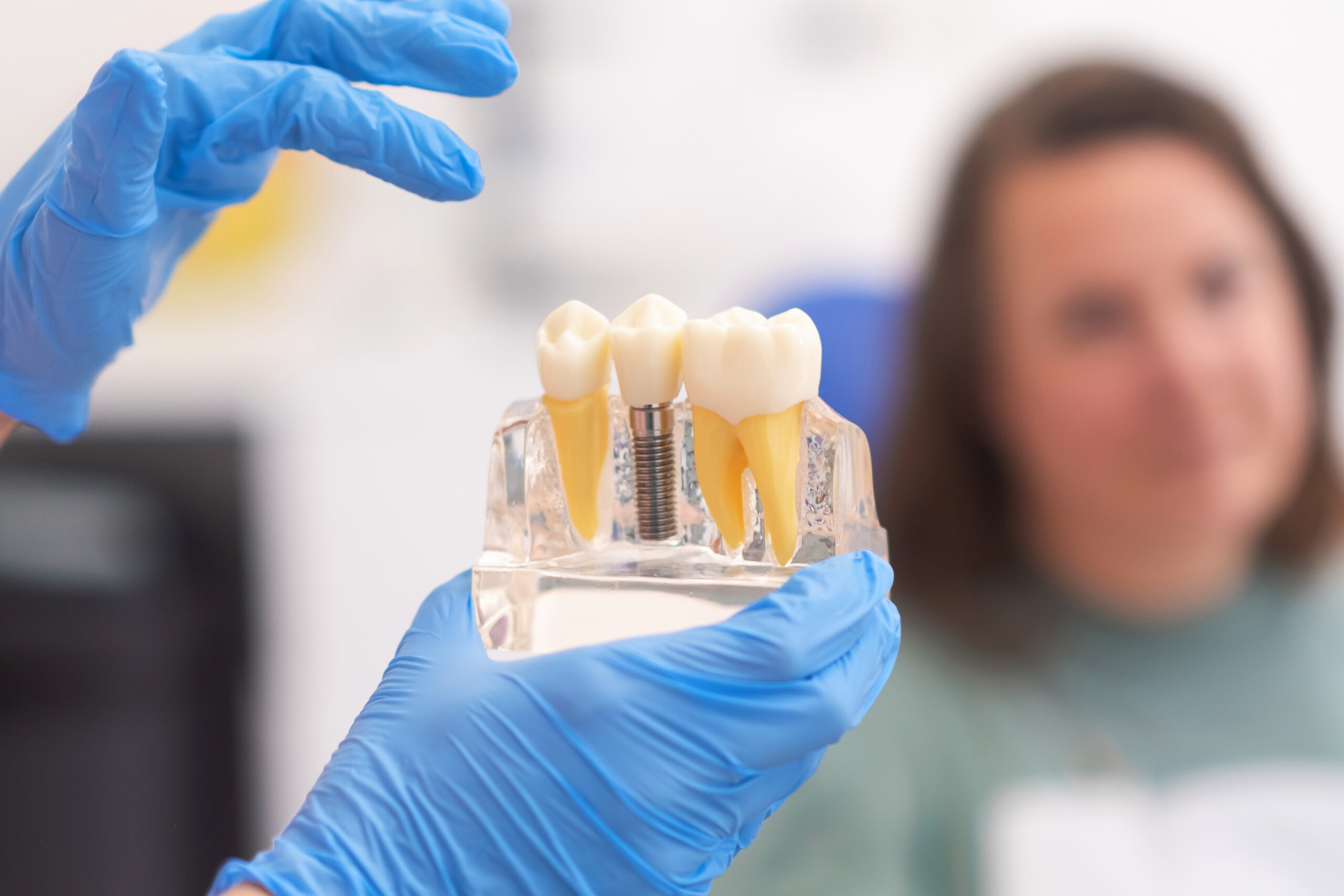
A dental implant is a small titanium post placed into the jawbone. It acts as an artificial tooth root. Over time, the bone fuses with the post in a process called osseointegration. This creates a stable, permanent foundation for a crown, bridge, or denture.
Implants are different from dentures or bridges because they replace the root itself. This helps preserve jawbone density. It also means the replacement tooth feels and functions like a natural one. Many patients say they forget the implant is even there.
Am I a Good Candidate for Dental Implants?
Most healthy adults are candidates for dental implants. You need enough jawbone density to support the titanium post. Your gums must be healthy and free of active gum disease. Our dental team evaluates each patient individually before recommending treatment.
Certain conditions can affect eligibility. These include uncontrolled diabetes, heavy smoking, or bone loss from long-term tooth absence. In some cases, a bone graft can build up the jawbone first. A thorough consultation helps determine the best path forward for your unique situation.
- Adequate jawbone density is essential
- Healthy gums free of active disease
- Non-smokers or those willing to quit have better outcomes
- Overall good general health improves healing
- Commitment to good oral hygiene is required
Will the Dental Implant Procedure Hurt?
This is the question our team hears most often. The procedure itself is performed under local anesthesia. Most patients feel pressure but not sharp pain during placement. Many describe the experience as less uncomfortable than a tooth extraction.
After the anesthesia wears off, some soreness is normal. Over-the-counter pain relievers usually manage discomfort well. Swelling and mild bruising may appear for a few days. These effects typically peak around day two and then improve steadily.
How Long Does the Dental Implant Process Actually Take?
The full process takes several months from start to finish. This timeline allows the implant to fuse properly with your jawbone. Rushing the healing phase can compromise the long-term result. Patience here is genuinely worth it.
Here is a general breakdown of what to expect:
- Initial consultation and imaging — one to two visits
- Implant placement surgery — single appointment
- Osseointegration healing period — three to six months
- Abutment placement — one short visit
- Final crown or restoration fitting — one to two visits
Some patients qualify for same-day or immediate-load implants. This depends on bone quality and overall oral health. Our dental team will tell you honestly whether you are a candidate for an accelerated timeline.
Can I Drive Home After the Implant Surgery?
If you choose local anesthesia only, you can typically drive yourself home. Local anesthesia numbs the area but does not impair your alertness. However, if you opt for sedation, you will need a driver. Plan for someone to take you home and stay with you that day.
Most patients return to desk work or light activity within a day or two. Avoid strenuous exercise for at least a week. Eating soft foods for the first few days helps protect the surgical site. Think soups, smoothies, yogurt, and mashed potatoes during early recovery.
How Do I Care for My Implant at Home?
Caring for dental implants is refreshingly straightforward. Brush twice daily with a soft-bristled toothbrush. Floss around the implant just as you would a natural tooth. Routine dental checkups at Belmont Dentistry Peoria keep the implant and surrounding tissue healthy.
Avoid habits that can stress the implant. These include chewing ice, biting hard objects, or grinding your teeth. If you grind at night, ask our team about a custom nightguard. Protecting your investment helps implants last for decades.
- Brush gently twice daily around the implant
- Floss daily using implant-friendly floss or a water flosser
- Attend scheduled checkups and professional cleanings
- Wear a nightguard if you grind your teeth
- Avoid biting hard objects like ice or pen caps
How Long Do Dental Implants Last?
With proper care, dental implants can last a lifetime. The titanium post itself rarely fails when placed in healthy bone. The crown attached on top may need replacement after ten to fifteen years. This depends on wear and how well you maintain oral hygiene.
Implants have a very high long-term success rate. Studies consistently show success rates above ninety-five percent over ten years. Lifestyle factors like smoking and poor oral hygiene lower that rate. Taking care of your overall health directly protects your implant investment.
Is There a Good Time of Year to Get Dental Implants?
Dental implants can be placed any time of year. That said, late spring is a popular time for patients to start. Many people schedule treatment before summer events or family gatherings. The temperate weather also makes recovery more comfortable compared to extreme heat or cold.
At Belmont Dentistry Peoria, May brings a surge in appointment requests. Parents book consultations while school schedules allow. Graduation season means many young adults are ready for confidence-boosting smile improvements. Starting now means your smile is fully restored before major summer milestones.
If you have been putting off the decision, this is a natural time to act. Our dental team is ready to help you understand your options. Visit our about page to learn more about the experience behind our care. We make the process approachable from the very first visit.
How Do Dental Implants Compare to Other Tooth Replacement Options?
Dental implants stand apart from dentures and bridges in several ways. Bridges require shaving down healthy adjacent teeth. Removable dentures can slip and require adhesives. Implants preserve surrounding teeth and stay firmly in place.
From a bone health standpoint, implants are uniquely beneficial. They stimulate the jawbone just like natural tooth roots. Without that stimulation, the bone gradually shrinks over time. This bone loss can change your facial structure and affect neighboring teeth.
Curious about our full range of smile solutions? Explore our services page to see how dental implants fit alongside options like porcelain veneers or Invisalign. Our team takes a whole-smile approach to every patient plan.
How Do I Get Started at Belmont Dentistry Peoria?
Getting started is simple. Contact our office to schedule a consultation with our dental team. We will take digital X-rays and review your medical history. From there, we build a personalized treatment plan just for you.
There is no pressure and no rush. Our goal is to make sure you fully understand your options. We answer every question honestly and thoroughly. You deserve to feel confident before agreeing to any treatment step.
Spring is a great time to invest in your oral health. Many patients start their implant journey in May and celebrate their new smiles by summer’s end. Our dental team at Belmont Dentistry Peoria is here to guide you every step of the way. Learn More about how we can help you.
Frequently Asked Questions
Are dental implants considered a permanent solution?
The titanium post placed in your jawbone is designed to be permanent. With proper care and routine checkups, most implants last a lifetime. The crown on top may eventually need replacement due to normal wear, but the implant itself rarely requires removal.
Does getting a dental implant require multiple visits?
Yes, the process typically involves several visits spread over a few months. This includes your consultation, the implant placement, a healing period, and the final crown fitting. The multiple-visit approach ensures the implant integrates properly with your jawbone for long-term stability.
What happens if I do not replace a missing tooth?
Leaving a gap in your smile can lead to bone loss in the jaw over time. Neighboring teeth may begin to shift toward the empty space. This can affect your bite, your facial appearance, and your overall oral health. Replacing a missing tooth promptly helps prevent these complications.
Can dental implants be done for multiple missing teeth?
Absolutely. Implants can support single crowns, implant-supported bridges, or full-arch restorations. The right solution depends on how many teeth are missing and your overall bone health. Our dental team will recommend the most effective and efficient option for your situation.
How soon can I eat normally after getting a dental implant?
Most patients eat soft foods for the first one to two weeks after implant placement. As healing progresses, you can gradually reintroduce firmer foods. Once your final crown is placed and fully healed, you can eat most foods without restriction. Our team will give you specific dietary guidance based on your recovery progress.