
Understanding why your teeth change after 60 (and what you can do) Peoria seniors face these changes every day. Aging brings wisdom, experience, and yes — some real dental challenges. Your mouth at 60 is very different from your mouth at 30. The good news is that modern dentistry offers solutions for every stage of life.
At Belmont Dentistry Peoria, Dr. Puneet Sandhu works with older adults throughout Peoria, AZ. He understands that senior dental care requires a thoughtful, personalized approach. This article walks you through the most common changes that happen after 60 and what you can do about them.
Why Dry Mouth Becomes a Major Problem After 60
Dry mouth is one of the most overlooked dental issues among seniors. Many older adults take multiple medications for conditions like high blood pressure, diabetes, or depression. A large number of these medications list dry mouth as a side effect. Without enough saliva, your teeth become vulnerable to rapid decay.
Saliva does more than keep your mouth comfortable. It neutralizes acids and washes away food particles. It also delivers minerals that protect your enamel. When saliva production drops, bacteria thrive and cavities develop much faster.
Here are simple ways to manage dry mouth daily:
- Sip water frequently throughout the day
- Chew sugar-free gum to stimulate saliva flow
- Use a humidifier at night while sleeping
- Avoid caffeine and alcohol, which worsen dryness
- Ask Dr. Sandhu about prescription-strength fluoride treatments
If dry mouth is affecting your dental health, bring a list of your current medications to your next appointment. Dr. Sandhu can recommend targeted treatments and adjust your preventive care plan accordingly.
Gum Recession and Root Decay in Peoria Seniors
Gum recession is another common change after age 60. Over decades, gums can pull back from the teeth. This exposes the root surfaces, which are softer and less protected than enamel. Root decay can develop quickly in these exposed areas.
Unlike the crown of your tooth, roots do not have a hard enamel coating. They are covered by a softer material called cementum. This makes them far more susceptible to cavities. Many seniors are surprised to develop cavities for the first time in decades — often on root surfaces.
Early warning signs of gum recession include:
- Teeth that look longer than they used to
- Sensitivity to hot, cold, or sweet foods
- A notch you can feel near the gum line
- Gum tissue that appears uneven or pulled back
Regular teeth cleanings are essential for catching these issues early. Professional cleanings remove hardened tartar that brushing cannot reach. Dr. Sandhu may also recommend more frequent visits — every three to four months — to stay ahead of root decay.
Tooth Loss, Dentures, and Why Your Choices Matter
Tooth loss becomes more common as we age. Years of wear, old fillings, and gum disease all take a toll. Many seniors in Peoria are living with partial or full dentures. Dentures restore function and appearance, but they do come with limitations.
Traditional dentures rest on the gums and do not replace the tooth root. Over time, this leads to bone loss in the jaw. The bone literally shrinks when it no longer has a root to support. This can change the shape of your face and make dentures fit poorly over the years.
Ill-fitting dentures can cause sore spots, difficulty eating, and reduced confidence. Many people avoid certain foods altogether. This can actually affect nutrition and overall health. It is important to have dentures adjusted regularly as your jaw shape changes.
If you are currently wearing dentures, schedule a fit check with Dr. Sandhu. Proper fit prevents sore spots and makes eating much more comfortable. Small adjustments can make a big difference in your daily quality of life.
Dental Implants After 60 — Are You a Candidate in Peoria?
Many seniors assume they are too old for dental implants. That is simply not true. Age alone does not disqualify someone from receiving implants. What matters most is the health of your jawbone and overall medical health.
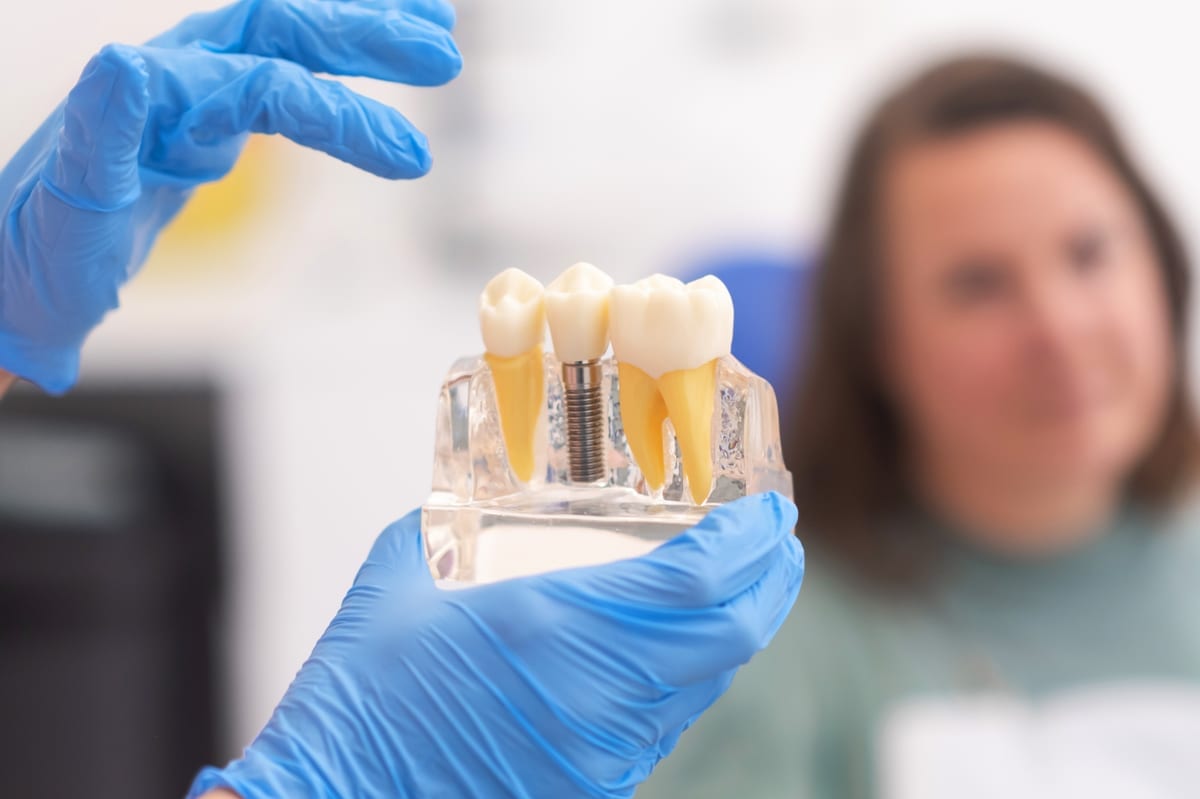
Dental implants replace both the missing tooth and its root. This is a critical advantage. The implant stimulates the jawbone, preventing the bone loss that occurs with dentures. Implants look, feel, and function like natural teeth. They do not slip, require adhesives, or need to be removed at night.
Good candidates for implants after 60 typically have:
- Sufficient bone density in the jaw to support the implant
- Healthy gum tissue without active periodontal disease
- No uncontrolled systemic conditions that impair healing
- A commitment to regular dental check-ups and oral hygiene
Bone grafting is available for patients who have experienced bone loss. This procedure can restore enough volume to support an implant. Dr. Sandhu evaluates each patient individually to determine the best path forward.
How Cosmetic Dentistry Can Restore Confidence After 60
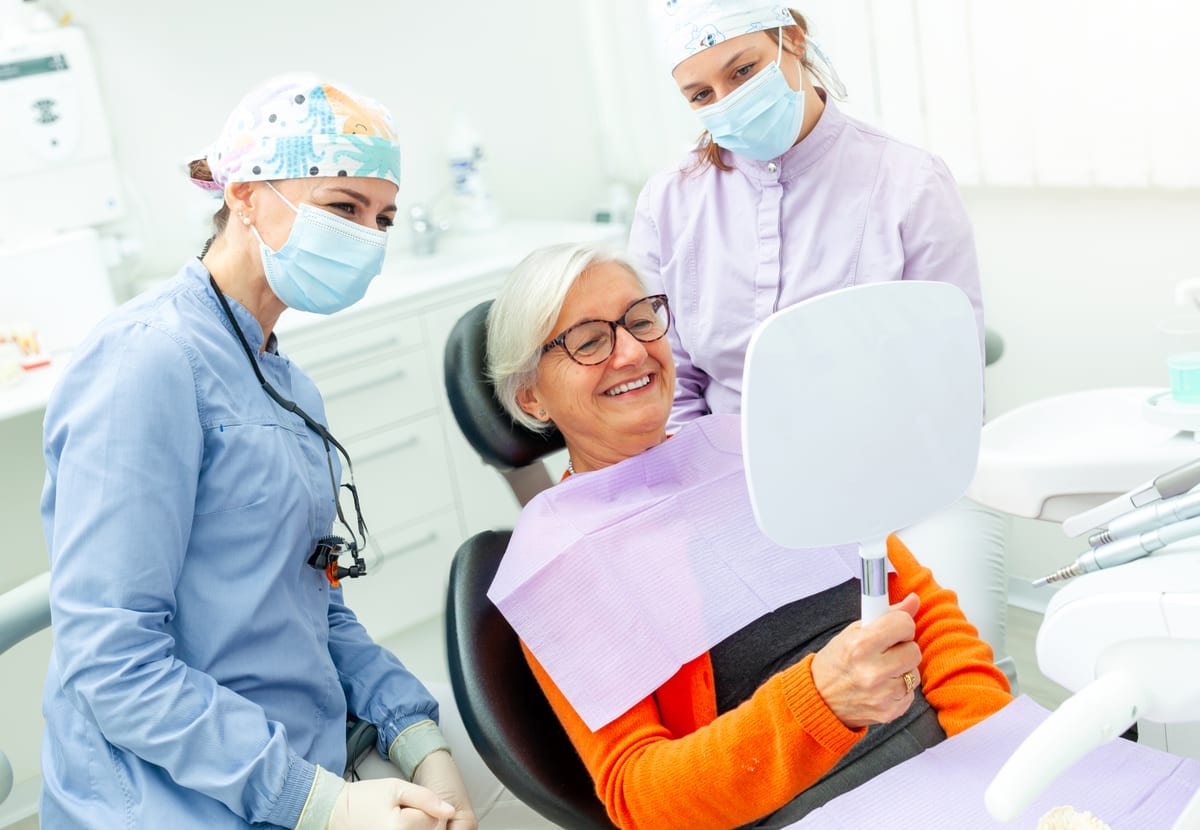
Aging affects more than dental health — it affects how your smile looks. Teeth naturally darken and wear down over time. Chips, cracks, and staining become more visible. Many seniors feel self-conscious about smiling in photos or speaking in public.
Cosmetic Dentistry offers practical, effective solutions for aging smiles. Veneers can cover chips, cracks, and deep staining in just two visits. Teeth whitening treatments brighten a dull smile quickly and safely. These treatments are not just for younger patients — seniors deserve to feel confident too.
For patients exploring options in nearby areas, Cosmetic Dentistry is also available at our Scottsdale location. Dr. Sandhu takes an educational approach to cosmetic care. He helps patients understand all their options before making any decisions. There is no pressure — just honest guidance tailored to your goals.
A beautiful, functional smile supports your overall well-being. Feeling good about your teeth encourages better oral hygiene habits. It also boosts confidence in social settings, which matters deeply as we age.
Practical Tips for Senior Dental Health in Peoria, AZ
Prevention is always easier than treatment. A few consistent habits make an enormous difference in your long-term dental health. Even small changes in your daily routine can protect your teeth for years to come.
- Brush twice daily with a soft-bristled toothbrush and fluoride toothpaste
- Floss at least once per day to remove plaque between teeth
- Stay hydrated to combat dry mouth caused by medications
- Visit Dr. Sandhu at least twice per year for professional cleanings
- Eat a balanced diet rich in calcium and vitamin D for strong teeth and bones
Electric toothbrushes can be especially helpful for seniors with arthritis or limited dexterity. They require less wrist movement and often clean more effectively. Ask our team for recommendations at your next visit.
Frequently Asked Questions
Why do teeth become more sensitive after age 60?
Sensitivity increases as gum tissue recedes and exposes the softer root surfaces. Enamel also thins slightly over time. Medications that cause dry mouth reduce the protective buffering effect of saliva. Desensitizing toothpaste and fluoride treatments can provide meaningful relief.
Can seniors get dental implants if they have bone loss?
Yes, in many cases bone grafting can restore enough jaw volume to support an implant. Dr. Sandhu evaluates bone density and overall health before recommending implants. Age is not a barrier — overall health and bone quality are the key factors in candidacy.
How often should seniors visit the dentist?
Most dentists recommend visits every six months. However, seniors with dry mouth, active gum disease, or a history of root decay may benefit from visits every three to four months. Dr. Sandhu creates a personalized schedule based on each patient’s individual needs.
Are veneers a good option for older adults?
Veneers can be an excellent choice for seniors who want to address chips, cracks, or deep staining. They require minimal tooth preparation and deliver dramatic results. Dr. Sandhu evaluates your gum health and bite before recommending veneers to ensure they are a safe long-term solution.
What can I do about dry mouth caused by my medications?
Start by speaking with both your physician and Dr. Sandhu. Hydration, sugar-free gum, and saliva substitutes all help. Prescription fluoride treatments can protect teeth when saliva production is low. Never stop a medication without consulting your doctor first.
Your smile deserves expert care at every stage of life. Dr. Puneet Sandhu and the team at Belmont Dentistry Peoria are here to help Peoria seniors navigate these changes with confidence and compassion. Book Now to schedule your appointment with our team.